If you train CrossFit or follow a functional fitness program, you already know the drill: your gym bag needs to carry a lot more than just a change of clothes and a water bottle. Between competition shoes, a leather lifting belt, wrist wraps, knee sleeves, a jump rope, a lacrosse ball or foam roller, gymnastics grips, chalk, and a towel, your gear list grows fast. A standard backpack simply will not cut it.
Finding the best crossfit backpacks means looking for features that most everyday backpacks lack entirely: reinforced bottoms to handle the weight of a competition belt and plates, ventilated compartments so sweaty shoes and clothes do not stink up your gear, wide-mouth openings that let you see and reach everything without digging, and construction materials rated at 600D nylon or higher to survive years of tossing into racks, pulling across gym floors, and stuffing into overhead compartments on the way to competitions.
In this guide, we break down eight top backpack picks across different price points and use cases, compare their specs side by side, and walk you through exactly what to look for when choosing a CrossFit-specific backpack. Whether you are a daily box goer or a competitive athlete heading to the Games, there is a pack on this list built for your needs.
Table of Contents
What Makes CrossFit Gear Different from Regular Gym Gear
CrossFit athletes carry a fundamentally different loadout compared to someone who does a standard weightlifting routine or goes to a commercial gym for a treadmill session and a few machines. The unique demands of functional fitness training mean your backpack needs to handle items that simply do not exist in most people's gym routines.
Consider the typical CrossFit kit. You have at least two pairs of shoes: running shoes for metcons and dedicated lifting shoes with elevated heels for heavy squats and Olympic lifts. You might have a leather or nylon lifting belt that is stiff and takes up considerable space. Wrist wraps, knee sleeves, elbow sleeves, and gymnastics grips add bulk. A jump rope needs its own space or it will tangle with everything. A lacrosse ball or foam roller is essential for recovery. Add chalk (or liquid chalk to avoid mess), a towel, a full change of clothes, post-workout snacks, and a large water bottle, and you are looking at a load that demands purposeful organization.
The environments where you use the backpack also differ. CrossFit boxes tend to have concrete floors, rubber matting, and outdoor areas. Your bag gets set down on rough surfaces, dragged along outdoor walls during partner WODs, and sometimes tossed in the back of a truck on the way to a competition. This is why construction quality and abrasion resistance matter far more than they would for a commuter backpack.
How We Chose These Backpacks
Our selection criteria focused on five key factors that separate a good CrossFit backpack from an average one:
- Durability: Minimum 600D nylon or polyester construction with reinforced stitching at stress points. Zippers must be YKK or equivalent quality.
- Capacity: At least 30 liters of usable space, with 35-45 liters being ideal for competitive athletes who carry extra gear.
- Organization: Dedicated shoe compartments, ventilated pockets for wet or smelly items, internal dividers, and external attachment points.
- Comfort: Padded shoulder straps, sternum strap, and ideally a padded back panel or hip belt for heavier loads.
- Value: We include options across a range of price points, from budget-friendly daily trainers to premium competition bags.
8 Best Backpacks for CrossFit and Functional Fitness
1. Rogue 10L Training Pack 2.0
10L 1000D Cordura Shoe Strap $85
The Rogue Training Pack 2.0 is purpose-built for functional fitness athletes. Made from 1000D Cordura nylon, this pack is virtually indestructible and designed to handle the abuse of daily box life. While the 10-liter capacity is on the smaller side, Rogue intentionally designed this as a minimal gym pack that carries shoes, clothes, a belt, and small accessories without the excess bulk. The external shoe straps are a standout feature, letting you strap your lifting shoes or a small foam roller to the outside. Internal organization includes a padded laptop sleeve (useful if you are heading to the box from the office) and multiple mesh pockets for small items like grips, chalk, and wraps.
2. 5.11 Tactical Rush24 2.0
37L 1050D Nylon MOLLE System $140
The 5.11 Tactical Rush24 is a crossover hit in the CrossFit community. Originally designed for tactical and military use, this backpack offers the ruggedness and organizational capacity that functional fitness athletes demand. The 1050D nylon shell is among the most durable on this list, and the MOLLE webbing system allows you to customize the exterior with additional pouches for water bottles, chalk bags, or recovery tools. The main compartment opens flat like a suitcase, giving you wide-mouth access to all your gear. Inside, you will find a padded laptop/tablet sleeve, internal organization panels, and a hydration bladder sleeve that doubles as a slim compartment for a lifting belt.
3. Under Armour Hustle 6.0
33L UA Storm Technology Ventilated Pocket $65
The Under Armour Hustle 6.0 has become one of the most popular gym backpacks across all training disciplines, and for good reason. At 33 liters, it hits the sweet spot for most CrossFit athletes: enough room for shoes, clothes, belt, wraps, a small foam roller, and daily essentials without being oversized. UA Storm technology provides water resistance to keep your gear dry on rainy commutes. The standout feature is the separate ventilated shoe compartment at the bottom that keeps your lifting shoes isolated from clean items. A fleece-lined top pocket protects sunglasses or a phone, while the main compartment easily accommodates a full change of clothes and a medium-sized towel.
4. Nike Brasilia 9.5 Training Backpack
25L 600D Polyester Shoe Compartment $50
Nike's Brasilia line has been a gym staple for years, and the 9.5 Training Backpack continues the tradition with subtle improvements. The 600D polyester construction is solid for the price point, and the dedicated shoe compartment on the bottom keeps your training shoes separated from the rest of your gear. The main compartment is straightforward and spacious, with a simple internal mesh zip pocket for smaller items. Where the Brasilia shines is its streamlined profile: at 25 liters, it is compact enough to use as a daily bag but large enough for a focused gym session. The padded shoulder straps are comfortable even when the bag is fully loaded with heavy lifting shoes and a belt.
5. HYCOPROT Large Gym Backpack 45L
45L 600D Oxford Wet Pocket $40
For athletes on a budget who need maximum capacity, the HYCOPROT Large Gym Backpack is a strong contender. At 45 liters, this is the largest bag on our list and can easily fit a complete CrossFit kit including shoes, belt, wraps, knee sleeves, a full-size foam roller, towel, clothes, and a half-gallon water bottle. The 600D Oxford nylon exterior holds up well against daily gym abuse, and the separate wet pocket at the bottom is perfect for storing sweaty clothes or a damp towel after a grueling WOD. The bag opens in a clamshell design for easy packing and access, and the multiple internal mesh pockets keep small accessories organized.
6. Reebok CrossFit Speed TR Backpack
30L 600D Polyester Reebok CrossFit Line $55
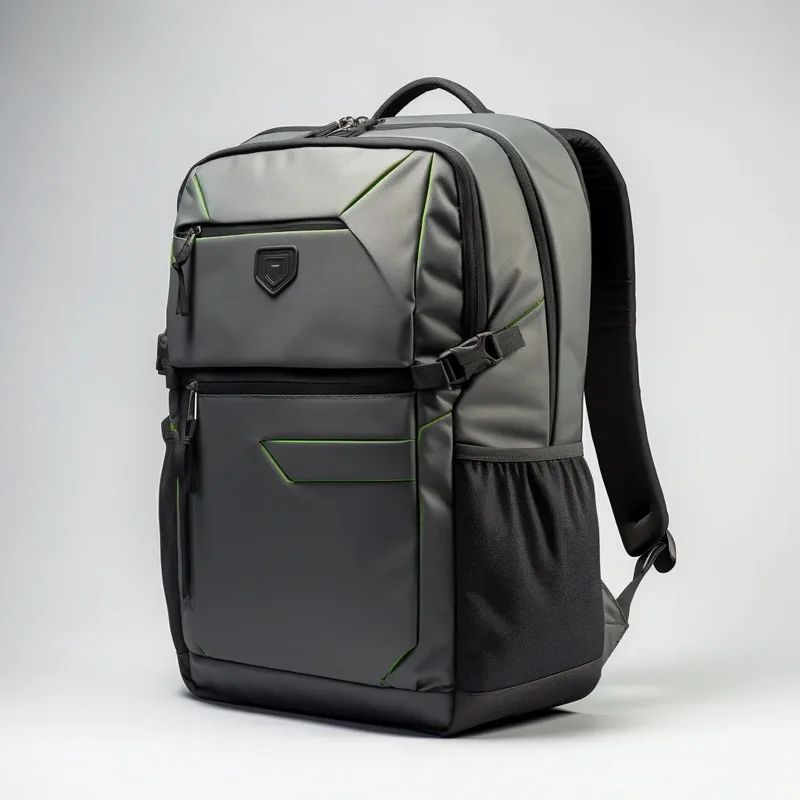
As one of the few backpacks specifically marketed under the CrossFit banner, the Reebok Speed TR backpack earns its place on this list. Designed in collaboration with the CrossFit community, this 30-liter pack hits the practical middle ground. It features a padded shoe compartment, a ventilated mesh pocket for sweaty clothes, and a main compartment large enough for a full change of gym clothes plus a belt. The Reebok CrossFit branding is subtle and clean, and the bag's structured design helps it maintain its shape even when not fully loaded. The padded back panel and contoured shoulder straps provide all-day comfort if you are carrying this bag to and from the box.
7. OS245 Athlete Backpack
35L 600D PVC Coated Shoe Compartment $75
The OS245 Athlete Backpack is a lesser-known gem in the functional fitness space, built by a brand that specializes in strength sports gear. The PVC-coated 600D exterior is water-resistant and easy to clean, which is a big plus if your bag regularly ends up on wet gym floors. A full-length shoe compartment on the bottom accommodates up to size 15 lifting shoes with room to spare. The main compartment opens wide for easy packing, and there is a dedicated insulated pocket that can hold a protein shake or keep your lunch cool until break time. Side compression straps help stabilize the load when the bag is not fully packed.
8. Goruck GR1 (26L)
26L 1000D Cordura Lifetime Guarantee $295
The Goruck GR1 is the premium pick on this list, and it earns its place through sheer build quality and thoughtful design. Made from 1000D Cordura with military-grade construction, this backpack is built to last decades, not years. Goruck backs it with a lifetime guarantee, no questions asked. While 26 liters might seem small compared to other options, the GR1's box-shaped design maximizes usable space and allows you to pack gear with military precision. The clamshell opening gives you full access to the main compartment, and the internal organization includes laptop sleeves, admin panels, and drain holes in the bottom for wet gear. The SCORPION harness system distributes weight exceptionally well, making it the most comfortable pack on this list for heavy loads.
Side-by-Side Comparison Table
| Backpack | Volume | Material | Shoe Storage | Ventilated Pocket | Price |
|---|---|---|---|---|---|
| Rogue Training Pack 2.0 | 10L | 1000D Cordura | External straps | No | $85 |
| 5.11 Rush24 2.0 | 37L | 1050D Nylon | Internal | No | $140 |
| UA Hustle 6.0 | 33L | 600D Polyester | Bottom compartment | Yes (shoe area) | $65 |
| Nike Brasilia 9.5 | 25L | 600D Polyester | Bottom compartment | No | $50 |
| HYCOPROT 45L | 45L | 600D Oxford | Internal | Yes (wet pocket) | $40 |
| Reebok CrossFit Speed TR | 30L | 600D Polyester | Padded compartment | Yes | $55 |
| OS245 Athlete | 35L | 600D PVC Coated | Full-length compartment | No | $75 |
| Goruck GR1 | 26L | 1000D Cordura | Packing cube needed | Drain holes | $295 |
Buying Guide: Choosing the Right CrossFit Backpack
Capacity: How Much Do You Actually Need?
The right capacity depends on your training habits. If you head to the box with minimal gear — just shoes, clothes, and wraps — a 20-25 liter pack like the Nike Brasilia will serve you well. Most daily CrossFit athletes benefit from the 30-37 liter range, which accommodates a full kit plus extra items. If you are a competitive athlete carrying a complete competition kit or you want a single bag for gym and travel, look at 40L+ options.
Material Durability
Denier (D) measures fabric thickness and strength. For CrossFit, aim for a minimum of 600D polyester or nylon. The Rogue Training Pack and Goruck GR1 stand out with 1000D Cordura, which is the gold standard for abrasion resistance. PVC coatings add water resistance but can make the bag stiffer. Look for reinforced stitching at stress points, especially where the shoulder straps attach to the bag body.
Shoe Storage
This is non-negotiable for most CrossFitters. You need at least one pair of dedicated training shoes in the bag, and many athletes carry a second pair of lifting shoes. External shoe straps are the most space-efficient solution but expose shoes to the elements. Bottom shoe compartments keep shoes contained but reduce flexible packing space. Internal shoe areas work but take up volume in the main compartment.
Ventilation and Moisture Management
After an intense WOD, your clothes and shoes are soaked with sweat. A backpack without ventilation will develop odors quickly and can damage gear over time. Look for bags with dedicated ventilated pockets, mesh-lined compartments, or at minimum, drain holes that allow air circulation. Some bags like the Reebok CrossFit Speed TR have mesh panels on the side for additional airflow.
Comfort Under Load
When your bag is loaded with shoes, a leather belt, and a foam roller, it can easily weigh 15-20 pounds. Padded shoulder straps are essential, and a sternum strap helps distribute weight across your chest. If you regularly carry heavy loads or commute long distances, look for bags with padded back panels or hip belts. The Goruck GR1's SCORPION harness system is the most advanced on this list for load distribution.
External Attachment Points and MOLLE Systems
Some CrossFit athletes carry gear that simply does not fit inside a backpack — large foam rollers, agility ladders, resistance bands, or even portable pull-up bars for outdoor training sessions. External attachment points solve this problem. MOLLE webbing systems, like those found on the 5.11 Tactical Rush24, allow you to clip on additional pouches and accessories using standard MOLLE-compatible gear. Bungee cord systems and compression straps are simpler solutions that let you cinch larger items to the outside of the bag.
If you know you will regularly need to carry oversized items, prioritize bags with robust external attachment options. The Rogue Training Pack 2.0 offers external shoe straps, and the 5.11 Rush24's full MOLLE grid provides nearly unlimited customization. For most athletes, however, internal capacity is the primary concern, and external attachments serve as a useful bonus rather than a critical requirement.
Warranty and Long-Term Value
When evaluating cost, consider the bag's expected lifespan and the manufacturer's warranty. A $50 bag that lasts two years and a $295 bag that lasts ten years are both reasonable investments, but they represent very different value propositions. Goruck's lifetime guarantee on the GR1 means you are essentially buying your last backpack. Rogue stands behind their products with a solid warranty against manufacturing defects. Mid-range options from Under Armour, Nike, and Reebok typically carry one to two year warranties that cover normal use defects.
For budget-conscious athletes, the HYCOPROT and Nike Brasilia offer solid performance at entry-level prices. If your current bag is failing due to zipper or stitching problems, upgrading to a mid-range option with better construction will save money over time compared to repeatedly replacing cheap bags. Calculate your cost per use: a $65 bag used daily for three years costs roughly six cents per day.
Explore More Gear Guides
Looking for the right bag for other training styles? Check out our other fitness backpack guides:
Frequently Asked Questions
What size backpack do I need for CrossFit?
Most CrossFit athletes need a 30-37 liter backpack. This accommodates training shoes, lifting shoes, a belt, wrist wraps, knee sleeves, a jump rope, towel, and a full change of clothes. If you carry additional recovery gear like a foam roller or massage gun, consider a 40L+ pack.
Do I need a special backpack for CrossFit or can I use any gym bag?
While any gym bag will technically work, CrossFit-specific backpacks offer features that make a real difference: ventilated compartments for sweaty gear, shoe storage for multiple pairs, reinforced bottoms for durability on gym floors, and water-resistant exteriors. These features justify the investment for regular practitioners.
How do I keep my CrossFit backpack from smelling?
Choose a bag with ventilated compartments or mesh pockets to allow airflow after workouts. Remove wet clothes and shoes as soon as possible after training. Occasionally wipe down the interior with an antibacterial wipe and leave the bag open to air dry. Backpacks with removable liners are easiest to keep fresh.
Can I carry a lifting belt in a backpack?
Yes, but stiff leather lever belts take up significant space. The best approach is to use a bag with a wide-mouth opening or clamshell design so the belt can be laid flat or rolled into the main compartment. Bags with 30L+ capacity handle this easily. Some athletes attach belts externally using compression straps.
What is the most durable backpack for CrossFit?
The Goruck GR1 and Rogue Training Pack 2.0, both made from 1000D Cordura nylon, are the most durable options. Goruck backs the GR1 with a lifetime guarantee, and Rogue's pack is built to withstand the daily abuse of box life. The 5.11 Rush24 at 1050D is also extremely durable at a more moderate price.
Should I get a backpack or a duffel bag for CrossFit?
Backpacks are generally better for CrossFit because they free your hands for carrying plates, bumper plates, or other bulky items, and they distribute weight evenly during commutes. Duffel bags offer easier top-loading access but can be awkward to carry on bikes or long walks. Most athletes prefer backpacks for daily use and duffels for competition travel.
Are expensive CrossFit backpacks worth the investment?
If you train four or more times per week, yes. Premium bags like the Goruck GR1 use materials that last years longer than budget options and often come with lifetime warranties. For athletes training 2-3 times per week, a mid-range option in the $50-80 range provides excellent value without the premium price tag.