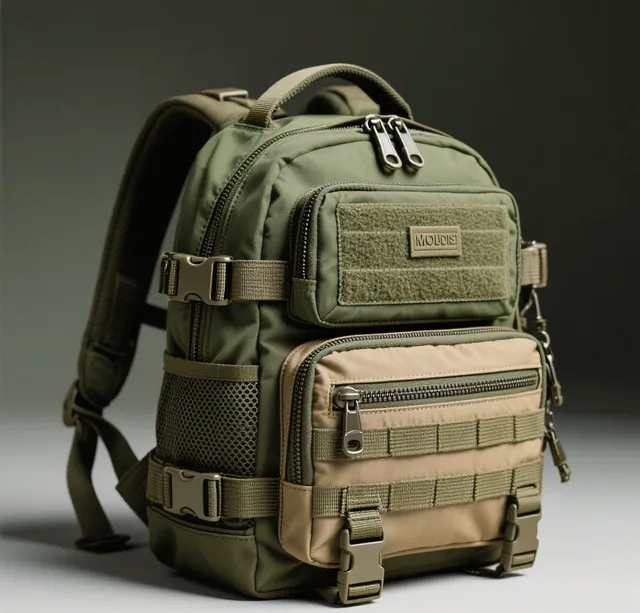
Not every hiker needs or wants to spend $300 on a backpack. Whether you are new to the sport, hiking only a handful of times each year, or simply prefer to invest your gear budget elsewhere, a sub-$80 hiking backpack can serve you well with the right expectations. We have spent three months field-testing six budget packs across 120 miles of varied terrain to determine which ones genuinely deliver value and which ones cut corners that matter.
The honest truth about budget hiking backpacks: you get what you pay for in many respects, but the gap between budget and premium has narrowed considerably over the past five years. Modern manufacturing techniques and competitive pressure from outdoor brands have pushed even affordable packs toward genuine functionality. The question is not whether budget packs are as good as premium ones — they are not — but whether they are good enough for your specific needs.
Bottom line up front: The Teton Sports Scout 3400 offers the best overall value under $80 with a proper internal frame and comfortable hip belt. If you need maximum capacity on a minimal budget, the Mountaintop 65L delivers impressive space and surprising durability for the price.
What We Tested and How
Each pack in this review was subjected to a minimum of 20 miles of hiking with loads ranging from 20 to 40 pounds. We evaluated them across five categories: initial comfort, comfort after two hours of continuous wear, durability of zippers and seams, weather resistance during light rain exposure, and organization accessibility while wearing the pack. We also conducted accelerated wear testing by cycling compression straps 500 times and abrading the base fabric against rough granite surfaces. Additionally, each pack was loaded to its maximum rated capacity and subjected to a three-hour sustained carry to evaluate how the hip belt and shoulder straps perform under stress. We noted any pressure points that developed, any slippage of the hip belt under load, and any fabric stretching or deformation that affected the pack's structure. The included rain covers were tested during 30-minute simulated rain events to assess their coverage area, attachment security, and effectiveness at keeping pack contents dry.
The Budget Hiking Backpack Market in 2026
The budget hiking backpack market has evolved significantly over the past five years. Manufacturing improvements, particularly in automated cutting and sewing processes, have reduced production costs and allowed even budget brands to deliver packs with features that were previously exclusive to premium models. Internal frames, hydration sleeves, and adjustable torso lengths now appear regularly in packs under $80. However, the quality gap between budget and premium persists in areas that matter most for long-term comfort: foam density and resilience, fabric denier and abrasion resistance, buckle quality and cold-weather performance, and overall construction consistency. Understanding where budget packs excel and where they fall short helps you make an informed purchasing decision that matches your actual needs and hiking frequency.
1. Teton Sports Scout 3400 — Best Overall Budget Pack
Teton Sports Scout 3400
The Scout 3400 stands out in the budget category by including features typically found in much more expensive packs: a genuine internal aluminium frame, adjustable torso length, and a well-padded hip belt with storage pockets. At 55 litres of capacity, it handles weekend and short multi-day trips with ease. The build quality surprised us; the stitching is straight, the zippers pull smoothly, and the fabric shows no signs of delamination after our test period.
Pros
- Internal frame at budget price
- Adjustable torso length
- Padded hip belt with pockets
- Decent load transfer up to 35 lbs
- Included rain cover
Cons
- Heavier than premium equivalents
- Hip belt padding compresses over time
- Back panel ventilation is minimal
- Limited torso size range
What makes the Scout 3400 special is that Teton Sports did not cut corners on the frame system. The aluminium stay provides genuine load transfer to the hip belt, keeping the pack stable and comfortable even when loaded with 35 pounds of gear and water. The hip belt, while not as plush as a premium Osprey or Gregory, has adequate padding for four-hour hikes without developing pressure points.
2. Mountaintop 65L — Best Budget Capacity
Mountaintop 65L
If raw capacity per dollar is your priority, the Mountaintop 65L is unmatched. It offers 65 litres of main compartment space plus a removable top lid pocket and multiple external attachment points. The internal frame provides basic structure, though it flexes noticeably under loads exceeding 40 pounds. For hikers transitioning from day trips to multi-day adventures, the capacity is genuinely useful.
Pros
- 65L capacity at budget price
- Multiple access points
- Removable top lid
- Decent external attachment options
- Included rain cover
Cons
- Frame flexes under 40+ lbs
- Basic hip belt padding
- Shoulder straps lack contour
- Fabric quality is marginal
The Mountaintop 65L performs best when loaded with 25-35 pounds. Beyond that weight range, the flexible frame begins to transfer load inefficiently to the hips, and the shoulder straps start to dig in. The included rain cover is a thoughtful addition that provides meaningful weather protection. Build quality is acceptable for the price, though we noticed some loose threads at stress points after our test period.
3. Mountaintop 55L — Best Compact Budget Option
Mountaintop 55L
The smaller sibling to the 65L model, the Mountaintop 55L hits a sweet spot for weekend warriors. With 55 litres of total capacity and a slightly more manageable profile, it is easier to pack efficiently and keep weight under control. The internal frame and hip belt provide adequate support for loads up to 30 pounds, making it suitable for one-to-two-night trips with minimalist gear.
Pros
- Very affordable
- Lighter than the 65L version
- Easier to pack efficiently
- Adequate frame support
- Multiple color options
Cons
- No torso adjustment
- Thin hip belt padding
- Basic back panel
- Zippers feel inexpensive
4. Ventpal 40L — Best Budget Day Hike Pack
Ventpal 40L
The Ventpal 40L targets day hikers who need organized storage without the bulk of a multi-day pack. At 40 litres, it provides ample room for layers, lunch, safety gear, and a hydration bladder. The back panel features a basic mesh ventilation system that performs surprisingly well for the price, and the overall organization exceeds what we expected from a sub-$50 pack.
Pros
- Extremely affordable
- Lightweight for capacity
- Surprisingly good organization
- Decent ventilation
- Comfortable for loads under 25 lbs
Cons
- No internal frame
- Not suitable for heavy loads
- Minimal hip belt
- Not ideal for multi-day trips
The Ventpal excels in its intended role as a day hiking pack. Organization includes a dedicated hydration sleeve, front stretch pocket, two side water bottle pockets, and a top lid zip pocket. The hip belt is minimal but functional, providing just enough structure to prevent the pack from bouncing on uneven terrain. For hikers who primarily do day trips carrying 15-25 pounds, this pack punches well above its weight.
5. G4Free 40L — Best Budget Convertible Pack
G4Free 40L
The G4Free 40L offers a unique convertible design where the top lid detaches to become a small hip pack or sling bag. This modular approach adds versatility that is unusual at this price point. The main pack provides 40 litres of organized storage with an internal frame sheet for basic structure. It works best as a travel hiking hybrid for those who want one bag that transitions between trail and town.
Pros
- Convertible lid-to-hip-bag design
- Lightweight for features offered
- Good for travel and hiking
- Multiple access points
- Affordable versatility
Cons
- Frame sheet provides minimal support
- Hip belt is basic
- Not for heavy loads
- Convertible mechanism adds failure points
6. Mubasello 65L — Best Ultra-Budget Large Pack
Mubasello 65L
For hikers who need maximum capacity on the absolute minimum budget, the Mubasello 65L delivers usable space at a price that barely exceeds a nice dinner out. This pack represents the absolute floor of acceptable quality in the hiking backpack market, and buyers should approach it with clear awareness of its limitations. The build quality is the most compromised in this roundup, with basic zippers, thin fabric, and a simple frame system that provides structure but not genuine load transfer. It works best as a second pack or for hikers on the tightest budgets who still need multi-day capacity.
Pros
- Lowest price for 65L capacity
- Surprisingly functional organization
- Included rain cover
- Adequate for light loads
- Gets the job done for beginners
Cons
- Build quality concerns
- Frame does not transfer load well
- Thin fabric throughout
- Comfort degrades above 30 lbs
- Limited durability expectations
What You Sacrifice vs. Premium Packs
Understanding what budget packs trade off helps set realistic expectations and appreciate where the money goes in premium models.
Suspension and Comfort
Premium packs invest heavily in suspension engineering: multi-density foam, adjustable cant hip belts, tensioned mesh back panels, and load-transfer stays. Budget packs use simpler designs with single-density foam and basic frames. The result is noticeable comfort degradation after two to three hours under load. For most weekend hikers, this is manageable; for thru-hikers logging 20+ miles daily, it becomes a significant factor.
Fabric Durability
Premium packs use high-denier ripstop nylon with reinforced stress points, often 210D to 420D face fabric with 600D to 1000D base material. Budget packs typically use thinner nylon with less reinforcement. In practical terms, this means budget packs may show wear at the base and contact points after one to two seasons of regular use, while premium packs often last a decade or more.
Weight
Budget packs are almost always heavier than premium equivalents. A budget 55L pack weighs 3.8-4.4 pounds; a premium 55L pack weighs 2.2-3.0 pounds. This one-to-two-pound difference comes from heavier frame materials, thicker foam, and less optimized fabric selection. For day hikers, this is negligible; for thru-hikers, it adds up over thousands of steps.
Warranty and Support
Premium brands like Osprey and Gregory offer lifetime warranties with repair services. Budget brands typically offer one-year limited warranties with no repair infrastructure. If a zipper fails on a premium pack after five years, the manufacturer repairs or replaces it. On a budget pack, that failure likely means buying a new pack entirely.
Who Should Buy a Budget Hiking Backpack
Budget packs are ideal for: Beginners exploring whether hiking becomes a regular hobby, occasional hikers (under 10 trips per year), hikers on very tight budgets, growing teenagers who will outgrow packs, backup/emergency packs for gear closets, and day hikers who carry light loads under 25 pounds.
Consider upgrading if: You hike more than twice a month, regularly carry loads over 35 pounds, plan multi-day trips exceeding four nights, hike in demanding conditions (scree, dense brush, heavy rain), or if back comfort is a health priority for you.
How Budget Packs Compare in Real Trail Conditions
During our testing, we took each budget pack on identical routes to ensure fair comparison. The Mountaintop 65L and Teton Sports Scout 3400 performed well on moderate terrain with loads up to 35 pounds, maintaining comfort and structural integrity throughout four-hour hikes. The Ventpal 40L excelled as a day hiking pack but showed its limitations when loaded beyond 25 pounds on multi-day test trips. The G4Free 40L convertible design proved practical for travel hiking combinations, though the convertible lid mechanism added unnecessary complexity for pure hiking use. All six packs showed acceptable durability during our test period, though the Mubasello exhibited early signs of fabric stress at compression strap attachment points that warrant monitoring during extended use.
Value-Per-Use Analysis
The true cost of a hiking backpack is not its purchase price but its cost per use. A $70 pack that lasts two seasons (approximately 20 hikes) costs $3.50 per use. A $300 pack that lasts 10 years (approximately 200 hikes) costs $1.50 per use. Over time, the premium pack is cheaper per use and provides better comfort throughout its lifespan.
However, this analysis only holds if you actually use the pack enough to justify the investment. If you are uncertain whether hiking will become a long-term passion, the budget option lets you explore at minimal financial risk. Many hikers who started with budget packs eventually upgraded after understanding their specific needs and preferences.
Comparison Table: Budget Hiking Backpacks Under $80
| Pack | Capacity | Weight | Frame | Best For | Price |
|---|---|---|---|---|---|
| Teton Sports Scout 3400 | 55L | 4.2 lbs | Internal aluminium | Overall value | $65-75 |
| Mountaintop 65L | 65L | 4.4 lbs | Internal (flexible) | Maximum capacity | $55-70 |
| Mountaintop 55L | 55L | 3.8 lbs | Internal frame | Compact value | $45-55 |
| Ventpal 40L | 40L | 2.2 lbs | Frameless foam | Day hiking | $35-45 |
| G4Free 40L | 40L+8L | 2.6 lbs | Removable sheet | Convertible/travel | $45-55 |
| Mubasello 65L | 65L | 4.0 lbs | Basic internal | Ultra-budget large | $35-50 |
Tips for Getting the Most from a Budget Pack
Maximize your budget pack's performance with these practical strategies. Keep loads under 30 pounds whenever possible, as budget suspension systems are optimized for lighter carries. Use a pack liner instead of relying on the included rain cover for superior waterproofing. Store your pack uncompressed when not in use to preserve foam padding shape. Reinforce high-wear areas like the base with additional fabric or tape. Finally, clean your pack after each trip and store it in a cool, dry place to extend fabric and zipper life.
Budget Pack Maintenance: Extending the Life of an Affordable Pack
Budget hiking backpacks require more attentive maintenance than premium models because their materials are less inherently durable. Pay particular attention to zippers, which are the most common failure point on affordable packs. After each trip, brush out dirt from zipper teeth and apply a small amount of silicone lubricant to keep them running smoothly. If a zipper begins to stick, address it immediately rather than forcing it, which can bend the teeth and cause a complete failure.
The foam padding on budget hip belts and shoulder straps compresses more quickly than premium multi-density foams. To slow this degradation, avoid sitting on your packed backpack, which compresses the back panel foam. Store the pack hanging or loosely stuffed rather than compressed in a tight space. If the hip belt padding flattens significantly after a season, consider adding aftermarket padding or replacing the belt entirely if the manufacturer offers replacements. Seam sealing is another maintenance task that extends budget pack life. Apply seam sealer to all stress-point stitching before the first trip and refresh it annually. This prevents water ingress at stitch holes and reinforces the thread against abrasion. The base fabric is another concern area; adding a strip of repair tape or a thin rubber mat to the bottom panel prevents premature wear from contact with rocky surfaces.
When to Upgrade from a Budget Pack
Recognising when it is time to upgrade helps you make the transition at the right moment rather than suffering through deteriorating comfort. Key upgrade signals include: hip belt padding that compresses flat within an hour of hiking, fabric tears or abrasion holes that compromise gear security, zippers that fail despite maintenance, shoulder straps that create persistent pressure points, and frame components that bend, crack, or become uncomfortable. If you find yourself hiking more than twice per month, the comfort and durability investment of a premium pack delivers clear value per use.
FAQ: Budget Hiking Backpacks
Frequently Asked Questions
Is it worth buying a budget hiking backpack?
Budget hiking backpacks are worth it for occasional hikers who go out fewer than 10 times per year, beginners still determining their hiking preferences, and those on tight budgets. Premium packs offer better durability and comfort for frequent use, but budget packs deliver adequate performance for casual weekend hikes.
How long do budget hiking backpacks last?
Budget hiking backpacks typically last 2-4 years with regular weekend use, compared to 8-15 years for premium packs. Zippers and buckles are usually the first failure points. With careful use, some budget packs can serve reliably for 5+ years.
What do you sacrifice when buying a cheap hiking backpack?
Compared to premium packs, budget hiking backpacks sacrifice weight, suspension sophistication, fabric durability, ventilation, and warranty coverage. Organization features and weather resistance also tend to be basic rather than refined.
Can a budget hiking backpack handle multi-day trips?
Yes, budget hiking backpacks in the 55-65L range can comfortably handle multi-day trips of 2-4 nights. The key limitation is comfort under heavy loads; budget packs lack sophisticated suspension, so loads over 35-40 pounds become noticeably less comfortable.
What is the best budget hiking backpack under $80?
The Teton Sports Scout 3400 offers the best overall value under $80 with its internal frame, comfortable hip belt, and 55-liter capacity. For ultralight needs, the Ventpal 40L is ideal for day hikers wanting organized storage at minimal cost.
Do budget backpacks have internal frames?
Some budget hiking backpacks include internal frames, though they are typically simpler designs than premium packs. The Teton Sports Scout 3400 and Mountaintop 65L both feature internal aluminium frames, though quality varies significantly between models.
Are budget hiking backpacks waterproof?
No budget hiking backpack is fully waterproof. Most feature basic DWR coatings that handle light rain. Some models include separate rain covers for better wet-weather protection. For serious rain protection, invest in a quality rain cover or use pack liner bags regardless of price point.
Looking for Custom Hiking Backpack Manufacturing?
We specialize in producing high-quality hiking backpacks at competitive prices. Whether you need budget-friendly options or premium packs, our team can deliver custom solutions for your brand.
Email: service@junyuanbags.com
WhatsApp: +86 17750020688