Best Backpacks for Public Transit Commuters: Navigate the Network in Comfort
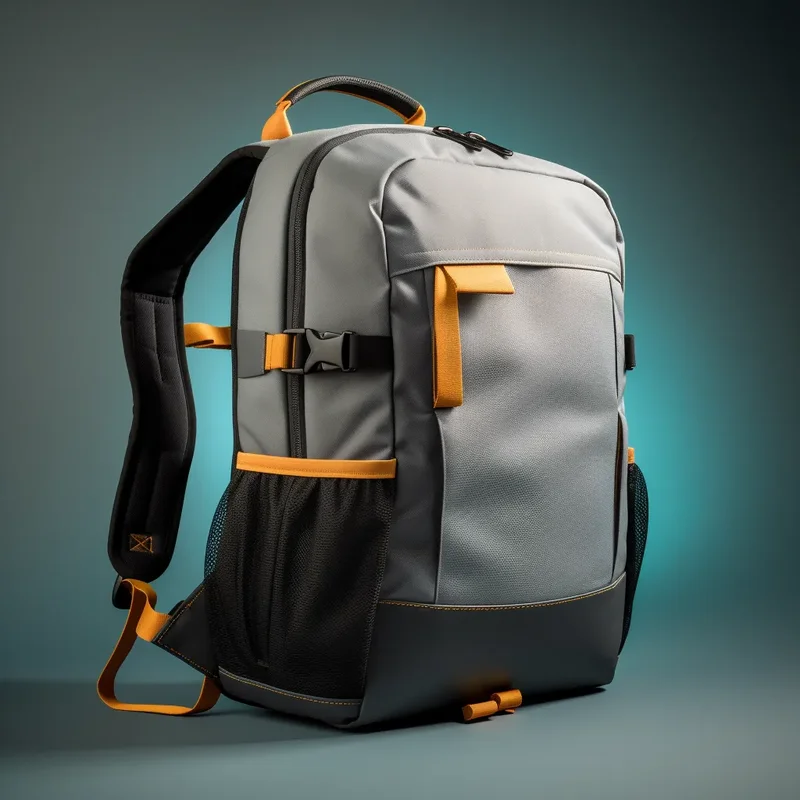
Public transit commuting presents a unique set of challenges that neither cycling commuters nor car commuters face. You navigate crowded platforms, squeeze into packed carriages, transfer between lines, and manage your belongings while standing, holding rails, and being jostled by the movement of the vehicle. Your backpack needs to perform through all of this while keeping your belongings secure, accessible, and your body reasonably comfortable.
After extensive testing of dozens of backpacks across the London Underground, Manchester Metrolink, Edinburgh trams, and countless bus networks, we have identified the specific features and designs that make a backpack truly excel in the transit environment. This guide covers everything from anti-theft considerations to the ergonomics of standing in a packed carriage with a bag on your back, and recommends the best options across every budget.
The Unique Demands of Transit Commuting
Before diving into specific backpacks, it is worth understanding why transit commuting demands a different bag from other commute styles. The environment is fundamentally different, and these differences should inform your purchasing decision.
Crowded Spaces and Spatial Awareness
The average peak-hour train carriage in London carries approximately thirty percent more passengers than seated capacity. In these conditions, every centimetre of personal space matters. A bulky backpack that protrudes thirty centimetres from your back becomes a thirty-centimetre intrusion into someone else's space. This is not merely a courtesy issue; it affects your own comfort because a bag that is constantly bumped, grabbed, or compressed by surrounding bodies becomes difficult to manage and uncomfortable to wear.
The ideal transit backpack has a slim, form-fitting profile that sits close to your body. Look for designs with a maximum depth of fifteen centimetres when fully packed. Compression straps are invaluable here, allowing you to cinch the bag tighter against your body when carrying less and preventing it from becoming a moving obstacle in tight spaces.
Frequent Access Requirements
Transit commuters interact with their backpacks far more frequently than other commuter types. You need your Oyster card or contactless payment at barriers. Your phone for checking real-time departures. Your earbuds for entertainment. Your keys when you arrive at your stop. Each of these interactions needs to happen quickly, ideally without removing the bag entirely, because taking off and putting on a backpack thirty times per commute would be maddening.
This is where backpack design separates the good from the great. Purpose-built transit backpacks feature quick-access pockets positioned at the top of the bag, on the shoulder straps, or along the sides where you can reach them naturally. Some include dedicated transit pass pockets with clear windows that allow contactless scanning without removing the pass. These small design details save significant time and frustration over the hundreds of commutes you complete each year.
Security Concerns in Dense Crowds
Public transit environments present ideal conditions for pickpockets. Dense crowds provide cover, the noise and movement distract from tactile awareness, and the press of bodies means you cannot easily see or feel what is happening to the rear of your backpack. London's Metropolitan Police consistently reports that phone and wallet theft on the transport network is one of the most common types of urban crime experienced by commuters.
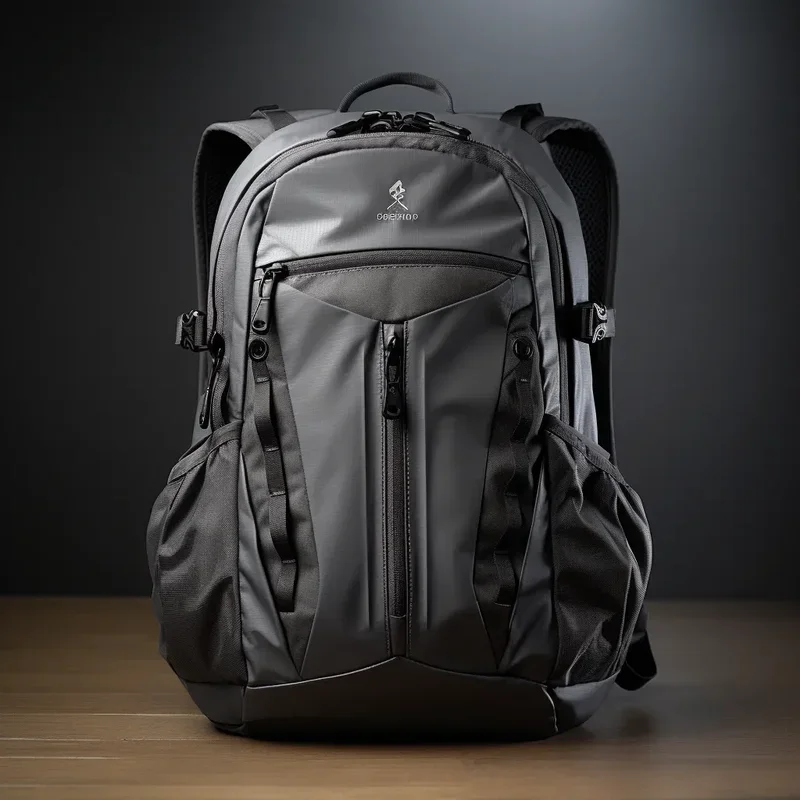
A transit-appropriate backpack should address these security concerns through design rather than requiring constant vigilance. Hidden zippers that face your back, lockable zipper pulls, slash-resistant panels, and RFID-blocking pockets all contribute to a security ecosystem that lets you relax and focus on your journey rather than constantly checking over your shoulder.
Essential Features for Transit Commuter Backpacks
Anti-Theft Design Elements
The most effective anti-theft backpacks employ multiple layers of security that work together to deter and prevent theft attempts. Here are the features that matter most:
Hidden back-panel zippers: The main compartment zippers sit between the back of the bag and your body when worn. This means no zipper is accessible to anyone standing behind you, which eliminates the most common pickpocketing technique on public transit. You must remove the bag to access the main compartment, which is a small inconvenience that provides significant security.
Lockable zipper pulls: Small holes in zipper pulls accept a combination lock or carabiner, preventing zippers from being opened surreptitiously. While a determined thief can cut through any fabric, lockable zippers defeat the opportunistic hand-in-zip technique that accounts for the majority of transit theft.
Slash-resistant materials: Some premium anti-theft backpacks incorporate wire mesh or ultra-high-molecular-weight polyethylene fabric in the back panel and sides, making it impossible to cut through with a knife. This is particularly valuable if you carry expensive electronics or work in areas with organised bag-slashing gangs.
RFID-blocking pockets: Contactless payment cards and biometric passports can be read through thin fabric by specialised scanning devices. RFID-blocking pockets use a metallic mesh lining that prevents electromagnetic signals from reaching your cards. While the real-world risk of contactless skimming is relatively low in the UK, it provides peace of mind for commuters carrying significant value in contactless-enabled cards.
Quick-Access Organisation
The best transit backpacks feature a tiered organisation system that maps to your access frequency:
Instant access tier: Transit pass pocket, phone pocket, and earbud routing. These are accessed without removing the bag or even breaking your stride. Look for top-mounted pockets with magnetic or one-handed zipper closures, shoulder strap pockets, and hip belt pouches.
Frequent access tier: Laptop, tablet, notebook, and pens. Accessed when you arrive at your destination or during longer stationary periods. A dedicated laptop sleeve with padding, positioned close to your back for weight distribution, serves this need.
Occasional access tier: Lunch, jacket, water bottle, and spare clothing. These items go in the main compartment or side pockets and are accessed at home or at work, not during your journey.
Brands that excel at this tiered approach include Cotopaxi, whose Allpa series features multiple entry points, and Aer, whose City Pack Pro includes a sophisticated pocket system designed specifically for the access patterns of daily commuters.
Size and Profile Considerations
For transit commuting, smaller is genuinely better, provided you can fit your daily essentials. The sweet spot is eighteen to twenty-six litres. Anything smaller forces you to leave useful items at home; anything larger makes you a nuisance in crowded carriages.
Beyond volume, consider the bag's dimensions relative to your body. A bag designed for a tall person may hang awkwardly on someone shorter, protruding further from the back and creating more intrusion into other passengers' space. If you are under average height, look for brands that offer adjustable torso lengths or compact-specific models.
Top Backpack Picks for Public Transit Commuters
Best Overall: Cotopaxi Allpa 28L
The Cotopaxi Allpa 28L has earned its reputation as the gold standard for transit commuting through a combination of thoughtful design and remarkable durability. The clamshell opening reveals a fully organised interior with mesh pockets, compression straps, and a padded laptop sleeve. The TPU-coated nylon fabric handles rain, spills, and daily abuse with ease. The anti-theft hidden back panel and lockable zippers address security concerns, while the padded shoulder straps and sternum strap ensure comfort during longer station-to-office walks. The distinctive colour-blocking design is also easy to spot on a luggage carousel if your commute involves air travel.
Best for Security: Pacsafe Venturesafe X25
If security is your top priority, the Pacsafe Venturesafe X25 is purpose-built for your concerns. It features eXomesh slashguard fabric that resists cutting, Locksafe security clips on all zippers, and an RFIDsafe blocking pocket. The TurnNLock anchor strap allows you to secure the bag to a fixed object when you need to set it down. While it is heavier than some alternatives, the comprehensive security package makes it the choice for commuters on routes where theft is a genuine concern.
Best Slim Profile: Bellroy Transit Backpack 20L
For commuters who value a clean, understated look alongside functionality, the Bellroy Transit Backpack offers an exceptionally slim profile that does not intrude on fellow passengers. The premium recycled fabric and leather accents look sharp in any office environment. The hidden back-panel pocket, quick-access top pocket, and internal organisation keep essentials orderly without adding bulk. Bellroy's environmental certification and three-year warranty round out an impressive package that prioritises both form and function.
Best for Tech Carriers: Aer City Pack Pro
The Aer City Pack Pro is designed from the ground up for urban professionals who carry multiple devices. It features a padded laptop compartment accommodating up to 16 inches, a separate tablet sleeve, an accessory organiser panel with elastic loops and zippered pockets, and a front quick-access pocket perfect for transit passes and phones. The ballistic nylon exterior and YKK zippers handle daily abuse, while the slim 10-centimetre depth profile makes it ideal for crowded transit environments.
Best Budget Option: Herschel Classic Daypack
The Herschel Classic Daypack proves that effective transit commuting does not require a premium investment. Its clean design, internal media pocket with headphone routing, and padded laptop sleeve cover the essential needs at a very accessible price point. While it lacks the anti-theft features of more expensive options, its slim profile and comfortable padded straps make it a reliable companion for commuters on quieter routes or those who prefer to supplement security with personal vigilance.
Transit Backpack Comparison
| Backpack | Volume | Anti-Theft | Quick Access | Profile Depth | Price Range |
|---|---|---|---|---|---|
| Cotopaxi Allpa 28L | 28L | Hidden zippers, lockable | Top panel, side pockets | 14cm | Mid-range |
| Pacsafe Venturesafe X25 | 25L | Full slashguard, RFID | Top panel | 13cm | Mid-range |
| Bellroy Transit 20L | 20L | Hidden back panel | Top quick-access | 11cm | Premium |
| Aer City Pack Pro | 24L | Hidden zippers | Front access, organiser | 10cm | Premium |
| Herschel Classic | 22L | Basic | Front pocket | 13cm | Budget |
Transit Commuting Backpack Etiquette
Beyond personal comfort and security, responsible backpack use on public transit involves consideration for fellow passengers. Here are some guidelines that make everyone's journey more pleasant:
Remove your backpack when seated. This sounds obvious, yet a significant proportion of seated passengers keep their bags on. Removing your backpack frees the seat next to you for another passenger and prevents your bag from pressing into the person behind you on bench seating.
Move your backpack to your front during peak times. When the carriage is standing-room only, wearing your bag on your front reduces the space you occupy and protects your belongings simultaneously. Many transit commuters develop this as an automatic habit upon entering a crowded carriage.
Use both shoulder straps. Wearing a backpack on one shoulder causes it to swing into other passengers when you turn. Using both straps keeps the bag stable and close to your body, minimising intrusion into others' personal space.
Be mindful when turning around. The most common cause of backpack-related incidents on public transit is turning without checking your surroundings. Develop the habit of checking before you pivot, particularly on platforms where you might knock someone toward the edge.
Seasonal Considerations for Transit Backpacks
Winter Commuting
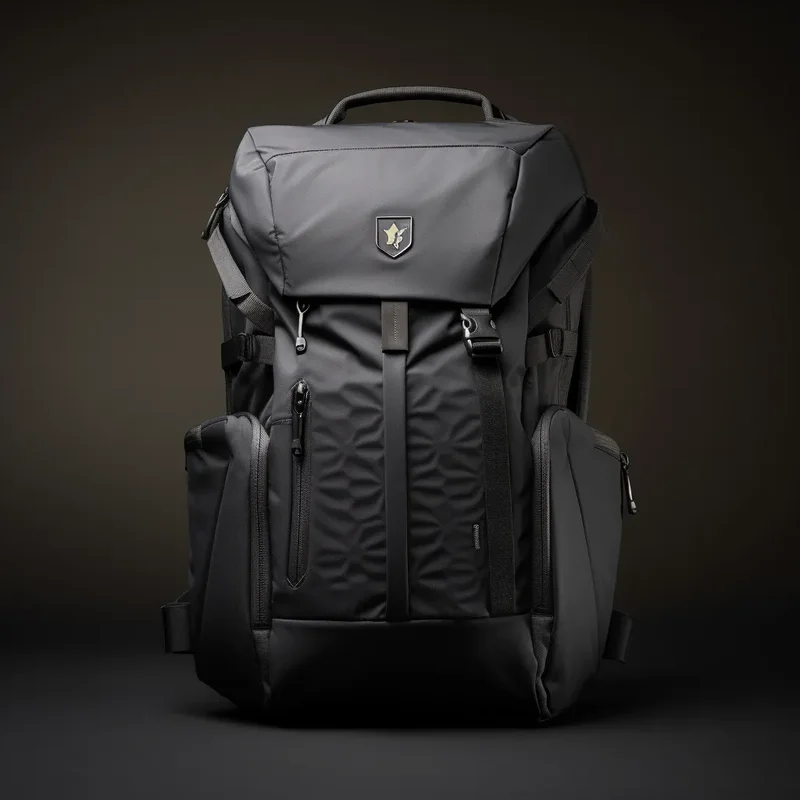
During winter, you may carry additional layers, gloves, scarves, and an umbrella alongside your regular commute items. Choose a backpack with some expandability, either through a roll-top extension or a gusseted main compartment that accommodates extra volume when needed. Water-resistant fabric is essential during this season, not just for rain but for the wet conditions tracked onto trains and buses by fellow passengers.
Summer Commuting
In summer, the challenges shift to heat management and reducing what you carry. A backpack with a ventilated back panel becomes important when you are walking between connections in warm weather. A lighter-coloured exterior also absorbs less heat from sunlight when you are walking between platforms. Consider a backpack with an external water bottle pocket to encourage hydration during warmer months.
Maintaining Your Transit Backpack
Transit backpacks endure a particularly harsh environment. They are set down on station floors, pressed against dirty surfaces, exposed to rain and humidity, and handled frequently. Proper maintenance extends their useful life considerably:
Wipe down the exterior weekly with a damp cloth to remove the grime accumulated from contact with seats, walls, and other surfaces. Empty all pockets at the end of each working day to prevent the buildup of transit receipts, food wrappers, and miscellaneous debris. Check zippers monthly and apply a graphite pencil or silicone lubricant if they become stiff from accumulated dust and grit.
If your backpack includes a padded laptop compartment, periodically remove the padding insert and clean the compartment interior. Crumbs, dust, and small debris accumulate in the corners and can scratch your laptop screen or damage ports over time.
Transit Backpacks and Workplace Integration
A frequently overlooked aspect of choosing a transit commuter backpack is how it functions once you arrive at your workplace. The bag that works perfectly on the Tube may look out of place in a corporate boardroom, or conversely, a bag that looks excellent in a meeting room may be impractical for the actual journey.
For professionals working in corporate environments, the ideal transit backpack should bridge both worlds seamlessly. This means choosing a design with clean lines, structured shape, and premium materials that read as professional rather than sporty or utilitarian. The Bellroy Transit Backpack and Aer City Pack Pro both achieve this balance, offering professional aesthetics without sacrificing the functional features needed for daily transit commuting.
Consider whether your workplace provides storage. If you have a desk drawer or locker at work, you can optimise your backpack for the journey rather than for all-day carry. This might mean choosing a more compact, security-focused bag for the commute and storing your laptop charger, headphones, and other daily-use items at your desk. This approach allows you to carry a smaller, lighter bag that is better suited to crowded transit environments.
Technology Integration in Transit Backpacks
Modern transit backpacks increasingly incorporate technology-friendly features that go beyond simple laptop compartments. Understanding these features helps you choose a bag that integrates smoothly with your digital lifestyle during your commute.
Cable routing systems: Many transit backpacks include internal channels that allow you to route charging cables from a power bank in your bag to your phone or tablet in an accessible pocket. This keeps your devices charged during long commutes without creating a tangle of loose cables. Some designs include dedicated power bank pockets with pass-through ports for clean cable management.
AirTag and tracker pockets: The rise of Bluetooth trackers like Apple AirTag and Tile has led some backpack manufacturers to integrate dedicated tracker pockets into their designs. These small, padded pouches hold your tracker securely and position it optimally for signal transmission. This feature is particularly valuable for transit commuters who may set their bag down while reading or listening to music and want the ability to locate it if accidentally left behind.
Pass-through back panels: Some transit backpacks feature a luggage pass-through strap on the back panel that allows you to slide the backpack over the handle of a rolling suitcase. This feature is invaluable for commuters whose journey involves air travel or train connections where you may be pulling wheeled luggage alongside your backpack.
The Psychology of Transit Bag Security
Beyond the physical security features of a transit backpack, there is a psychological dimension to bag security that affects your daily experience. The constant low-level anxiety about your belongings while navigating crowded transit environments creates stress that accumulates over weeks and months. This background stress, though often unconscious, affects your mood, energy levels, and overall commuting experience.
An anti-theft backpack with hidden zippers, lockable compartments, and slash-resistant materials does more than physically protect your belongings; it eliminates this background anxiety. When you trust your bag to keep your possessions secure, you can relax and focus on your commute, your reading, your podcast, or simply decompressing between work and home. This psychological benefit is difficult to quantify but becomes immediately apparent when you switch from a basic backpack to one designed with transit security in mind.
The concept extends to organisation as well. A well-organised bag where every item has a designated place reduces the mental load of remembering where you put things. When you know exactly which pocket holds your transit pass, which sleeve holds your laptop, and which compartment contains your lunch, the daily ritual of commuting becomes smoother and less stressful. This cognitive ease is a genuine benefit of purpose-designed transit backpacks.
Comparing Transit Backpacks Across Major UK Cities
Different UK cities present different transit environments, and your backpack needs may vary depending on where you commute. Understanding these differences helps you choose the right features for your specific city.
London Underground: The deep-level Tube lines involve long escalator rides and extremely crowded carriages during peak hours. A slim-profile backpack with excellent security features and front-carry capability is essential. The depth of the bag when worn should be minimised to avoid inconveniencing fellow passengers in packed carriages.
Manchester Metrolink and buses: Manchester's tram system involves above-ground travel with more space but also more exposure to weather at stops and platforms. Water-resistant fabric and a included rain cover are valuable additions for commuters in the north-west where rainfall is frequent.
Edinburgh and Glasgow rail networks: Scotland's major cities involve mixed transit with walking between connections, often in challenging weather. Backpacks that combine transit organisation with weather protection and comfortable walking ergonomics serve Scottish commuters best.
Birmingham and West Midlands: The expanding transit network in Birmingham includes both bus and rail options with significant walking between connections. Comfort during extended walks with a loaded backpack is a priority, making padded straps and ventilated back panels particularly important features for Midlands commuters.
Making Your Transit Commute Better
The right backpack transforms your public transit experience from a daily ordeal into a manageable routine. It keeps your belongings secure so you can relax, organised so you can move efficiently through barriers and gates, and comfortable so you arrive at work without the aches and frustrations that a poor bag choice creates.
Invest time in understanding your specific transit patterns: which items you access at each stage of your journey, how crowded your typical carriage is, and what security risks exist on your route. Match these patterns to the features outlined in this guide, and you will find a backpack that genuinely serves your daily needs rather than merely containing your belongings.
Whether you choose the all-round capability of a Cotopaxi Allpa, the security focus of a Pacsafe, the refined design of a Bellroy, or the tech-friendly layout of an Aer, you are investing in a daily companion that should serve you well for years of commuting. Choose wisely, and every journey becomes slightly more pleasant.
Upgrade Your Transit Commute Today
Explore our complete selection of backpacks designed specifically for public transit commuters who need security, accessibility, and comfort.
Shop Transit BackpacksFrequently Asked Questions
What size backpack is best for public transit commuting?
For public transit commuting, a backpack between 18 and 26 litres strikes the ideal balance. You need enough capacity for daily essentials including a laptop, lunch, and personal items, but you want to avoid anything so large that it becomes difficult to manage in crowded carriages and on narrow platforms.
Are anti-theft backpacks worth it for commuters?
Anti-theft backpacks are a worthwhile investment for public transit commuters, particularly on busy urban routes where bag-snatching and pickpocketing are common. Features like hidden zippers, lockable zipper pulls, slash-resistant fabric, and RFID-blocking pockets address the most common theft methods encountered on trains and buses.
Should I carry my backpack on my front on crowded trains?
Yes, carrying your backpack on your front in crowded carriages is strongly recommended for both security and courtesy. It prevents pickpockets from accessing zippers behind you, and it reduces the space you occupy, making the carriage more comfortable for fellow passengers.
What is the best anti-theft feature for transit backpacks?
The single most effective anti-theft feature is a zippered compartment that sits against your back, with no external zippers visible from the outside. The second most important feature is lockable zipper pulls that accept a small combination lock, which prevents opportunistic zipper-opening.
How do I keep my transit pass and phone accessible without opening my bag?
Look for backpacks with external quick-access pockets positioned on the hip belt, shoulder strap, or side of the bag where you can reach them without removing the backpack. Some models include a dedicated transit pass pocket with a clear window that allows contactless scanning through the fabric.
What makes a backpack comfortable for standing on crowded trains?
The most important comfort features are a slim profile that does not bump into other passengers, a padded back panel that prevents hard objects from pressing into your back, and a sternum strap that keeps the bag stable when the train accelerates or brakes suddenly.