Best Backpacks for Peak District Day Hikes: Load Size, Edge Stability and Damp-Weather Detail
Peak District walking favours smaller, flatter and more durable packs than most people expect. The practical answer for a typical day from Edale, Hathersage, Castleton or Bakewell is 16-24 litres with a low centre of gravity, external access to a map and water, and abrasion resistance against sharp gritstone. Carried weight usually lands between 5 kg and 7.5 kg.
What follows looks at why sizing skews smaller here than in the Lakes, how edge scrambling changes the profile you should buy, how bog and staining are handled, and what those details mean if you are specifying a range. QUANZHOU JUNYUAN BAGS develops walking pack programmes starting at 500 pcs per style and colourway.
Shorter Ascents From Higher Starting Points
The defining difference between the Peak District and the great Lakeland rounds is not difficulty but distance from the car. Most gritstone walks begin within 200-400 m of a village parking spot, reach the edge line within thirty to fifty minutes of steep climbing, and finish within six hours. Because you start high, there is rarely a long valley approach to justify spare capacity, and the bag that suits a full Lakeland horseshoe tends simply to be too much here. The geography dictates a smaller bag, and ignoring that usually means carrying capacity you will never fill. Knowing that difference prevents most oversized purchases before they happen.
That same structure changes what must be carried. There is less need for bulk insulation because help, shelter and a hot drink are usually thirty minutes away, but there is more need for weather protection than walkers expect, because exposed edges sit directly in the prevailing westerly flow and get wet quickly. The useful specification therefore prioritises a light shell with dependable shed, rather than capacity, and treats any additional litre as a liability rather than an asset. Additional litres therefore work against you here, because they invite exactly that kind of unnecessary padding. Volume rarely compensates for a bag that cannot shed six hours of drizzle.
- Typical start point: 200-400 m from village parking or a bus stop.
- Time to the edge line: 30-50 minutes of steep climbing.
- Day length: four to six hours for most circular routes.
- Practical consequence: prioritise weather shed over spare volume.
Right-Sizing for Gritstone Days
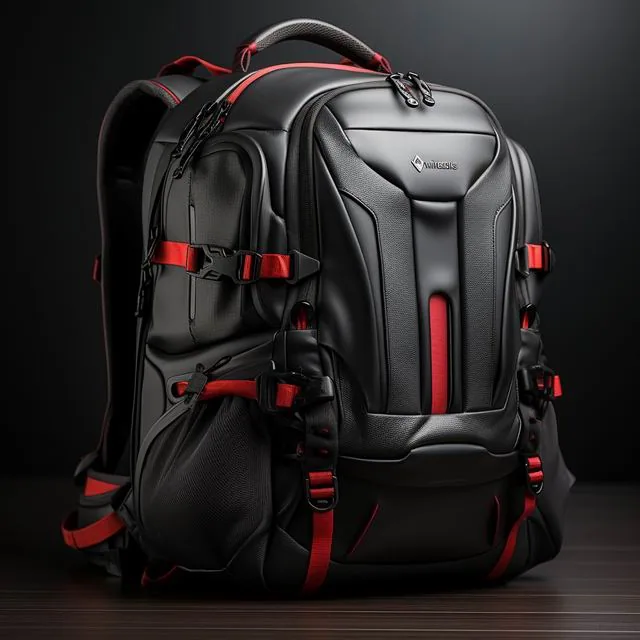
For a standard summer circular such as Stanage Edge from Hooks Carr, or Padley Gorge out of Grindleford, 14-18 litres is genuinely enough once the waterproofs, 1 litre of water, lunch, a hat and a small first aid kit are packed. Wet and windy days in October or March, or routes crossing the Kinder plateau where navigation is not trivial, justify 20-24 litres for gloves, a mid layer, a flask and maybe a second map sheet. October and March routes crossing the plateau, where both cloud and navigational error are plausible, sit in the upper half of that band. Volume selection here is mostly about the worst weather you expect to tolerate.
Below about 14 litres the compromises become obvious. An insufficiently large pack still has to hold a waterproof jacket somewhere, and when that jacket ends up tied around the waist or stuffed under a lid strap it gets wet and then heats up your lower back. Going larger is rarely harmful up to about 26 litres provided there is full side compression to pull the load flat, so when in doubt on a mixed-use purchase, it is better to have slightly more space managed well than slightly less. Managed properly, a slightly larger pack with real compression outperforms a smaller one that cannot close over its own contents.
| Route style | Suggested volume | Typical carried weight |
|---|---|---|
| Village circular with a cafe stop | 14-18 litres | 4.0-5.5 kg |
| Stanage, Burbage or Froggatt edge walk | 16-20 litres | 4.5-6.0 kg |
| Kinder plateau crossing in poor visibility | 20-24 litres | 6.0-7.5 kg |
| Family or group day with shared kit | 22-28 litres | 7.0-9.0 kg |
Edge Scrambling and How Low the Profile Needs to Be
Gritstone edges such as Stanage and Curbar are not mountaineering, but they do involve hands-on moves over rock, sometimes with polished holds and awkward drops to either side. A pack that protrudes far behind the shoulders is caught by rock on mantleshelf moves, and anything dangling swings when you step across a gap. Keeping depth below roughly 200 mm and stowing everything external removes both problems, and this constraint applies harder here than on open moorland paths. A low profile is therefore the requirement, not additional padding or technical features you will never actually use. Additional padding does nothing useful on mantleshelf moves and causes plenty of interference.
Strap management is part of that discipline. Webbing tails above 100 mm, loose hip belt ends and unbuckled lid straps all find ways to interfere with hands and feet on rock, so they should be routed through keepers rather than left to curl. The other useful detail is hip belt geometry: a belt that wraps rather than pulls vertically stays comfortable when you are leaning into a steep slope, which is why many hill walkers prefer a lightly padded belt with generous wrap angles over a heavily padded one. Keeper loops cost almost nothing at specification stage and remain the cheapest way to eliminate strap management problems in the field.
Stow all external items, route every strap through a keeper, tighten side compression, and check that nothing is hanging lower than the base of the pack before hands go onto rock.
Bog, Peat Staining and Standing Water
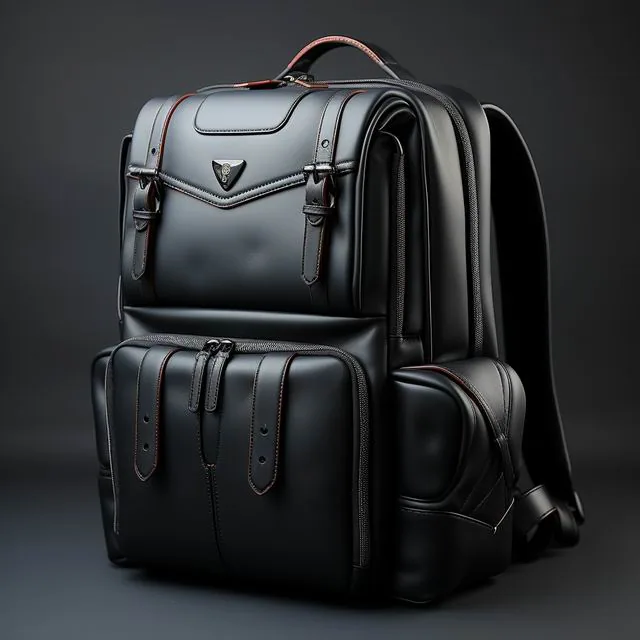
The plateau above Kinder, the Snake Pass approaches and parts of the northern moors hold water for weeks after rain. Saturated peat does three things to a pack: it stains anything pale permanently, it soaks whatever is set down on it, and it works into the bottom of the shell where it stays damp. Purposeful handling therefore starts with colour: mid to dark colourways and linings hide peat far better than pale ones, which are best left to window-display ideas rather than field use. Dark linings also make it obvious when a spill stays inside rather than being discovered three walks later. Monthly inspection of the lower panels then catches damage before it reaches the lining.
The rest is about managing wetting and mechanical picking up. Set-sown bags should always go onto a rock or a scrap, never directly onto saturated ground, and the base should either be taped or paired with a liner so standing moisture does not wick into the main volume. Fabric choice measured as abrasion cycles to ISO 12947 still matters here because gritstone is noticeably coarse, and most damage will show first at the base corners where the pack is mentally put down rather than carefully placed. Base damage almost always begins where the pack is set down unthinkingly, which is why material there deserves its own allowance.
- Choose mid to dark colourways and linings; peat stains pale fabrics permanently.
- Set the pack on rock or a scrap rather than saturated ground.
- Taped seams or a liner prevent wicking up from the base panel.
- Inspect base corners monthly, since that is where wear concentrates.
Drying and De-Mudding After the Walk
Most Peak District walkers finish at a car, a pub or a B&B rather than a tent, and how the pack is treated in the following hour determines whether it smells by spring. Empty it fully, including every crumb in the food pocket, then rinse outer grit from the shell and base while it is still wet rather than letting it dry into a paste. Hang the pack open, upside down, somewhere with moving air, because modern polyurethane-backed shells dry slowly and mildew establishes faster than most people expect. Food debris left in a hip belt pocket is the most common cause of smells that no amount of airing afterwards will remove.
Indoor drying deserves a caveat. A wet pack hung in a small unheated porch or a bedroom cupboard adds meaningful moisture to an enclosed space, which is why well-ventilated drying is preferable to simply moving damp gear inside; the relationship between damp indoor storage and airborne mould is discussed in EPA indoor air quality guidance. Once fully dry, brushing off grit before storage and periodically treating the durable water-repellent finish keeps performance predictable through the winter season. Air movement matters more than warmth for this kind of drying, and a draughty hallway beats a warm cupboard every time. A damp cupboard turns a wet pack into a mildew problem within about a fortnight.
- Empty every pocket, including food debris in hip belt compartments.
- Rinse grit from the shell and base while still wet rather than after drying.
- Hang open and inverted in moving air, away from direct radiant heat.
- Re-proof once water stops beading; roughly every 8-12 wet walking days.
Dawn Starts, Dusk Finishes and Winter Light
Many Peak District walkers now start early to secure parking at popular spots such as Edale or Curbar, and winter light disappears not long after three in the afternoon. That pushes two items into every kit regardless of forecast: a head torch with a tested beam, kept in the same lid pocket every time, and some reflective or light element for the walk out along a roadside between Hathersage and B6501. Neither needs to be expensive, but both need established positions in the pack. Neither item needs to be expensive, but both need a fixed position rather than a hopeful one, because winter light disappears quickly.
Reflective panelling on the bag itself has a modest but real benefit on unlit lanes, and unlike high-visibility clothing it costs nothing in comfort. The practical addition is external lashing for a small torch or a rear light, since an unlit lane lined with dry stone walls gives drivers very little lateral reference in November drizzle. Setting the pack down on pale, unlit roads when fumbling for a torch is also worth avoiding, so models with a light reflective strip across base or lid tend to be found sooner. Reflective strip placement across base and lid also helps you find the pack again when it is set down on an unlit verge.
Dogs, Family Groups and Shared Loads
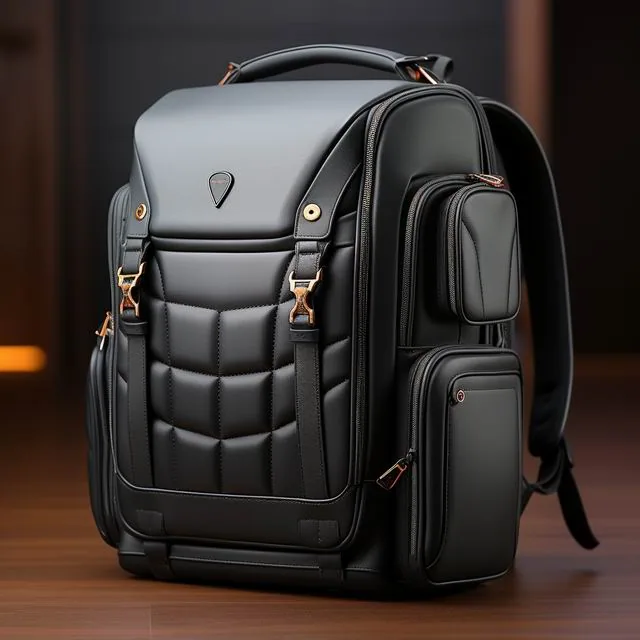
The Peak District is heavily used by dog walkers and by families doing a first proper hike, and both change what the bag carries. Water for a dog adds 0.5-1.0 kg, towels or a throw add another 0.4-0.8 kg, and treats and waste bags accumulate into clutter that needs its own easy-to-clean pocket. Keeping these items away from food and away from electronics is the simplest way to keep both ends of that arrangement pleasant. Separation is the whole principle: anything wet, sandy or food-scented travels outside the main volume. Nothing about shared carrying should put food, wet towels and electronics into contact with one another.
Group carrying shifts weight rather than reducing it. One adult frequently ends up with the shared first aid kit, the group shelter and someone else's water, which means the load can reach 9-11 kg even on a short route. Specifying a harness for the realistic maximum rather than the pleasant average is the lesson from most shared days: broad straps, a proper hip belt that actually wraps, and compression that prevents spare items rattling once the group spreads out along the path. Specifying harnesses for the maximum realistic group load prevents the commonest complaint about shared carrying. Groups also tend to walk further than planned, which argues again for capacity managed by compression.
| Added item | Added mass | Packing solution |
|---|---|---|
| Dog water 0.5-1.0 litre | 0.5-1.0 kg | Side pocket with a stable bottle diameter |
| Towel or throw | 0.4-0.8 kg | Outer stuff pocket, never inside the main volume |
| Treats and waste bags | 0.2-0.4 kg | Small zip mesh pocket, away from food |
| Shared group shelter | 0.4-0.6 kg | Outer lid pocket for immediate access |
Village Parking, Cafe Stops and Leaving Gear
Walking here usually involves leaving a vehicle with equipment in it, so two practical habits matter. Anything valuable goes out of sight or with you, because popular lay-bys carry a steady stream of people and no supervision, and leaving a bag visibly loaded in a footwell to decide between walking tools is asking for trouble. Second, the pack you take on the hill should carry its own essentials rather than relying on what is left behind; a route change or a lengthened walk removes that backup quickly. Twenty seconds spent moving anything valuable out of sight costs nothing compared with explaining a broken window to an insurer.
Cafe stops are an underrated design requirement. A pack that stands upright on a tiled floor rather than toppling sideways avoids its own accord grazing every passing cup, and one that dries from the outside is preferable in a busy pub where wet Gore-Tex and mud are more noticeable than anywhere else. Small details such as a wipe-clean base with no exposed stitch holes thus earn their keep; users should remember that damp gear left in a warm enclosed car for several hours will steam rather than dry. A bag that survives being soaked twice a week is doing real work, which is what most walkers are actually buying.
Specifying a Peak District Day Pack Range
Retailers developing this category tend to over-specify capacity and under-specify the surface. A buyer specification that states 16-24 litres nominal with a tolerance of plus or minus 5 mm on all dimensions, 30,000-40,000 abrasion cycles, seam taping quoted separately from hydrostatic head, webbing keepers on every strap tail and a stated maximum external protrusion is far more useful than a list of features. The stated numbers are also what later settles disputes about whether bulk matches the approved sample. Written numbers also settle disputes later, since feature descriptions are rarely testable in the way a tolerance is. Specification is the only stage where those numbers cost nothing to state.
Order parameters stay the same across the walking categories. The minimum order is 500 pcs per style and colourway, samples are prepared in 6-10 working days, rising to 12-15 where the design includes moulded panels or bonded frames, and bulk production occupies 35-50 days from approval. Terms are FOB Xiamen against T/T 30/70 payment, inspected to AQL 2.5 following ISO 2859-1. QUANZHOU JUNYUAN BAGS has coordinated walking programmes since 2014 across 4,950 m² of SGS-verified production floor space with 137 colleagues operating 7 production lines. Plan backwards from a launch date across those windows rather than assuming anything can be compressed once development is under way.
Frequently Asked Questions
What size backpack do you need for a Peak District day hike?
Most summer routes suit 14-18 litres, which holds waterproofs, 1 litre of water, lunch and a small first aid kit. Poorer weather or a Kinder plateau crossing justify 20-24 litres for extra layers and a flask. Above about 26 litres the pack tends to sit half empty unless full side compression pulls it flat. Full side compression matters more than the nominal figure, because it stops a part-filled pack slumping.
Is Peak District gear different from Lake District gear?
Mainly in scale. Starting points sit higher and closer to villages, so days are shorter and steeper, meaning smaller packs. Weather protection still matters because edges sit in the prevailing westerly flow, but there is less need for bulk insulation since shelter and transport are usually thirty minutes away. Steeper and shorter climbs also mean the load is felt early rather than spread across several hours.
How do I stop peat staining my backpack?
Choose mid to dark colourways rather than pale fabric, because saturated peat marks light colours permanently. Set the pack on rock instead of wet ground, keep it taped or linered against wicking, and rinse grit from the shell before it dries rather than letting it set into a paste. Dark linings hide marks well and make it obvious when a spill has stayed inside the bag.
What carry weight should I expect on a gritstone route?
Typically 5-7.5 kg for a solo day including water and food. Group leaders carrying shared shelter, first aid and extra water regularly reach 9-11 kg, which is another reason to specify the harness for the realistic maximum load rather than the pleasant average. Specify the harness for the maximum rather than the average, since shared kit tends to migrate to one person.
Do I need special features for walking along Stanage Edge?
Nothing specialist, but the profile should be low. Keep depth below roughly 200 mm, stow every external item, run strap tails through keepers and tighten side compression before hands go onto rock. Dangling webbing and protruding pockets are the two things that genuinely interfere on mantleshelf moves. Run every strap through a keeper so nothing dangles across hands or feet when rock is involved.
How should I dry a pack after a wet Peak District walk?
Empty every pocket, rinse grit while still wet, then hang the pack open and inverted somewhere with moving air. Avoid drying it sealed in a warm car, where it steams rather than dries, and prefer ventilated indoor spaces to damp cupboards, since retained moisture encourages mildew quickly. Turning hip belt pockets outward also helps, since they hold the most debris and dry slowest.
Are hip belt pockets worth having on a day pack?
Yes, provided they sit forward of the hip bone. Capacities of 0.5-1.0 litre hold bars, gloves or a phone without interfering with arm swing. Anything bulkier pushes your arms outward on steep climbs and tends to be knocked by the hand when scrambling. Anything bulkier tends to catch the hand when you reach for rock, which is when pockets stop being useful.
What should I carry for a winter walk finishing in the dark?
A head torch in the same lid pocket every time, spare batteries kept warm near the body, a hat and gloves in the lid rather than packed deep, and some reflective or lighting element for walking out along unlit lanes once daylight goes shortly after mid-afternoon. Reflective panelling costs nothing in comfort and helps considerably on unlit lanes between Hathersage and the dale.
Can I carry a dog's water and towel in the same bag?
Yes, but keep them outside the main volume. Water goes in a side pocket with a stable diameter, the towel in an outer stuff pocket, and treats in a small zip mesh compartment away from your own food. That separation keeps electronics and lunch clean at the end of the walk. Water stays in a side pocket with a stable diameter, towels go in an outer stuff pocket.
Is it safe to leave gear visible in Peak District car parks?
It is better not to. Popular lay-bys such as those near Curbar and Edale carry heavy footfall with no supervision. Take valuables with you, put everything else out of sight before you leave the vehicle, and make sure the bag you carry has its own essentials rather than relying on what you left behind. The bag you carry should hold its own essentials rather than relying on anything left behind in the car.
What fabric should a gritstone day pack use?
Specify cycle counts rather than only denier. Around 30,000-40,000 cycles to ISO 12947 suits most Peak District use, since gritstone is coarse and most wear appears at the base corners. Pair that with taped seams or a liner to handle saturated peat and standing water on the plateau approaches. Most wear shows first at the base corners, where the pack is set down rather than carefully placed.
Building a UK Day Hike Pack Range?
QUANZHOU JUNYUAN BAGS develops day hiking programmes for UK brands from 500 pcs per style and colourway, delivering samples in 6-10 working days, or 12-15 where a moulded or bonded construction is specified, followed by bulk production across 35-50 days.
Tell us the target litre band, retail price point and terrain the range is sold against, and our production partners will prepare a proposal with every dimensional tolerance, seam specification and hardware rating put in writing up front.
Email: service@junyuanbags.com
WhatsApp: +86 177 5002 0688