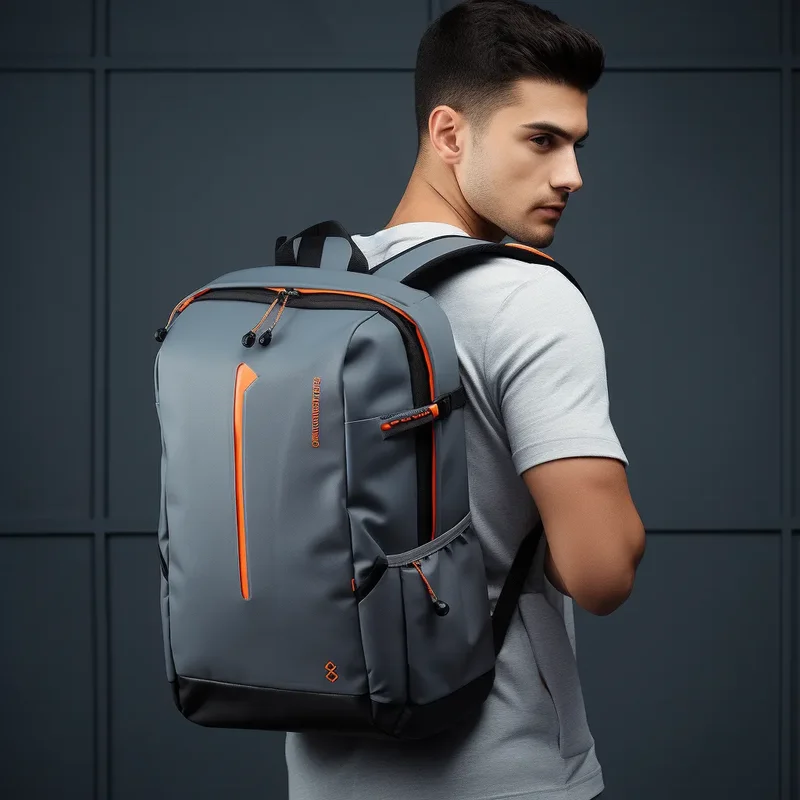
Mountaineering backpacks occupy a fundamentally different design space than hiking packs. Where hiking packs prioritise comfort and ventilation for sustained aerobic effort, mountaineering packs must accommodate technical equipment, withstand abrasion from rock and ice, maintain a slim profile for chimneying and scrambling, and remain functional in temperatures that can drop to minus thirty degrees with wind chill. Every strap, pocket, and attachment point serves a specific purpose born from the demands of alpine terrain.
This guide reviews six mountaineering packs that represent the current best in their respective categories, from lightweight alpine fast-and-light kits to fully-featured expedition packs capable of carrying everything needed for multi-day technical routes. Each pack has been evaluated not just in controlled conditions but on real alpine terrain where failure means more than discomfort.
Mountaineering pack priorities differ from hiking: Technical attachment points (ice axe, crampons, rope, helmet) take precedence over ventilation. Streamlined profiles prevent snagging on rock. Durable fabrics resist crampon punctures and abrasion. Minimal hip belts reduce interference with harnesses. Every feature must work with gloved hands in potentially whiteout conditions. If a feature cannot be operated wearing thick mountaineering gloves, it is a liability rather than an asset.
Mountaineering Pack Requirements: Technical Features That Matter
Understanding what separates a mountaineering pack from a hiking pack begins with examining the specific demands of alpine climbing. Each feature on a quality mountaineering pack exists because climbers have identified a genuine need through decades of mountain experience. Unlike hiking packs where comfort and ventilation dominate design priorities, mountaineering packs must function reliably in conditions where gear failure carries serious consequences. Every attachment point, strap, and pocket must be operable with thick insulated gloves in low visibility, high wind, or whiteout conditions. The best mountaineering packs feel purposeful rather than merely functional, with each design element serving a clear role in the alpine environment where simplicity and reliability outweigh feature complexity.
Ice Axe Attachment
A dedicated ice axe attachment system is non-negotiable for any pack used on snow and ice. This typically consists of a reinforced loop at the pack bottom for the axe head and a shaft retention system along the pack's side or back panel. The best systems allow single-hand operation with gloves and secure the axe firmly enough that it cannot shift during scrambling. Dual axe carry capability is essential for steep ice and mixed routes.
Crampon Carry
Crampons must be carried externally where they are accessible and cannot puncture internal gear. A reinforced crampon patch on the front panel, typically made from rubberized or heavily reinforced fabric, provides a secure mounting point. Elastic bungee systems or adjustable straps hold crampons firmly against the pack face. Without a dedicated crampon carry system, sharp points work through pack fabric and damage softer gear inside.
Rope Carry
For routes requiring a rope, external carry capability is essential. Rope straps or compression straps on the pack bottom or sides secure a coiled rope without consuming internal space. Some packs feature dedicated rope compartments with drain holes for wet rope storage. The rope carry system must be quick to deploy and secure enough that the rope cannot accidentally release during climbing.
Helmet Compatibility
Alpine climbers frequently transition between helmet-on (technical climbing) and helmet-off (approach hiking) modes. External helmet carry systems using straps, bungees, or dedicated attachment points keep the helmet secure and accessible. This eliminates the need to stuff the helmet inside an already-full pack or dangle it from a carabiner in ways that cause it to swing and snag.
Gear Loops and Protection Carry
For rock climbing routes that require rack carrying, gear loops provide critical attachment points for carabiners loaded with cams, nuts, and slings. These loops are typically located on the hip belt or lower sides of the pack, positioning the rack for easy access when the pack is removed. Some packs include haul loops rated for belay operations.
1. Arc'teryx Alpha AR 35 — Best Overall Alpine Pack
Arc'teryx Alpha AR 35
The Arc'teryx Alpha AR 35 represents the pinnacle of alpine pack design, combining minimal weight with comprehensive technical features. Built from N400r-AC2 waterproof face fabric with AC2 laminate technology, it is inherently waterproof without seams or zippers that can leak. The streamlined profile eliminates snag points while providing dedicated attachment systems for ice axes, crampons, helmets, and ropes. At 2.2 pounds, it is remarkably light for the level of technical capability it offers.
Pros
- Waterproof without seams
- Dual ice axe carry
- Streamlined alpine profile
- Exceptional build quality
- Glove-friendly closures
- Removable framesheet
Cons
- Premium price point
- 35L may be tight for multi-day
- Minimal hip belt padding
The Alpha AR excels through thoughtful design that addresses real alpine needs. The roll-top closure is waterproof and allows micro-adjustments to volume. The dual ice axe system works flawlessly with gloved hands, using large toggles that do not require fiddling with small buckles. The waterproof construction eliminates the need for a pack cover, which can blow off in high winds on exposed ridgelines.
2. Black Diamond Speed 30 — Best Approach and Alpine Hybrid
Black Diamond Speed 30
The Speed 30 occupies a unique position as a pack equally capable on technical approaches and moderate alpine routes. Its 30-litre capacity and 1.9-pound weight make it ideal for fast alpine starts, cragging days, and winter hiking where technical attachment points prove useful without the bulk of a full mountaineering pack. The BDdry waterproof laminate provides reliable weather protection.
Pros
- Lightweight for technical features
- Waterproof BDdry fabric
- Excellent for approach to climb transitions
- Simple, minimalist design
- Good value for features
Cons
- Single ice axe only
- Smaller capacity for multi-day
- Minimal hip belt
What makes the Speed 30 special is its versatility across disciplines. It transitions seamlessly from hiking approach to technical climbing to summit push without feeling out of place in any context. The simplified feature set keeps weight low while retaining the technical attachments that matter most for moderate alpine objectives.
3. Osprey Mutant 38 — Best Technical Feature Set
Osprey Mutant 38
The Osprey Mutant 38 delivers the most comprehensive technical feature set of any pack in this review. Dual ice axe carry with Osprey's signature BladeLock system, a dedicated rope carry compartment, removable lid that converts to a harness bag, and ski carry straps make it suitable for everything from winter alpine routes to ski mountaineering. The removable framesheet and hip belt allow you to strip weight for summit pushes.
Pros
- Most comprehensive technical features
- Dual ice axe BladeLock system
- Modular design (removable components)
- Rope compartment with drain holes
- Ski carry compatible
- Osprey warranty coverage
Cons
- Heaviest pack in this review
- Complex feature set adds weight
- Not waterproof without cover
The Mutant 38's modular approach lets you configure it for specific objectives. Full configuration with lid, hip belt, and framesheet for multi-day alpine routes. Stripped configuration for summit day when every gram matters. This flexibility means one pack can serve across a wide range of alpine objectives, reducing the need for multiple specialised packs.
4. Patagonia SnowDrifter 30L — Best for Ski Mountaineering
Patagonia SnowDrifter 30L
Designed for ski mountaineering and winter alpine routes, the SnowDrifter 30L features A-frame ski carry, diagonal ski carry, and a dedicated shovel probe sleeve for avalanche safety gear. The A-frame suspension provides comfortable load carrying even with the heavy loads that winter conditions demand. Recycled materials align with Patagonia's environmental commitment without sacrificing performance.
Pros
- Dual ski carry configurations
- Dedicated avalanche gear sleeve
- Comfortable winter load carrying
- Recycled materials throughout
- Helmet carry compatible
Cons
- 30L limits summer alpine use
- Not ideal for rock climbing
- Heavier than pure alpine packs
5. Black Diamond Camalot 35 — Best for Trad Climbing Approach
Black Diamond Camalot 35
Named after Black Diamond's iconic camming device, the Camalot 35 is designed from the ground up for trad climbing approaches where carrying a full rack to the base of a route is the primary function. Gear loops positioned on the hip belt allow immediate rack transfer without removing the pack entirely. The top-loading design with a single compartment keeps things simple and eliminates unnecessary weight from pockets and zippers that add failure points.
Pros
- Purpose-built for trad climbing
- 4 hip belt gear loops
- Simple, reliable design
- Removable framesheet
- Durable packcloth fabric
- Rope compression carry
Cons
- Limited ice axe features
- Not waterproof
- Minimal hip belt padding
6. Mammut Trion 35 — Best Swiss Alpine Pack
Mammut Trion 35
Mammut brings Swiss alpine heritage to the Trion 35, a pack designed for the demanding conditions of the European Alps. The Contact V-frame back panel provides ventilation while maintaining the close-carry stability needed on exposed terrain. Features include dual ice axe attachment, rope carry straps, helmet net, and a waterproof base compartment for storing wet gear separately from dry items. The 2.1-pound weight is competitive with packs offering fewer features.
Pros
- Contact V-frame for stability
- Dual ice axe carry
- Waterproof base compartment
- Lightweight for feature set
- Swiss design quality
- Good ventilation for alpine pack
Cons
- Less accessible in some markets
- Not as modular as competitors
- Smaller hip belt pockets
Technical Features Comparison
| Pack | Ice Axe | Crampon Carry | Rope Carry | Helmet | Gear Loops | Waterproof |
|---|---|---|---|---|---|---|
| Arc'teryx Alpha AR 35 | Dual | Front patch | Compression straps | Strap system | 2 loops | Fully |
| Black Diamond Speed 30 | Single | Front patch | Bottom straps | Bungee | None | Laminate |
| Osprey Mutant 38 | Dual BladeLock | Front patch | Compartment | LidLoc | 4 loops | No |
| Patagonia SnowDrifter 30L | Single | Front straps | Compression | Strap | 2 loops | No |
| Black Diamond Camalot 35 | Single | Front patch | Compression | Bungee | 4 hip belt | No |
| Mammut Trion 35 | Dual | Front patch | Straps | Elastic net | 2 loops | Base only |
Use-Case Recommendations
Single-Day Alpine Routes (AD-D)
For single-day alpine routes graded AD through D, you need fast access to technical equipment, minimal weight, and reliable weather protection. The Arc'teryx Alpha AR 35 and Black Diamond Speed 30 excel here, offering the streamlined profiles and waterproof construction that fast alpine objectives demand.
Multi-Day Alpine Routes
Multi-day routes require additional capacity for bivy gear, food, and extra layers. The Osprey Mutant 38 provides the most capacity (38L) in this lineup while retaining comprehensive technical features. The modular design allows you to configure for the specific demands of each day on the route.
Ski Mountaineering
Ski mountaineering requires dedicated ski carry and avalanche safety gear storage. The Patagonia SnowDrifter 30L is the only pack in this review purpose-built for ski mountaineering, with dual ski carry configurations and avalanche tool organization that other packs cannot match.
Trad Climbing Approach
Carrying a full trad rack to the base of a route demands gear loops and simple organization. The Black Diamond Camalot 35 offers purpose-built trad climbing features with four hip belt gear loops that enable quick rack transfer without removing the pack entirely.
Mixed Alpine and Winter Climbing
Winter alpine routes that combine snow, ice, and rock require versatile packs with comprehensive attachment systems. The Mammut Trion 35 and Osprey Mutant 38 offer the dual ice axe carry and comprehensive features needed for complex winter objectives.
Choosing the Right Mountaineering Pack: Decision Framework
Start by identifying your primary use case. If you climb predominantly single-day alpine routes, prioritise weight savings and waterproof construction (Alpha AR, Speed 30). If you need multi-day capacity with technical features, look for modular designs (Mutant 38). For ski-specific objectives, choose purpose-built designs (SnowDrifter). For trad climbing approaches, prioritize gear carry capability (Camalot 35).
Consider your typical load range. Most alpine packs in the 30-35L range work best with loads between 15-30 pounds. Beyond that, you will need to upgrade to larger capacity packs with more substantial suspension systems. Also factor in your winter vs. summer needs: winter layers are bulkier and may require stepping up one size category. Budget considerations also play a role; technical mountaineering packs command premium prices due to their specialized fabrics and construction methods. If you climb infrequently or are still developing your preferences, a versatile mid-range option like the Black Diamond Speed 30 provides genuine technical capability at a more accessible price point. As your climbing objectives become more demanding, you can upgrade to packs with more specialized features and premium materials that justify their higher cost through enhanced performance in extreme alpine conditions.
Maintaining Your Mountaineering Pack in Harsh Conditions
Mountaineering packs endure conditions that would destroy ordinary hiking packs. Ice, abrasion from rock and crampon contact, extreme temperatures, and ultraviolet exposure at altitude all degrade materials faster than normal hiking use. Proper maintenance after every alpine outing significantly extends pack lifespan and ensures that technical features remain functional when you need them most.
After each trip, thoroughly dry your pack before storage. Moisture from snow, ice, and condensation accumulates in seams, zippers, and fabric folds. If stored damp, this moisture causes mildew growth that weakens fabric and creates unpleasant odours that are nearly impossible to eliminate. Open all compartments, unzip all pockets, and allow air circulation through the entire pack. In freezing conditions, bring the pack indoors to dry gradually rather than using artificial heat, which can damage waterproof laminates and weaken adhesives that bond fabric layers.
Inspect all technical attachment points after every outing. Ice axe loops endure significant abrasion from metal axe shafts and can develop thin spots that eventually fail. Crampon patches show puncture marks from crampon points; while these patches are designed to withstand some contact, repeated puncture in the same area eventually compromises the reinforcement. Replace any attachment system showing fraying, thinning, or broken stitching before your next alpine outing. Buckle and strap hardware should be checked for cracks or deformation caused by cold temperatures and mechanical stress. Many mountaineering packs use simplified hardware that operates reliably with gloves; ensure these mechanisms still function smoothly after exposure to ice and cold.
Weight vs. Protection: The Alpine Pack Trade-off
Every mountaineering pack faces the fundamental tension between weight savings and protective capability. Lightweight packs under two pounds use thinner fabrics and minimal padding to save grams, but they offer less protection against crampon punctures, rock abrasion, and the impacts of falling ice. Heavier packs above two and a half pounds incorporate reinforced fabrics, more substantial hip belts, and additional protective features that add weight but increase durability in harsh alpine conditions.
The optimal weight depends on your typical objectives. Fast-and-light alpinists pursuing single-day routes on familiar terrain prioritize weight savings above all else, trusting that their experience and careful movement will prevent pack-damaging incidents. Climbers on multi-day routes or in remote alpine environments where pack failure could be serious prioritize durability, accepting the weight penalty of heavier fabrics and more robust construction. Most alpinists find a sweet spot between 2.0 and 2.5 pounds that provides adequate protection without excessive weight burden on the approach.
FAQ: Mountaineering Backpacks
Frequently Asked Questions
What makes a mountaineering backpack different from a regular hiking backpack?
Mountaineering backpacks feature technical attachments not found on regular hiking packs: ice axe loops, crampon patches, rope carry straps, helmet attachment systems, and gear loops for carabiners and slings. They also use more durable fabrics resistant to crampon punctures and abrasion from rock contact.
What size backpack do I need for mountaineering?
Single-day alpine climbs typically require 25-35 liters. Multi-day mountaineering routes need 35-50 liters. Winter alpine climbs with heavier insulation requirements often need 40-50 liters. Choose capacity based on your specific route and season.
Do I need a frame on my mountaineering backpack?
Most mountaineering packs use removable framesheets rather than rigid frames, allowing you to strip weight for technical climbing while retaining structure for the approach. A framesheet provides stability during scrambling while weighing less than a full frame system.
What is a crampon patch on a mountaineering pack?
A crampon patch is a reinforced panel on the front of a mountaineering pack designed to carry crampons externally. It uses durable, puncture-resistant fabric that prevents sharp crampon points from damaging the pack or gear inside.
Can I use a mountaineering backpack for regular hiking?
Mountaineering backpacks work for hiking but sacrifice some comfort features for technical capability. They typically have less padding and fewer organization pockets than dedicated hiking packs. However, their durable construction makes them excellent for rough terrain hiking.
What fabric is best for mountaineering backpacks?
Dyneema Composite Fabric offers the best strength-to-weight ratio. Cordura nylon (500D-1000D) provides excellent abrasion resistance. X-Pac laminated fabrics combine waterproofing with durability. Most premium mountaineering packs use combinations to optimize weight and performance.
How do I attach an ice axe to my backpack?
Most mountaineering packs feature a loop at the bottom for the axe head and a shaft holder along the side. Insert the pick into the bottom loop, secure the shaft with the holder, and tighten. The axe should sit snugly with the pick pointing down.
Is a helmet-compatible backpack important for mountaineering?
Yes, helmet compatibility is essential because you frequently transition between helmet-on and helmet-off modes. External helmet carry systems keep your helmet secure and accessible without consuming internal pack space or dangling in ways that cause snagging.
Manufacturing Technical Mountaineering Packs?
We produce high-performance mountaineering and alpine climbing backpacks with technical features, durable fabrics, and precision construction. From lightweight alpine kits to expedition-ready packs, our manufacturing team delivers quality that meets the demands of serious alpine environments.
Email: service@junyuanbags.com
WhatsApp: +86 17750020688