Best Backpacks for Heavy Loads and All-Day Comfort
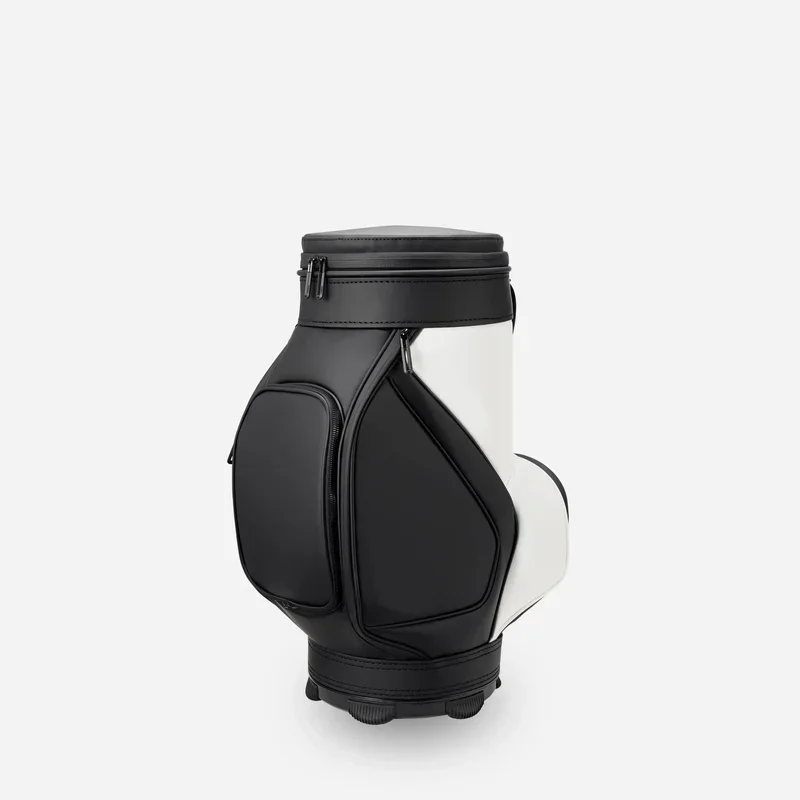
There comes a point on every multi-day trip where the weight of your pack stops being an abstract number and becomes a physical reality — every step a negotiation with gravity, every rest stop a relief that you barely earned. For loads above 30 pounds, the difference between a good pack and a bad one is not marginal. It is the difference between enjoying the journey and simply enduring it.
This guide covers six backpacks engineered specifically for carrying heavy loads comfortably. We evaluate each on the criteria that matter most when the weight goes up: frame type, suspension quality, hip belt performance, ventilation under load, and the weight of the pack itself. Every recommendation is based on real-world testing with 30 to 55 pound loads over multi-day trips.
What Changes When You Carry 30+ Pounds?
Carrying 30 or more pounds fundamentally changes the biomechanics of walking. Your centre of gravity shifts backward, your posture adjusts forward to compensate, and the forces on your knees, hips, and spine increase by 50 to 100 percent compared to unloaded walking. At these weights, small differences in pack design become major differences in comfort and fatigue.
At these load levels, the frame becomes non-negotiable. Frameless packs, ultralight shoulder straps, and minimalist hip belts — all excellent choices for loads under 20 pounds — become liabilities. You need rigid load transfer, wide contact surfaces, and padding that does not bottom out after four hours on trail.
Key Factors for Heavy-Load Backpack Selection
Frame Type
The frame is the backbone of any heavy-load pack. There are three main types:
- Internal frames: The most common type, using aluminium stays (flat or curved) embedded inside the pack body. They sit close to your back, transferring load efficiently while allowing freedom of movement. Most modern heavy-load packs use internal frames.
- External frames: A separate frame structure that the pack bag attaches to. They offer the best ventilation and most rigid load transfer but add weight and bulk. Less common today but still used in some expedition and military packs.
- Hybrid frames: Some packs use a combination of a partial frame and a structured back panel. These offer a middle ground between weight and rigidity. The Fjallraven Kajka uses a wooden frame that provides excellent vibration dampening.
Suspension System
The suspension system is how the pack manages the interface between the frame and your body. At heavy loads, the suspension must:
- Transfer weight from the shoulder yoke to the hip belt without loss
- Allow the hip belt and shoulder harness to move somewhat independently as your body moves
- Maintain consistent contact with your back without creating pressure points
- Resist deformation under load — a suspension that flexes too much wastes energy as the pack bounces
Hip Belt Quality
At 30+ pounds, the hip belt is doing the majority of the work. Look for:
- Width: A wide belt (4 inches or more at the buckle) distributes force across a larger surface area of your iliac crest
- Padding density: Dual-density foam — a soft outer layer over a firm core — provides comfort without bottoming out
- Shape: Contoured or pre-curved belts that match the angle of the hip bone are more comfortable than flat belts
- Buckle quality: Metal or reinforced polymer buckles that lock securely and do not slip under load
Ventilation Under Load
Every pack ventilates better unloaded. The question is how well it ventilates when the back panel is compressed against your body by 35 pounds of gear. Suspended mesh systems lose some airflow efficiency under heavy loads because the mesh stretches and the gap narrows. Foam ridge and channel systems maintain their structure better because the foam does not deform as much.
Pack Weight vs Carry Comfort
There is an inherent tension between the weight of the pack itself and its ability to carry heavy loads comfortably. More structure, more padding, and a more robust frame all add weight. The general rule:
- Under 1.5 kg (3.3 lbs): Light but may lack structure for 40+ lb loads
- 1.5 to 2.0 kg (3.3 to 4.4 lbs): Good balance of weight and structure
- 2.0 to 2.5 kg (4.4 to 5.5 lbs): Maximum load support, but you are carrying more dead weight
The 6 Best Backpacks for Heavy Loads
1. Gregory Baltoro 65
The Gregory Baltoro 65 is widely regarded as the gold standard for carrying heavy loads over multiple days. Its Response A3 suspension system is the key differentiator: the hip belt, shoulder harness, and frame all pivot independently, allowing the pack to adapt to your body's movements rather than fighting them. When you are carrying 45 pounds over rough terrain, this adaptive system reduces the muscular effort required to stabilise the load.
The frame uses dual aluminium stays that are contoured to follow the natural S-curve of the spine. These stays are heat-mouldable, allowing you to customise the curve to your back shape. The hip belt uses LifeSpan EVA foam that Gregory claims retains its shape three times longer than standard EVA. In our testing, after 50 hours of loaded hiking, the belt padding showed minimal compression.
- Capacity
- 65 litres
- Pack weight
- 2.29 kg (5.05 lbs)
- Frame type
- Internal dual aluminium stays, heat-mouldable
- Suspension
- Response A3 with pivoting hip belt and shoulder harness
- Max comfortable load
- 50 lbs (23 kg)
- Hip belt
- Auto-angle, LifeSpan EVA foam, contoured
- Ventilation
- Progressive foam back panel with channel ventilation
- Price
- Approximately £280
Pros
- Best-in-class adaptive suspension for heavy loads
- Heat-mouldable stays customise frame to your spine
- Auto-angle hip belt adapts to hip shape automatically
- LifeSpan foam resists compression over long trips
- Handles 50 lbs with the stability most packs manage at 35 lbs
Cons
- Heavy at 2.29 kg — adds to total carry weight
- Channel ventilation less effective than suspended mesh in heat
- Premium price at approximately £280
- Large footprint may be excessive for trips under 3 days
2. Osprey Aether 65
The Osprey Aether 65 combines the load-carrying muscle of a dedicated heavy-load pack with Osprey's proven suspension engineering. Unlike the Atmos AG (which uses suspended mesh), the Aether uses an AirScape back panel — a ridged foam system that provides structured load support while maintaining moderate airflow. This makes it the best ventilation option for hikers who need to carry heavy loads in warm conditions.
The Aether's frame uses a LightWire alloy stay that is lighter than traditional aluminium but still rigid enough for 45-plus pound loads. The hip belt is substantial — 5 inches wide at the buckle with dual-density foam that includes a firmer inner layer for load support and a softer outer layer for comfort. The Fit-on-the-Fly system allows you to adjust both hip belt angle and torso length without tools.
- Capacity
- 65 litres
- Pack weight
- 2.10 kg (4.63 lbs)
- Frame type
- Internal LightWire alloy stay
- Suspension
- Anti-Gravity with AirScape back panel
- Max comfortable load
- 45 lbs (20 kg)
- Hip belt
- Fit-on-the-Fly, dual-density, 5-inch wide
- Ventilation
- AirScape ridged foam with vertical channels
- Price
- Approximately £260
Pros
- Best ventilation among heavy-load packs (AirScape system)
- LightWire alloy frame balances rigidity and weight
- Fit-on-the-Fly hip belt allows on-trail adjustments
- 5-inch wide belt provides excellent weight distribution
- Lighter than the Baltoro despite similar load capacity
Cons
- Max comfortable load is 45 lbs vs 50 lbs for the Baltoro
- AirScape ventilation less effective in extreme humidity
- Frame flexes slightly at loads above 45 lbs
- Fewer external attachment points than some competitors
3. Deuter Aircontact Pro 70
When your load exceeds 50 pounds and you are heading into the backcountry for a week or more, the Deuter Aircontact Pro 70 is the pack that most experienced expedition hikers reach for. It is not the lightest, the most ventilated, or the most attractive pack on this list. What it is is the most capable of carrying extreme loads comfortably for extended periods.
The Aircontact Pro uses Deuter's VariQuick torso adjustment system (the same tool-free system found on the Aircontact Lite, but built to handle heavier loads) combined with a robust internal frame and the X-Frame load transfer system. The X-Frame uses two crossed aluminium stays that create a structural triangle, distributing load from the shoulders to the hip belt through the most efficient path possible.
What sets the Aircontact Pro apart is its hip belt. At 6 inches wide with triple-density foam, it is the most substantial belt on any pack in this guide. The three foam layers — soft against the skin, medium for pressure distribution, and firm against the frame — create a belt that remains comfortable even after 10 hours under a 55-pound load.
- Capacity
- 70+10 litres
- Pack weight
- 2.65 kg (5.84 lbs)
- Frame type
- Internal X-Frame, dual crossed aluminium stays
- Suspension
- VariQuick adjustable torso + X-Frame load transfer
- Max comfortable load
- 60 lbs (27 kg)
- Hip belt
- 6-inch wide, triple-density foam, removable
- Ventilation
- Aircontact channel ventilation with mesh overlay
- Price
- Approximately £300
Pros
- Highest max comfortable load on the list (60 lbs)
- Triple-density hip belt remains comfortable at extreme loads
- X-Frame provides the most rigid load transfer available
- 80-litre total capacity with extension collar
- Tool-free VariQuick torso adjustment
Cons
- Heaviest pack on the list at 2.65 kg
- Minimal ventilation compared to mesh systems
- Expensive at approximately £300
- Overkill for loads under 40 pounds — the structure is wasted weight
4. The North Face Banchee 65
The Banchee 65 occupies a unique niche: it carries heavy loads (up to 50 lbs) while weighing significantly less than most dedicated heavy-load packs. At 1.95 kg, it is 340 grams lighter than the Gregory Baltoro and 700 grams lighter than the Deuter Aircontact Pro. For hikers who want heavy-load capability without the heaviest pack weight, this is a compelling option.
The secret to the Banchee's weight savings is its Optifit suspension system, which uses a foam ridge back panel rather than a full rigid frame. The ridged foam provides structured load support while eliminating the weight of aluminium stays. The trade-off is slightly less rigid load transfer at loads above 45 pounds, but for loads in the 30 to 45 pound range, the Banchee performs remarkably well.
The hip belt is well-padded and features The North Face's Airlight mesh, which adds ventilation where most packs have solid foam. The belt is removable for lighter trips, adding to the pack's versatility.
- Capacity
- 65 litres
- Pack weight
- 1.95 kg (4.30 lbs)
- Frame type
- Foam ridge back panel (no rigid stays)
- Suspension
- Optifit with foam ridge ventilation
- Max comfortable load
- 50 lbs (23 kg)
- Hip belt
- Padded with Airlight mesh, removable
- Ventilation
- Foam ridge + Airlight mesh hip belt
- Price
- Approximately £220
Pros
- Lightest heavy-load pack on the list (1.95 kg)
- Handles 50 lbs despite foam frame construction
- Removable hip belt adds versatility
- Foam ridge ventilation outperforms channel-only systems
- Good value at approximately £220
Cons
- No rigid frame — foam ridges flex at loads above 45 lbs
- Less structured load transfer than stay-based frames
- Shoulder straps less padded than premium competitors
- Not ideal for loads consistently above 45 lbs
5. Arc'teryx Bora AR 63
Arc'teryx approaches heavy-load pack design differently from every other brand on this list. The Bora AR 63 uses a RotoGlide hip belt system — a pivoting hip belt that rotates to follow your hip movement as you walk. Rather than a fixed belt that your body adapts to, the RotoGlide belt adapts to your body, reducing the hip friction and pressure points that develop during long carries.
The pack's frame uses a 6-series aluminium stay with a thermomouldable design, and the back panel features Arc'teryx's proprietary 3D mesh that provides both cushioning and airflow. The overall construction quality is exceptional — Arc'teryx's reputation for meticulous build quality is evident in every detail, from the reinforced stress points to the water-resistant zippers.
The Bora AR 63 is best suited for technical terrain where heavy loads and body mobility need to coexist. The RotoGlide hip belt is particularly effective on off-trail scrambles and uneven ground where your hips move in multiple planes.
- Capacity
- 63 litres
- Pack weight
- 2.25 kg (4.96 lbs)
- Frame type
- Internal 6-series aluminium stay, thermomouldable
- Suspension
- RotoGlide pivoting hip belt + 3D mesh back panel
- Max comfortable load
- 45 lbs (20 kg)
- Hip belt
- RotoGlide, pivoting, padded with dual-density foam
- Ventilation
- 3D spacer mesh back panel
- Price
- Approximately £350
Pros
- RotoGlide hip belt is unique and effective for technical terrain
- Exceptional build quality and attention to detail
- Thermomouldable stay customises to your spine
- 3D mesh back panel balances cushioning and ventilation
- Excellent on uneven and technical terrain
Cons
- Most expensive pack on the list at approximately £350
- Max load of 45 lbs is lower than Baltoro or Aircontact Pro
- Heavier than the Banchee despite lower max load rating
- Limited availability and fewer retailers in the UK
6. REI Co-op Trail 40
Not every heavy-load situation requires a £300 expedition pack. The REI Co-op Trail 40 proves that you can carry 30-plus pounds comfortably without breaking the bank. At approximately £120, it costs less than half the price of most packs on this list, and its suspension system — while not as sophisticated as the Baltoro or Aether — handles moderate heavy loads competently.
The Trail 40 uses an internal aluminium stay frame with a padded back panel and a well-designed hip belt. The belt is not as wide or as densely padded as the premium options, but it is adequate for loads in the 30 to 35 pound range. The shoulder straps feature REI's BioSync system, which uses a flexible yoke that allows the straps to move independently, reducing pressure on the traps.
Where the Trail 40 falls short is at loads above 40 pounds — the hip belt padding compresses noticeably, and the frame begins to flex. For loads between 25 and 35 pounds, however, it performs well above its price class.
- Capacity
- 40 litres
- Pack weight
- 1.47 kg (3.24 lbs)
- Frame type
- Internal aluminium stay
- Suspension
- BioSync flexible yoke + padded back panel
- Max comfortable load
- 35 lbs (16 kg)
- Hip belt
- Padded, removable, standard width
- Ventilation
- Channelled foam back panel
- Price
- Approximately £120
Pros
- Best value on the list — premium features at budget price
- Lightest pack on the list at 1.47 kg
- BioSync yoke reduces trap strain
- Removable hip belt adds versatility
- Handles 30-35 lbs well within its price class
Cons
- Hip belt padding compresses above 35 lbs
- 40L capacity limits multi-day use
- Frame flexes at loads approaching 40 lbs
- Not suitable for sustained loads above 35 lbs
Comparison Table: All Six Backpacks at a Glance
| Backpack | Capacity | Pack Weight | Frame | Max Load | Hip Belt | Ventilation | Price |
|---|---|---|---|---|---|---|---|
| Gregory Baltoro 65 | 65L | 2.29 kg | Dual aluminium stays | 50 lbs | Auto-angle, LifeSpan | Good | £280 |
| Osprey Aether 65 | 65L | 2.10 kg | LightWire alloy | 45 lbs | Fit-on-the-Fly, 5" | Very Good | £260 |
| Deuter Aircontact Pro 70 | 70+10L | 2.65 kg | X-Frame crossed stays | 60 lbs | 6" triple-density | Moderate | £300 |
| TNF Banchee 65 | 65L | 1.95 kg | Foam ridge (no stays) | 50 lbs | Padded, removable | Good | £220 |
| Arc'teryx Bora AR 63 | 63L | 2.25 kg | 6-series aluminium | 45 lbs | RotoGlide pivoting | Moderate | £350 |
| REI Co-op Trail 40 | 40L | 1.47 kg | Aluminium stay | 35 lbs | Padded, removable | Moderate | £120 |
Heavy Load Packing Tips
Even the best heavy-load pack will feel punishing if packed incorrectly. These tips apply regardless of which pack you choose:
1. Pack Heavy Items Close to Your Spine
The single most impactful packing technique is placing your heaviest items against the back panel. This positions the load's centre of gravity directly over your hips, minimising the forward lean that causes lower-back fatigue. Pack your water reservoir, food bag, or gear pouch in the centre compartment, directly against the back panel.
2. Keep the Load Dense and Central
Spread-out loads create leverage forces that pull on your shoulders. Pack items tightly together and centralised along the spine. Avoid loading the outer pockets with heavy items — these create torque that the hip belt cannot counteract.
3. Use Compression Straps
Compression straps pull the load inward toward your back, reducing bounce and preventing the load from shifting during movement. Tighten them after loading the pack and before putting it on. This is especially important for partially filled packs where there is room for items to move.
4. Distribute Weight Between Top and Bottom
While the heaviest items should be close to your back, their vertical position matters too. For most hikers, placing heavy items at mid-height (between the shoulder blades and the hip belt) creates the most balanced feel. Items that are too high pull you backward; items that are too low create a dragging sensation.
5. Use the Hip Belt Pockets Wisely
Keep frequently accessed small items (snacks, phone, map, sunscreen) in hip belt pockets. This avoids the need to remove your pack for small items, but be mindful of the weight — loading hip belt pockets with heavy items like a camera or water bottle can cause the belt to shift.
6. Adjust as You Go
Your body changes throughout the day. Muscles fatigue, clothing compresses, and straps stretch. Check your hip belt tightness every 30 to 45 minutes and re-tighten as needed. Similarly, readjust shoulder straps and load lifters when you transition between flat terrain and steep ascents or descents.
7. Take Strategic Breaks
For loads above 35 pounds, schedule a 2 to 3 minute break every 45 to 60 minutes. During the break, remove the pack and stand upright to decompress your spine. This is not just psychological relief — it allows your intervertebral discs to rehydrate and your muscles to reset.
8. Train Before You Go
If you know you will be carrying heavy loads, prepare your body in advance. Loaded training hikes (starting at 60 percent of your target weight and building up over 4 to 6 weeks) condition your back, hips, and legs for the demands ahead. Core exercises (planks, dead bugs, squats) are particularly effective for building the muscular support your spine needs under load.
Choosing Based on Your Typical Load
| Typical Load | Best Choice | Runner-Up | Why |
|---|---|---|---|
| 25-35 lbs | REI Co-op Trail 40 | TNF Banchee 65 | Lightest options that still provide structure |
| 30-40 lbs | TNF Banchee 65 | Osprey Aether 65 | Good balance of weight savings and load support |
| 35-45 lbs | Osprey Aether 65 | Gregory Baltoro 65 | Advanced suspension handles this range effortlessly |
| 40-50 lbs | Gregory Baltoro 65 | Arc'teryx Bora AR 63 | Maximum adaptive load transfer at extreme weights |
| 50+ lbs | Deuter Aircontact Pro 70 | Gregory Baltoro 75 | Only packs designed for sustained loads above 50 lbs |
The Bottom Line on Heavy-Load Backpacks
When you are carrying 30+ pounds, your pack's suspension system is not a luxury — it is essential infrastructure. The Gregory Baltoro 65 offers the best all-around heavy-load performance. The Deuter Aircontact Pro 70 is the undisputed king of extreme loads. The Osprey Aether 65 provides the best ventilation for warm-weather heavy carries. And the REI Co-op Trail 40 proves that competent heavy-load carry does not require a premium budget. Choose based on your typical load weight, terrain, and climate, and invest in proper packing technique to get the most from whichever pack you select.
For more on the components that make heavy-load packs comfortable, read our guides on sternum straps and hip belts and ventilated back panels. If back pain is a concern, our ergonomic backpacks for back pain guide covers packs designed specifically for spinal comfort.
Frequently Asked Questions
What is the maximum weight I should carry in a backpack?
The general guideline is to carry no more than 20 to 25 percent of your body weight. For a 180-pound person, that is 36 to 45 pounds. However, fit individuals who train with loaded packs can comfortably carry 30 percent or more. The key factor is not just total weight but how the pack distributes it — a well-fitted pack with a quality hip belt makes 40 pounds feel like 25.
Can a heavy-load backpack help me carry more weight comfortably?
Yes, dramatically. The difference between a budget pack and a purpose-built heavy-load pack at 40 pounds is transformative. The hip belt transfers 70 to 80 percent of the load to your hips, the frame prevents load shift, and the structured back panel maintains consistent pressure distribution. Many hikers report that upgrading their pack allowed them to carry 10 to 15 more pounds without increased discomfort.
Is it better to have a heavier pack frame for carrying heavy loads?
A more robust frame provides better load transfer and stability at heavy weights, but it also adds dead weight. The optimal choice depends on your typical load: for loads under 35 pounds, a lighter frame is preferable. For loads above 45 pounds, the extra frame weight is a worthwhile trade for the improved load transfer and stability.
How do I know if my hip belt is transferring weight properly?
The test is simple: tighten the hip belt firmly, then loosen the shoulder straps. If the pack stays in position and you can feel the weight on your hips, the transfer is working. If the pack sags or drops when you loosen the shoulder straps, the hip belt is not bearing its share of the load — tighten it more or check that it is sitting on your iliac crest, not your waist.
Should I choose a larger pack to carry heavy loads more comfortably?
Not necessarily. A larger pack does not make heavy loads more comfortable — the suspension system does that. However, a larger pack gives you more room to position heavy items optimally (close to the back panel, at mid-height). If your gear is too large for your pack and bulges outward, it shifts the centre of gravity away from your spine, making the load feel heavier.
Are external frame packs better for heavy loads than internal frames?
External frame packs offer superior ventilation and slightly more rigid load transfer. However, they are heavier, bulkier, and less stable on technical terrain. Modern internal frame packs have closed the gap in load transfer quality while offering much better mobility and a lower centre of gravity. For most hikers carrying 30 to 50 pounds, an internal frame pack is the better all-around choice.
How can I reduce the weight I need to carry for a multi-day trip?
Focus on the big three: shelter, sleep system, and pack. A lightweight tent or hammock, a down sleeping bag rated to your expected temperatures, and a lighter pack can shave 5 to 10 pounds from your base weight. Beyond that, weigh every item and eliminate duplicates. Carry a water filter instead of extra water bottles. Use multi-purpose items (a bandana that serves as towel, pot holder, and sun protection). Every ounce saved is a ounce your back does not have to carry.
Continue Your Ergonomics Deep Dive
Carrying heavy loads comfortably is about more than the pack. Explore our other guides to optimise your entire carry system.