Best Backpacks for Indoor Climbing Gyms: Chalk Dust, Shoe Ventilation and Session Volume
Indoor climbing bags are defined by chalk, not weight: choose 25-35 litres with a ventilated shoe compartment of 6-9 litres, dust-resistant #8 reverse-coil zips with storm flaps, and a wipe-clean coated lining that survives magnesium carbonate.
This guide covers chalk management, shoe and harness storage, zip durability and after-work dual use at UK climbing walls, plus the ordering parameters for gym chains. Buyers specifying gym packs should plan around 500 pcs per style and colourway, 6-10 working days for samples and 35-50 days for bulk shipment.
Chalk Dust Is the Design Problem, Not the Load
A climbing session load is modest: shoes at 400-600 g, a harness at 350-500 g, a chalk bag holding 100-200 g of chalk, a brush, tape, a 750 ml drink and a change of clothes, typically 4-7 kg in total. The problem is not the weight but the contaminant. Magnesium carbonate chalk is an abrasive, mildly alkaline powder with particle sizes well under 100 microns, and it migrates: into zip chains, into lining fibres, into stitching and, over a season, into the moving parts of buckles and ladder-lock adjusters. Chalk also draws moisture, so a bag carrying a loose chalk bag will dampen everything around it, which is why sealed pouches matter more here than in any other sports-bag category.
Every specification follows from that observation. Zips need storm flaps and reverse-coil construction because an exposed #5 coil zip packed with chalk dust starts to snag within 40-60 sessions. Linings should be coated polyester rather than brushed tricot, since brushed fabric holds chalk and sweat against the shell. Chalk belongs in a dedicated sleeve rather than loose in the main cavity, and the bag should be designed to be emptied and turned out at the end of a session, not closed and thrown into a car boot. Walls selling own-brand bags should specify this in writing, because a bag that traps chalk is the most common source of complaints at reception within one season.
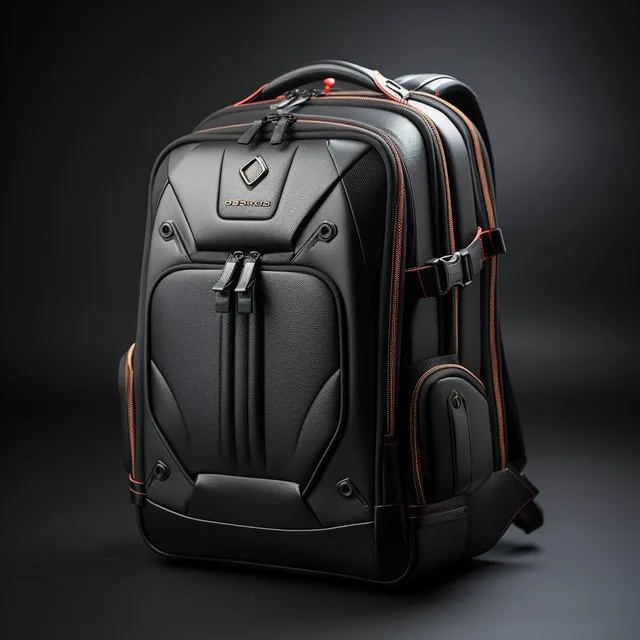
Volume: 25-35 Litres for an Indoor Session
Volume depends on discipline. A bouldering session needs shoes, chalk, a brush, tape, water and a top, which fits comfortably in 25-28 litres. Lead or top-rope sessions add a harness, a belay device, a locking carabiner and, at some walls, a 60 m rope weighing 4-5 kg, which pushes the useful figure to 30-35 litres. Ropes are better carried externally under compression straps or in a dedicated rope tarp, because a coiled rope inside the main cavity takes 6-8 litres and sits awkwardly high. Where a wall offers auto-belay only, the rope can stay at home and 25-28 litres is enough, which is why regular climbers often end up owning two sizes of bag.
| Session type | Volume | Key contents | Loaded weight |
|---|---|---|---|
| Bouldering, 2 hours | 25-28 L | Shoes, chalk, brush, tape, top | 4-5 kg |
| Lead or top-rope | 30-35 L | Adds harness, belay kit, rope | 7-10 kg |
| After-work session | 28-32 L | Adds laptop, work kit, lunch | 7-9 kg |
| Outdoor day on rock | 35-45 L | Adds rack, food, extra layers | 11-14 kg |
Two dimensions decide whether a bag works at a busy wall. External width should stay under 320 mm so the pack fits a standard gym locker and does not catch people in a crowded bag-drop area, and the base should be flat and reinforced so it stands upright on a dusty floor instead of tipping and spreading chalk across the room. Empty weight of 0.8-1.4 kg is right for this volume; more usually means padding that will hold chalk and sweat. Bouldering-specific packs can shrink to 22-25 litres, but they lose the dual-use option that most after-work climbers need for a laptop and work clothes.
Shoe Storage, Harness Space and Ventilation
Climbing shoes need the most thought of any item in the bag. A pair weighs 400-600 g, occupies 3-4 litres, and after a session the lining is damp with sweat, so a sealed pocket becomes an odour problem within a fortnight. Specify a compartment of 6-9 litres lined with coated polyester and ventilated by two 8-10 mm eyelets or a mesh panel of 200 x 150 mm, positioned at the base of the pack away from the harness and clean clothing. A drawstring shoe bag inside the compartment helps as well, keeping chalk off the liner and allowing a separate wash without soaking the whole pack.
Harnesses need space rather than a pocket. A folded harness is roughly 300 x 200 x 80 mm and should be laid flat against the back panel or hung from a webbing loop, because folding it tightly against shoes deforms the waist padding over a season. A chalk bag with a 120 mm base diameter fits a standard bottle sleeve or a dedicated 4 litre pocket. A brush of 200 mm and a roll of tape belong in a quick-access top pocket, since both are used between attempts rather than packed away. A ventilated lid or mesh face on the shoe compartment is worth more than extra padding, because airflow is what prevents the smell that ends most gym bags.
Zips and Hardware: What Chalk Destroys First
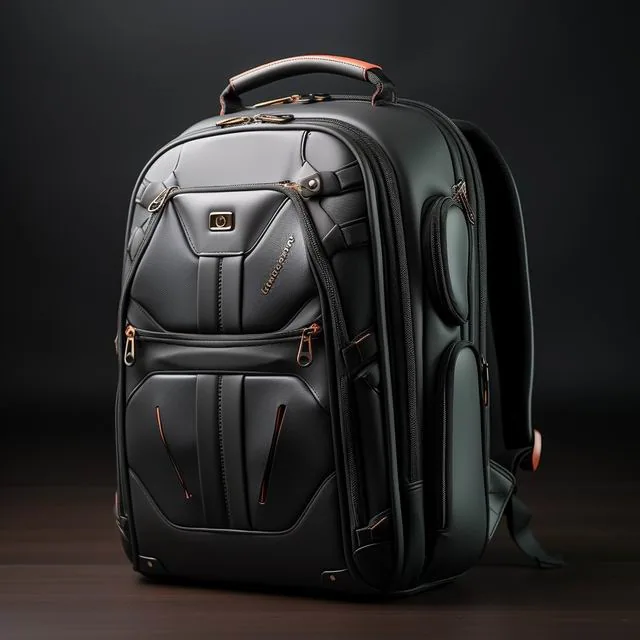
Zips fail before fabric on climbing bags. Chalk dust works into the coil, combines with sweat and forms a paste that raises slider friction until the teeth skip and the bag will not close. The specification answer is a #8 or #10 reverse-coil zip with the coil on the inside, a storm flap covering the chain, and a moulded slider with a 15 mm pull that can be worked with chalky hands. Abrasion on the tape should be checked by the Martindale method in ISO 12947, with 10,000-15,000 rubs a sensible floor. Chalk also works into the storm flap hook-and-loop, so check that the closure can be brushed clean; a flap that will not seal gives no protection at all.
Buckles and adjusters are the second failure point. Ladder-lock adjusters packed with dust stop gripping webbing, and side-release buckles stick fast, so choose hardware with open geometry that can be rinsed under a tap. Webbing should be 25 mm on compression straps with a 25 mm bar-tacked anchor, and anchor points should be reinforced with a back-tack at the start of the stitch run. Metal hardware should be anodised or coated, since bare steel rusts when a chalk-damp bag is left closed overnight. Test compression strap hardware after a rinse rather than only when new, because adjusters that grip dry webbing can slip once the webbing is damp with sweat.
Bag Drop, Lockers and the Gym Floor
Indoor walls are crowded, and bags live on the floor or in a locker rather than on a hook. That environment is dusty, occasionally wet from mopping, and subject to being kicked as people pass. A reinforced base panel of 600D-1,000D with a flat moulded or double-thickness construction keeps the bag upright and stops grit wearing through the shell. Feet or skids of 20-30 mm at the base corners lift the panel clear of the floor and cost almost nothing in weight. A wipe-clean base is the practical detail: gym floors are mopped with disinfectant, and a fabric base absorbs it and then transfers it to a car seat.
Colour and visibility matter more than styling here. A pale lining makes it possible to find black shoes or a grey chalk bag inside a dark cavity, while a dark outer shell hides floor dust between washes. Where the walk to the wall follows a road, 20-25 mm reflective piping on the front panel and straps is worth specifying for winter evenings. Finally, a hanging loop rated to 10 kg lets the bag go on a hook in a changing room instead of joining the pile on the floor. Wall operators should also specify a name panel of 80 x 40 mm, since labelled bags are far less likely to be taken by mistake during a busy evening session.
After-Work Sessions: Chalk Bag and Laptop in One Pack
Most UK indoor climbers go straight from work, which means one bag has to carry a laptop and climbing kit without either ruining the other. The workable answer is physical separation: a suspended laptop sleeve of 350 x 250 mm with 8-10 mm foam at the back, sealed from the main cavity by a coated panel, plus a shoe and chalk zone at the base. Chalk should always travel in a sealed bag inside a pocket, never loose in the main cavity. The sleeve should sit 20-30 mm clear of the base of the pack, so a bag set down hard on a concrete floor does not drive the corner of a laptop into the ground.
Packing order protects the laptop. Put shoes and chalk low, clothing and harness in the middle, and the laptop against the back panel above everything damp, then close the compression straps so nothing shifts on the walk to the wall. A separate pouch for the chalk bag and brush costs under £10 and prevents the fine dust that eventually works into keyboard and port openings. If a pack cannot keep chalk away from the sleeve, use two bags and stop experimenting. For hybrid use, choose a pack whose shoe and chalk pocket can be left open to air while the main cavity stays closed and dry on the walk home.
Fabric and Seam Specs for Indoor Walls
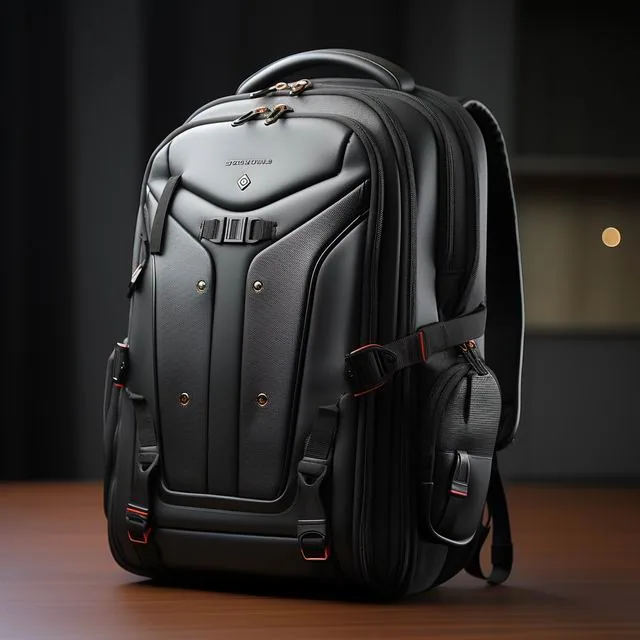
Indoor use is gentler on fabric than granite, but the combination of chalk dust, sweat and repeated dragging across a textured floor is its own test. A 420D-600D polyester shell with a PU coating handles it well, and the base should step up to 600D-1,000D. Tensile performance should be verified by the grab method in ASTM D5034, with results above 600 N in the warp direction, and seam strength checked at the strap anchors where bags actually tear rather than in the middle of a panel. Coating choice is the other variable: PU handles chalk dust better than PVC, which stiffens in cold vans and cracks at fold lines after two winters of use.
Seams and linings decide service life more than the shell itself. Strap anchors should carry a 25 mm box bar-tack with a back-tack; bound internal seams stop fraying where chalk works into raw edges; and a wipe-clean coated lining resists both dust and sweat. Where a welded compartment is specified for wet kit or a post-session shower, welded seams remove needle holes entirely and should be tested for water penetration under ISO 811 at a minimum of 1,500 mm hydrostatic head. Programmes should also specify bound or taped internal seams, because raw edges wick chalk and moisture into padding where it cannot be cleaned out.
Removing Chalk, Tape Residue and Odour
Chalk is easier to remove dry than wet, because water turns magnesium carbonate into a paste that sets into fabric and is then very hard to shift. Turn the bag out and tap it, vacuum the lining and zip chains with a brush head, then brush the coil with a dry nylon brush. Only after that should you wipe the shell with a damp microfibre cloth and a pH-neutral detergent. Avoid solvents, which strip coatings and dull printed logos after only a few cleans. Finish by brushing the storm flaps and zip garages, which trap the most dust, and check the drainage path where the bag has a welded pocket underneath.
Tape residue needs a different approach: warm soapy water softens the adhesive and a plastic scraper lifts it without damaging the coating. For odour, dry the bag open in moving air for 12-24 hours and specify an antibacterial lining finish tested to AATCC 100, which is a measurable claim rather than a marketing one. Wash the whole bag by hand at 30 °C no more than two or three times a year, rinse twice, and re-lubricate the zips afterwards because detergent strips the factory lubricant. Chalk dulls fabric over time, so accept that a climbing bag looks worn after two seasons; structural checks on zips and anchors matter far more than appearance.
Programme Notes for Gym Chains and Retail Buyers
Gym chains and retail buyers work to fixed commercial parameters. Bulk orders begin at 500 pcs per style and colourway; samples take 6-10 working days for a standard build and 12-15 working days where suspended laptop sleeves, welded compartments or branded hardware are specified. Production then runs 35-50 days, shipped FOB Xiamen on T/T 30/70 terms, with inspection at AQL 2.5 under ISO 2859-1 and zip function treated as a critical defect class rather than a minor one. Zip function earns that status because a bag that will not close is returned within weeks, whereas fabric wear takes a full season to show up in complaints.
For retail programmes, the specification that sells is chalk management, and it should be visible on the sample: storm-flapped zips, a ventilated shoe compartment and a wipe-clean lining that a customer can understand in ten seconds. Established in 2014, the operation behind QUANZHOU JUNYUAN BAGS coordinates 7 production lines and 137 colleagues across 4,950 m² of SGS-verified production floor space, which supports mixed-colourway runs for a wall's own-brand range without splitting delivery dates across sites. Walls should also plan replenishment on the same 500 pcs threshold, since re-running a colourway at short notice usually restarts the sampling clock. Chains should also hold a retained sample per colourway, so any later dispute about fabric or hardware can be settled against a physical reference.
Frequently Asked Questions
What size backpack do I need for indoor climbing?
Bouldering sessions fit 25-28 litres; lead or top-rope sessions with a harness, belay kit and possibly a rope need 30-35 litres. Keep external width under 320 mm so the pack fits a gym locker. If you carry a 60 m rope, strap it externally or use a rope tarp, since a coiled rope takes 6-8 litres inside and sits awkwardly high.
Should a climbing gym bag have a shoe compartment?
Yes. Climbing shoes weigh 400-600 g and leave the lining damp with sweat, so a sealed pocket becomes an odour problem within two weeks. Specify a coated-lined compartment of 6-9 litres with two 8-10 mm eyelets or a 200 x 150 mm mesh panel, positioned at the base away from clothing and the harness so moisture does not transfer. A drawstring shoe bag inside the compartment keeps chalk off the liner and can be washed on its own without soaking the whole pack.
How do I keep chalk dust out of my bag?
Keep the chalk bag in a sealed pouch inside a dedicated pocket and never pack it loose. Choose zips with storm flaps so dust does not reach the coil, and use a coated lining rather than brushed tricot, which holds powder. Empty and turn out the bag after each session, vacuum the lining and zips dry, and only then wipe the shell with a damp cloth.
Will chalk dust damage zips?
Yes, and zips usually fail before fabric. Chalk combines with sweat into a paste that raises slider friction, and an exposed #5 coil zip can start skipping within 40-60 sessions. Specify #8 or #10 reverse-coil zips with storm flaps and moulded sliders with 15 mm pulls, then brush the chain dry and re-lubricate with a wax stick every few weeks.
Can I carry a rope in a climbing gym backpack?
A 60 m rope weighs 4-5 kg and occupies 6-8 litres coiled, which few 30 litre packs can take without pushing the load high and away from the spine. Most indoor walls supply ropes, so check first. Where you must carry one, use external compression straps or a rope tarp, and keep the rope low so the centre of gravity stays close to your back.
How much should a climbing pack weigh empty?
Between 0.8 and 1.4 kg for a 25-35 litre pack built on 420D-600D polyester. Below 0.8 kg the base and lining are usually too light for dusty floors; above 1.6 kg the padding is likely to hold chalk and sweat. Prioritise a reinforced flat base, storm-flapped zips and a wipe-clean lining over extra foam that will only absorb moisture. Check the loaded weight with shoes and a drink: above 9 kg on an after-work session, splitting kit into two bags is more comfortable than buying a bigger pack.
Is it safe to carry a laptop with chalk in the same bag?
Only with real separation. Use a suspended sleeve of 350 x 250 mm with 8-10 mm foam sealed behind a coated panel, keep chalk in a sealed pouch at the base, and pack the laptop last against the back panel. Fine dust eventually reaches keyboard and port openings, so if a pack cannot isolate the two, carry a second small bag.
What fabric resists chalk and wall abrasion best?
A 420D-600D polyester shell with a PU coating is the practical answer: it wipes clean, dries quickly and resists the alkaline dust. Use 600D-1,000D on the base panel. Verify abrasion with ISO 12947 at 10,000-15,000 rubs and grab strength above 600 N under ASTM D5034, and insist on bound internal seams so dust cannot work into raw edges. Bound internal seams stop dust working into raw edges, which is exactly where linings start to fray and where repairs become impossible.
What is the minimum order for branded climbing gym bags?
Wholesale gym bag orders begin at 500 pcs per style and colourway. Sampling takes 6-10 working days, or 12-15 working days with suspended laptop sleeves or welded compartments, followed by 35-50 days of bulk production. Shipment is FOB Xiamen on T/T 30/70 terms with inspection at AQL 2.5 under ISO 2859-1, and zip function is treated as a critical defect. Replenishment orders on the same colourway should be raised early, because re-runs at short notice restart the sampling clock and delay delivery.
How long does sampling take for a custom gym pack?
A first sample takes 6-10 working days for a standard build and 12-15 working days where bespoke sleeves, branded hardware or welded compartments are specified, then 35-50 days for bulk after approval. Freight and UK inland delivery add 10-14 days, so a wall launching its own-brand range should raise the order about three months ahead. A second sample round adds 6-10 working days, so a wall launching an own-brand range should allow roughly four months from first enquiry to shelf.
How do I clean a chalk-covered backpack?
Clean it dry first: turn the bag out, tap it, then vacuum the lining and zip chains with a brush head and brush the coil with a dry nylon brush. Water turns chalk into a paste, so wipe the shell only afterwards with a damp cloth and pH-neutral detergent. Hand wash at 30 °C two or three times a year at most, rinse twice and re-lubricate the zips.
Plan a Climbing Gym Bag Range
QUANZHOU JUNYUAN BAGS works with climbing walls, gym groups and retail buyers as a sourcing and programme-management company. Share your locker dimensions, shoe compartment requirements and colourways, and the production team will return fabric options, zip specifications and a sampling plan with confirmed lead times.
Wholesale orders start at 500 pcs per style and colourway, with 6-10 working days for samples, 35-50 days for bulk, AQL 2.5 inspection and FOB Xiamen shipment on T/T 30/70 terms.
Email: service@junyuanbags.com
WhatsApp: +86 177 5002 0688