Best Backpacks for the Cornwall Coast Path: Stairs, Salt and Section Planning
A Cornwall coast pack should be 26-32 litres, carry 5-6 kg, sit stable on steep steps, and have hardware that resists salt - specify stainless or well-anodised fittings rather than plated steel, and rinse them after every walk. Airborne salt is the reason coastal bags fail young; most faults blamed on wear are actually corrosion starting inside buckles and zip sliders.
The Cornish coast also has a distinctive profile: short, steep climbs out of every cove, with cumulative ascent that surprises walkers who planned by distance alone. This guide covers that profile, the sections worth planning around, hydration on waterless clifftops and the trim specification that lasts, followed by the commercial brief used when such a range is put into development with QUANZHOU JUNYUAN BAGS.
The Staircase Profile: Distance Understates the Work
Cornwall's coast falls into coves, and every cove has a settlement at sea level. Walk twenty kilometres and you will typically climb and descend eight to twelve of those valleys, each 60-120 m from beach to clifftop. Add them up and a comparatively short day can carry 800-1,100 m of cumulative ascent - the equivalent of a substantial hill day, delivered in short bursts of very steep work rather than one sustained climb. Those numbers explain the timings: on this coast most parties cover 3.5-4 km an hour rather than the five assumed from flatter walking. Treating those climbs as repeated intervals rather than one long pull changes both pacing and hydration.
That pattern changes what a pack should do. On a long mountain ascent you want a steady, even pull; on the coast you want a load that stays put through rapid weight transfer from both feet to one foot on crafted stone steps, often wet and often cambered. Sway is punished far more here than on open fell, so compression and hip belt fit outrank raw capacity. A well-compressed 26 litre pack beats a slack 32 litre bag on every headland between Padstow and St Ives. Put simply, the coastal test for any pack is whether it stays quiet and still while you move downhill quickly on rough, uneven treads.
- Expect 60-120 m of climb out of each cove, eight to twelve times per full day.
- Cumulative ascent of 800-1,100 m is normal on a 20 km day.
- Steps are stone, often wet and irregular; stability matters more than litres.
- Plan water around settlements at sea level, not around distance covered.
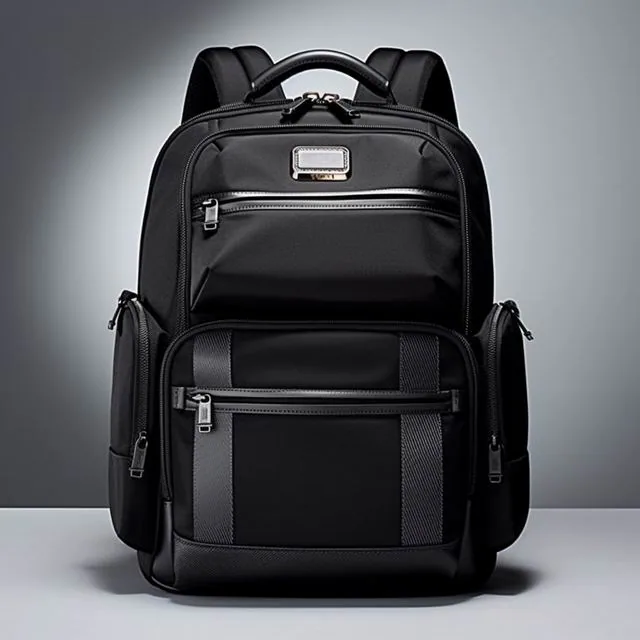
Volume and Duration by Section
Most Cornish walkers either do linear sections using buses and branch-line trains, or stay in one place and walk out-and-back legs. Linear-from-accommodation walking lets you run light - the pack only needs the day's weather kit, food and water, and accommodation handles everything else. Carrying everything between campsites pushes volumes toward 40 litres, but that is a different holiday and should not dictate the choice for the far more common day-section walker. Public transport changes the arithmetic again, because a bus-based day usually adds twenty minutes at either end and there is no car to leave spare water in. Bus and branch-line timetables, not boot grip, are what decide the length of a Cornish day.
| Typical Cornish section | Distance | Cumulative ascent | Suggested volume |
|---|---|---|---|
| St Ives to Zennor | 10 km | 500 m | 24-26 L |
| Zennor to St Just via Cape Cornwall | 19 km | 800 m | 26-30 L |
| Padstow to Polzeath and back | 13 km | 420 m | 22-26 L |
| Mevagissey to Veryan, round the Dodman | 22 km | 900 m | 28-32 L |
| Bude to Crackington Haven | 13 km | 600 m | 24-28 L |
| Any linear day with accommodation bases | 14-22 km | 500-900 m | 26-30 L |
Notice how rarely anything above 32 litres appears. That is deliberate: bigger packs encourage carrying water for the whole day, which is exactly the habit that makes Cornish climbs unpleasant. Sections run near enough to villages - most have pubs, tap refills and small shops - so carrying two litres rather than three and refilling at each settlement keeps total weight around 5-6 kg across a full-day walk. Two litres is therefore a sensible ceiling, and beyond that the extra water costs more energy leaving each cove than it returns on the climb. Weighed once at home, most people are surprised how quickly a third litre turns into an extra kilogram.
Salt: The Slow Failure Mode Nobody Plans For
Airborne salt is the defining difference between coastal and inland walking. Salt deposits settle in zip chain, buckle springs, webbing adjusters and slider bodies, then reabsorb moisture overnight and set up localised corrosion that is invisible until a buckle will not release or a slider splits. Accelerated corrosion resistance is assessed by neutral salt spray exposure, described in ISO 9227, and although pack brands rarely publish results for trim, the same chemistry governs whether hardware lasts three seasons or eight. Standardised salt spray testing exposes components continuously, whereas a coastal pack alternates wet and dry - often the more aggressive cycle of the two.
Spec accordingly and then maintain it. Look for stainless or marine-grade fittings on buckles that carry load, anodised rather than painted finishes on aluminium components, and sliders with bodies that are not obviously plated steel over a softer core. After each coastal day, rinse hardware in fresh water, paying attention to spring-loaded parts, and dry the pack with pockets open. A monthly light silicone treatment on moving parts after rinsing takes minutes and is the cheapest insurance on a coastal bag. Note any part that stiffens, since treating early pitting is far cheaper than replacing a failed strap adjuster halfway along a headland.
- Prefer stainless or marine-grade hardware for load-bearing buckles.
- Avoid bright plated finishes that pit; anodised or solid-colour resin parts last longer.
- Rinse hardware with fresh water after every coastal walk, not just when visibly salty.
- Dry with pockets and lid open so slider bodies do not sit in trapped damp.
Stability on Stone Steps and Narrow Coastal Stiles
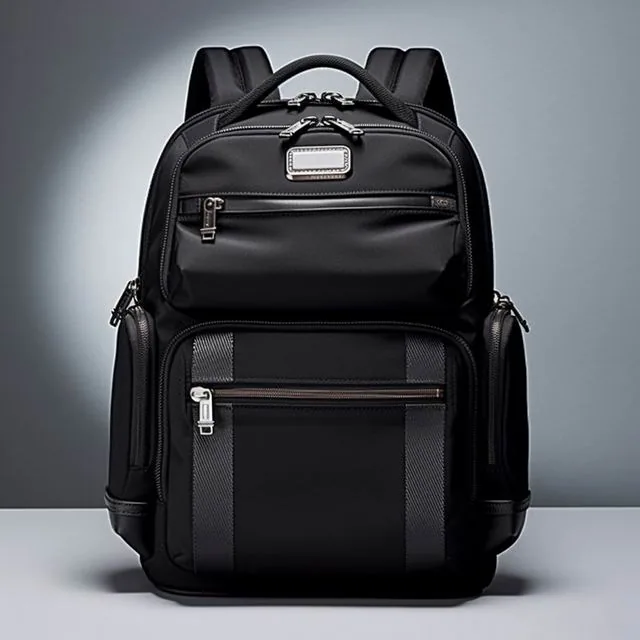
Coast steps are usually steep, occasionally single-file and frequently wet, which is precisely when a loose load is worst. The distance between your centre of mass and your feet changes every stride on those treads, so anything that swings adds a lateral impulse through your lower back. Two adjustments solve most of it: fill the pack so contents cannot settle during the day, and run side compression straps tight enough that the body holds a firm, flattened cylinder rather than a barrel. Check the result by tapping the side panels: a taut, drum-like surface means contents have stopped migrating. Contents that cannot move also cannot bruise shoulders on long descents.
Hip belt discipline matters too, and on the coast it should be adjusted while standing on a slope rather than flat ground, because most surprises happen on descents. Coastal paths also have their own squeeze points - narrow granite stiles, kissing gates and hedge gaps whose stone cheeks scrape whatever hangs outside the pack silhouette. Keeping external volume within 240 mm of depth and everything lower than mid-body clipped in means those transitions happen without removing the bag. Practise stepping through a narrow garden gate with the pack fully loaded before committing to a twenty-two-kilometre day. Both habits take seconds and remove most of the awkwardness from Cornish exits.
Fill the pack, close it, then lift it by the grab handle and shake it once. If contents shift or make noise, add clothing to the dead space and re-tighten. Then walk briskly down a flight of steps; if the pack taps your lower back on each tread, move the densest items closer to the panel and take ten millimetres of slack out of the hip belt.
Water and Heat on Waterless Clifftops
The physical pattern here is unusual: steep repeated climbs in humid air, no shade above about twenty metres, and often no fresh water between villages at sea level. Heat strain therefore arrives in people doing what looks like gentle coastal walking. Public health guidance on recognising and managing heat exposure - such as the material published by the United States Centers for Disease Control and Prevention - translates directly to route planning: drink before thirst, rest in shade at intervals, and treat headache, cramp or unusual fatigue as a reason to stop rather than push on.
Put the numbers into the plan. Carrying 2 litres covers three to four hours of hard stair work in summer; plan refills at villages roughly every 8-10 km, which is what the section spacing usually allows. Insulated bottle sleeves earn their keep because the first mouthful from a bottle that has been baking in a side pocket is unpleasant enough to reduce intake. Because the supply points sit at the bottom of every descent, top up on the way down rather than trusting the next one. Village taps are rarely obvious from the path, so mark them on the map at the planning stage rather than searching later.
Coastal Access Rights and Route Changes
The South West Coast Path is long established and well waymarked, but the legal framework around it has changed substantially in recent years. The King Charles III England Coast Path now provides continuous walking access around much of the English coastline together with associated spreading room, and sections continue to be approved, opened and occasionally varied, including stretches where the route moves inland or across the beach. Checking the official position before a multi-day trip avoids arriving at a stile with a closed notice on it. Approved diversions can also change which side of a headland you start from, which affects bus connections as much as total mileage.
Details sit in the government collection on the King Charles III England Coast Path, which publishes current route proposals, approved sections and any temporary restrictions. For pack specification the practical consequence is modest but real: routes change, diversions add distance, and some spreading room crosses soft or downland ground, so carry slightly more water than the map distance suggests and keep navigation tools accessible rather than buried at the bottom of the bag. The corollary for buyers is that flexibility beats tight specification: a pack swallowing one extra litre without complaint is more useful than one optimised to the gram.
End-of-Day Logistics: Lane Walking and Visibility
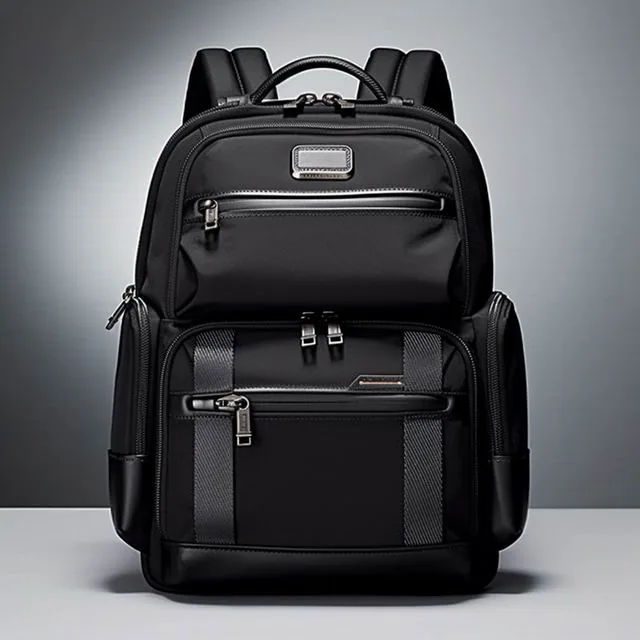
Cornish walking almost always ends with a lane. Bus stops and car parks connect to the path by single-track roads with high hedges, no verges and low light in autumn, and walkers are often on those lanes later than planned. A pack therefore carries two small but real responsibilities: keeping reflective area visible from behind at driver eye height, and having a lamp mount or loop so a light can be attached rather than handheld while you check a timetable. Those lanes are also why many coastal walkers carry a small lamp even in September, because the last twenty minutes frequently happen after sunset.
That argues for specific features over generic ones. Reflective panels should be on the trailing face and the shoulder straps, not only around the base, because drivers see the top third of the silhouette first. External attachment loops near the shoulder let you clip a flashing light without covering controls. Finally, a pack that stands upright when set down is genuinely useful at a bus stop on wet ground, and a structured base with a slight forward lean does that more reliably than a soft sack. A wipe-clean base earns its keep in exactly that situation, since a bus-stop floor in November is rarely clean.
Coastal Specification: What to Write Down
Because corrosion, not abrasion, is what tends to retire Cornish packs, this spec sheet leans toward trim and finish rather than denier alone. All of it is checkable in a shop: hardware can be tested with a magnet, finish quality by looking for pinholes in plating, and drainage by tipping a litre of water into each pocket. Anything failing these checks will probably be acceptable inland and marginal in Cornwall. Ask directly about hardware material rather than finish colour; staff rarely volunteer it, yet it decides whether a bag lasts three coastal seasons or eight. Coastal conditions then grade everything else on the list into second place.
| Parameter | Target for Cornish coast walking |
|---|---|
| Volume | 26-32 L for section walking, carried at 5-6 kg |
| Buckles under load | Stainless or marine-grade; test with a magnet before purchase |
| Zip sliders | Resin body or anodised finish, with covered garages at each end |
| Aluminium parts | Anodised, not painted; check for pit marks after first season |
| Side pockets | Drainage grommet plus insulated sleeve for one bottle |
| Reflective detail | On trailing face and shoulder straps, not base only |
| Base | Structured enough to stand upright at a bus stop |
| Maintenance access | Hardware reachable for fresh-water rinsing |
One trade-off is worth stating plainly. Fully waterproof constructions using TPU laminates and coated chains resist rain better than anything else, but if hardware choices are not upgraded at the same time, the salt will still be what ends the pack's life. Spending budget on stainless load-bearing buckles usually delivers more coastal longevity than spending the identical amount on a higher hydrostatic head figure. Put differently, the choice is not between wet and dry but between replacing trim and replacing nothing, so budget should follow the failure mode that actually ends coastal packs early. Buyers notice that difference in the third season rather than in the shop.
Putting a Coastal Line Into Development
Coastal ranges sell on colour, story and corrosion resistance in that order, and the specification maps cleanly onto a two-SKU launch: a 26 litre day section pack and a 32 litre long-section version sharing one trim set. Commercial terms start from 500 pcs per style and colourway. Prototypes are turned around in 6-10 working days for an existing construction, extending to 12-15 working days when the design calls for a new back panel moulding or bespoke hardware tooling. Running both SKUs on one trim schedule allows a single hardware purchase and removes the risk of a component going unavailable mid-season.
Because so much of the coastal failure risk sits in trim rather than cloth, the inspection plan should reflect it. Bulk production takes 35-50 days from gold-seal approval on FOB Xiamen terms with T/T 30/70 payment; pre-shipment inspection follows AQL 2.5 as set out in ISO 2859-1, and QUANZHOU JUNYUAN BAGS adds hardware-specific checks including a salt spray cycle against ISO 9227 where the brief calls for marine environments. Programmes of this kind have been coordinated since 2014 across 4,950 m2 of SGS-verified production floor space with 137 colleagues and 7 production lines. Schedule tends to tighten when all colourways share one base fabric.
Frequently Asked Questions
What size backpack do I need for the Cornwall Coast Path?
Between 26 and 32 litres for section walking, carried at roughly 5-6 kg. That covers waterproofs, an insulating layer, 2 litres of water, food and safety kit, with refills at villages every 8-10 km. Only campers carrying overnight kit need anything larger, and even then 40 litres is plenty for the Cornish coast where every supply point sits at sea level. A 30 litre model suits most adult walkers once they have packed carefully for the first time.
Why is my backpack buckle stiff after coastal walking?
Salt crystals have formed inside the buckle or adjuster and begun corroding the spring or the barrel. Soak the affected part in fresh water for twenty minutes, work it loose, dry thoroughly and apply a light silicone treatment. Prevent it by rinsing hardware after every coastal walk - corrosion testing is standardised in ISO 9227, and the effect is much faster than inland walkers expect.
How much water should I carry on a Cornish coast walk?
Two litres covers three to four hours of repeated steep climbing in summer, and most sections pass a village roughly every 8-10 km where you can refill. Top up whenever you descend somewhere with taps rather than relying on the next settlement. Add electrolyte tablets on hot days, because losing salts through sweat on short steep climbs is common and plain water alone will not restore it.
Is the South West Coast Path harder than it looks on a map?
Usually yes. Distance understates it because you drop to sea level and climb back out at every cove, and Cornwall typically gives eight to twelve of those per full day. A 20 km day routinely carries 800-1,100 m of cumulative ascent, delivered in steep bursts on stone steps. Plan by ascent and time rather than kilometres, and expect to walk closer to two kilometres per half hour over this terrain.
What is the best way to carry water on steep coastal steps?
Two 1 litre bottles balanced either side rather than a single heavy reservoir in the main body keeps the centre of gravity low and symmetrical, which matters when your feet are moving fast on uneven treads. Insulated side sleeves also reduce heat gain in midsummer. Reservoirs work well enough but make refilling at village taps slower, and refilling happens often on this coast.
Does salt damage backpack fabric as well as metal?
Fabric suffers less than trim, but coated cloth and stitching do take damage. Salt crystals held in seam channels and webbing slowly attack polyurethane backings and stiffen thread, which eventually shows as flaking near the base. Rinse the whole pack occasionally with fresh water rather than only the hardware, dry it open, and store it clean; salt left in damp storage over winter does more harm than a season of walking.
Should I choose a rain cover or an integrated waterproof pack for Cornwall?
Either works, but integrated waterproofing suits the terrain better because wind-driven rain arrives sideways across open headlands and can lift a loosely fitted cover. A 1,500 mm hydrostatic head body with a storm collar handles most Cornish weather; keep a cover for sustained downpours and for sitting the pack down on wet grass at lunch stops. Check that any cover fits over the lid collar, since many do not once the pack is genuinely full.
What should I carry for visibility on Cornish lanes at dusk?
Reflective panels on the trailing face and shoulder straps, which drivers see above the hedge line first, plus a small clip-on light carried even on short walks. Many coastal car parks and bus stops are a kilometre or more from the path along unlit single-track roads. A rear lamp mounted on the pack leaves your hands free for timetables and gates. Some walkers also add a small reflector to the base strap for visibility at low headlight angles.
How often should I rinse my pack after coastal use?
After every coastal walk, however short. Focus on zip chain, buckle springs and adjuster barrels, then dry the pack with pockets and lid open so trapped damp does not sit against metal parts. Once a month through a heavy walking season, add a light silicone treatment on moving hardware. Ten minutes of maintenance roughly doubles the working life of trim in coastal conditions.
Is a hip belt worth using on coastal day walks?
Yes, especially for descents. Stone steps transfer load abruptly through your knees and lower back, and a fitted hip belt taking 20-30% of a 5-6 kg load keeps the pack from levering sideways on cambered treads. Adjust it while standing on a slope rather than flat ground, because that is where the belt actually has to work. Re-check the belt at each cove, because layers come off and go back on every time you climb.
Can I use the same pack for Cornwall and inland hill walking?
A 28-30 litre pack with clean external lines does both well, provided hip belt adjustment covers winter layers and the base is not so deep that it catches on stiles. After coastal trips rinse the hardware, which is the only extra step. What differs is not the bag so much as the maintenance: identical packs last noticeably longer inland than they do on the coast.
What does it take to launch a private-label coastal walking range?
Development starts at 500 pcs per style and colourway, with first samples in 6-10 working days for an existing construction and 12-15 working days where new mouldings or bespoke hardware tooling are involved. Bulk runs 35-50 days after gold-seal approval, FOB Xiamen against T/T 30/70, inspected to AQL 2.5 under ISO 2859-1, with optional salt spray checks against ISO 9227 for marine briefs.
Specify a Coastal Range That Survives Salt
Coastal packs fail at the trim long before they fail at the cloth, so the useful brief is a hardware schedule: stainless load-bearing buckles, anodised aluminium, covered zip garages, drainage everywhere. Add a colour story and target retail price and both SKUs can be costed from one shared trim set.
QUANZHOU JUNYUAN BAGS coordinates that development, from tech pack to gold seal, with sampling in 6-10 working days and 12-15 for complex builds, minimum 500 pcs per style and colourway, bulk 35-50 days, FOB Xiamen, T/T 30/70 and inspection to AQL 2.5.
Email: service@junyuanbags.com
WhatsApp: +86 177 5002 0688