Bellroy vs Peak Design Backpacks: Architecture, Carry and Value After Three Years
The honest summary: Bellroy designs fixed slots around the things people actually carry, while Peak Design builds configurable space around whatever you happen to need that week. Both sit between roughly £130 and £320 in the UK for 20-30 litre bags, both use recycled face fabrics, and both cut a clean silhouette in an office. The difference shows up twice a day, in how long it takes to find your keys and how the bag balances when it is full.
This comparison is aimed at UK commuters and at anyone developing a minimalist range, so it goes past appearance. It covers internal architecture, laptop sleeve geometry with real millimetre clearances, what each shell does in sustained British rain, strap behaviour at realistic loads, warranty length and resale position, and finally how those decisions translate into a private-label specification that can actually be produced at scale.
Fixed Slots Against Configurable Space
Bellroy's approach is to design a home for each object: a pen loop set at a specific angle, a slip pocket sized for a passport rather than generously oversized, a zipped mesh panel for cables, and a dedicated external pocket for sunglasses. Every one of those decisions removes a daily decision from the user. The cost is rigidity, because anything outside the intended set has nowhere sensible to go, and the bag becomes less useful the moment your routine changes from laptop plus lunch to laptop plus camera plus gym kit. Rigidity stops being a flaw the moment your routine genuinely never changes.
Peak Design leans toward configurable volume, with internal space that can be subdivided, folded or left open depending on the day. The benefit is obvious on travel days and for anyone whose kit changes hourly; the cost is that configurability has to be paid for in hardware, stiffer panels and grams. There is also a behavioural cost: an open box rewards tidiness and punishes anyone who drops things in loose. People who like pouches love it, while people who do not end up with a bag containing one large rumple. The honest test is whether you already own at least two pouches.
| Daily pattern | Better match | Reason |
|---|---|---|
| Laptop, notebook, lunch, charger | Fixed-slot design | Every item already has a home |
| Camera or mixed kit most days | Configurable design | Internal volume can be re-shaped |
| One bag for office and travel | Configurable design | Absorbs a change in load type |
| Strictly commuter, no deviation | Fixed-slot design | Faster access, fewer decisions |
| Frequently loses small items | Fixed-slot design | Dedicated pockets reduce rummaging |
Laptop Sleeve Geometry and Real Protection
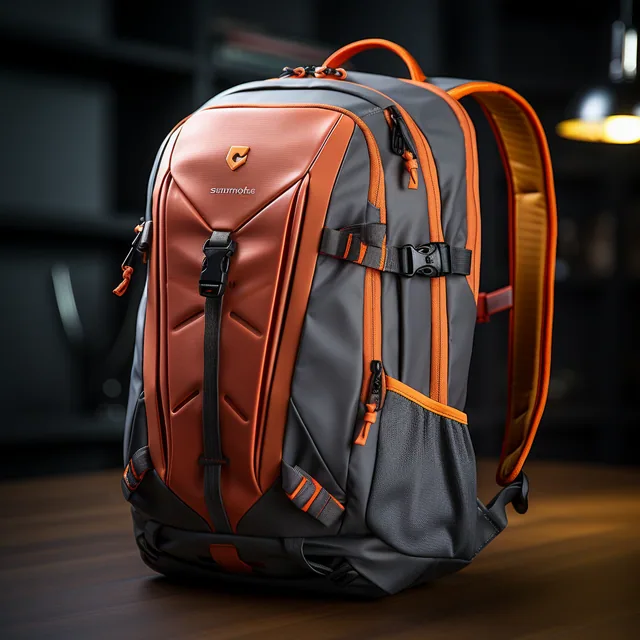
Protection is a geometry problem before it is a padding problem. A 16-inch laptop measures roughly 355 by 250 mm, so the sleeve needs internal clearance of at least 5-8 mm on each edge for easy entry and something like 15-20 mm of compressible material below it. The crucial detail is the suspended bottom edge: if the sleeve is stitched directly into the base seam, the laptop rests on the floor every time the bag is set down, and drop energy goes straight into the corner of the chassis. Checking that seam takes five seconds on any shop floor. Machines flex, screens crack, and none of that shows up in a specification sheet.
Both of these brands do this competently, with sleeves that stop short of the base by roughly 20-30 mm and use medium-density foam rather than thin spacer mesh, but they differ in how much else shares that space. A sleeve that sits against the back panel with nothing between it and the wearer protects the machine and hurts nobody; one that shares a panel with water bottles or cables puts pressure on thin laptop lids. Check for that before buying, particularly with 14-inch machines where a loose sleeve allows movement of more than 10 mm. Movement is what eventually polishes edges and loosens hinges.
- Sleeve internal clearance should be 5-8 mm per edge beyond the stated laptop size.
- Look for a suspended bottom edge of roughly 20-30 mm above the base seam.
- Medium-density foam protects better than very soft foam, which bottoms out instantly.
- Nothing rigid should share the sleeve panel with the laptop.
- A 14-inch laptop in a 16-inch sleeve moves enough to mark the lid over time.
Materials, Trims and What Age Does to Them
Both ranges use recycled or partly recycled woven shells with a water-resistant finish, typically somewhere between 200 and 900 denier depending on position on the bag, and both apply different treatments to different panels rather than one material everywhere. Bellroy's signature is soft-touch woven fabric paired with leather trim at pull tabs and zip garages, which feels excellent in the hand and develops a patina that most owners like. Peak Design tends toward coated nylon shells with more structure and less decoration, which reads more technical and slightly less office-friendly. Both choices suit different wardrobes rather than different quality tiers.
Ageing behaviour separates them more than specification. Leather trim darkens, softens and can mark clothing in the first few weeks with dark dye transfer if the leather is wet; bonded or coated trims do not age visually at all, though they can peel at high-flex points after several years. Neither outcome changes function, though both change how the bag reads in meetings. Coated shells lose their factory finish after roughly 20-40 washes or one hard winter, at which point reproofing at £6-£10 restores most of the performance. Any printed or heat-applied branding on either shell will outlast the durable water-repellent finish by several years.
Carry Comfort at Realistic Commuter Loads
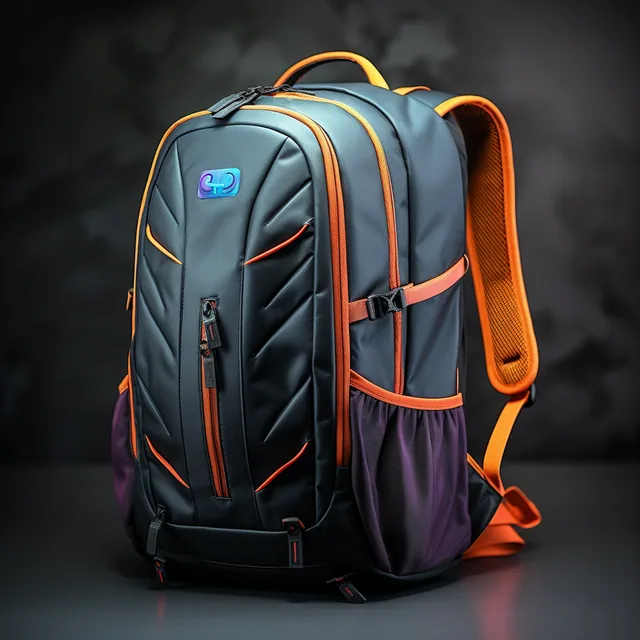
Neither brand builds a load-hauling harness, and neither needs to. A commuter load sits between 4 and 8 kg most days, occasionally reaching 10 kg with a laptop, charger, lunch, bottle, waterproof and gym kit. At that weight the requirements are simple: straps wide enough at 45-60 mm to spread pressure, enough foam to avoid edge digging, a sternum strap if the commute includes walking more than twenty minutes, and a back panel shaped to match the spine rather than flat against it. Strap edge finishing influences comfort far more than thickness alone. Bound edges dig less into shirts after an hour on foot than raw cut webbing ever does.
Above roughly 8 kg, structural reality sets in and both silhouettes begin to show limits, because neither carries a padded hip belt and therefore every gram lands on the shoulders. Shoulder loading below 10-15% of body weight is generally acceptable for short periods, and anyone routinely carrying more should be looking at the same principles that the HSE musculoskeletal disorders guidance applies to workplace load carriage. Practical advice: if your daily load regularly exceeds 8 kg, choose whichever of these fits your back better under weight rather than whichever looks better empty. Try each option loaded to your real daily weight before committing to it.
British Rain, Reflectivity and the Commute Itself
A UK commute is harder on a bag than a weekend away: fifteen minutes of horizontal rain on a bike, salt film in winter, grit in a Tube carriage, then a radiator that dries everything too quickly. Neither of these brands is genuinely waterproof in the dry-bag sense; both are water-resistant to the point of protecting contents through about thirty to sixty minutes of moderate rain, provided the zips are not being stretched by an over-full bag. Overpacking is the most common cause of avoidable water ingress complaints. Anything longer needs a cover or a liner. Salt film from winter roads also deserves a wipe down before it starts etching metalwork.
Reflectivity deserves specific attention in this category because these bags are deliberately low-key. Reflective piping, a reflective panel behind a flap, or a detachable light loop gives meaningful visibility gain on dark winter roads at little weight cost. Cyclists will also notice that narrower-body bags keep their centre of gravity closer to the spine and interfere less with shoulder checks than wide travel-style packs. Finally, check where damp kit goes: a base compartment or an external wet pocket keeps a wet jacket away from documents and electronics. A plastic bag achieves the same separation but never dries anything afterwards. Ventilated external pockets handle that job better and weigh almost nothing.
What Actually Fits: A Capacity Reality Check
Volume claims are honest enough within each brand and not comparable across them, since one measures to the base of the collar and another includes every pocket. Rather than relying on litres, measure your own kit. A standard UK commute set comprising a 14-inch laptop, charger, A4 notebook, lunch box, 500 ml bottle and a packable waterproof needs about 14-18 litres; adding gym kit moves that to 22-26 litres, and adding a second screen or camera body pushes past 30 litres. Measure the actual pile on a table rather than trusting any catalogue photograph. Add five litres of slack, since every list of intentions eventually acquires an extra item.
Shape matters as much as total volume. A tall narrow bag carries more comfortably on a crowded train and fits under an aeroplane seat, while a wide flat panel-loader slides under a desk and holds its shape when half empty. A roll-top adds adjustable capacity of 4-8 litres at the cost of thirty seconds of faff every time you open it. Decide whether you want a bag that is easy to carry on the way in or easy to open once you arrive, because budget depth usually forces a compromise between the two. Panel-loaders usually win when the bag lives under a desk all day.
| Kit set | Volume needed | Notes |
|---|---|---|
| Laptop, notebook, lunch, bottle | 14-18 litres | The true commuter baseline |
| Above plus gym kit or shoes | 22-26 litres | Needs a separate base compartment |
| Above plus camera body or second screen | 30-35 litres | Consider a structured panel-loader |
| One-bag travel for two nights | 28-34 litres | Check against cabin dimensions first |
Warranty Length, Repairs and Second-Hand Value
Warranty terms differ enough to matter at this price point. One promotes a multi-year manufacturing warranty measured in single digits of years; the other promotes a lifetime-style guarantee against defects, which is a meaningful difference if the bag is used daily for a decade. Both routes in practice require evidence of purchase and both are handled by the retailer or through an online claim form, typically resolved in two to six weeks. Neither covers ordinary abrasion, and neither covers damage caused by overloading beyond design intent. Clear photographs at claim time shorten that conversation considerably. Clarity about exclusions at the till saves arguments eighteen months later.
Resale follows those terms closely. Urban-commute bags from the longer-guarantee brand tend to hold around 40-50% of retail after three years, against roughly 30-40% for otherwise comparable items with shorter cover, assuming clean condition and honest grading. Replacement parts are the practical lever: standard #8 and #10 sliders cost £3-£8 and restore most zip complaints in ten minutes, whereas proprietary hardware that needs a branded spare part can turn a minor failure into a claim rather than a five-minute fix. Ask which hardware is standardised before buying rather than after something fails. That one question predicts repair cost better than any review you will read.
What Wear Actually Looks Like by Year Three
By year three of daily UK commuting, three things have typically happened. The durable water-repellent finish has largely gone from high-contact areas, so the base panel and shoulder zones start absorbing water rather than beading it. Strap foam has compressed by perhaps 10-20%, which is invisible but changes how the bag settles on the shoulders. And hardware has dulled or picked up fine scratches, particularly on magnetic closures and metal zip pulls where they knock against desk edges all day. None of those three effects shortens service life in any meaningful way. They do explain why a bag can look tired while still carrying everything perfectly well.
The failures worth watching for are more specific. Delamination of internal coatings shows as flaking inside pockets and usually arrives after consecutive damp winters rather than through use. Linings split first at the point where internal pockets meet the main body, because that junction carries the stress of everything you shove inside. And magnetic closures, increasingly common on commuter bags, can lose strength or pick up debris; check that any magnetic system still closes positively at year two rather than discovering it on a rainy platform. Early lining repairs are always cheaper than explaining a soaked laptop later. A local alterations shop will usually quote ten to eighteen pounds for that work.
Specifying an Equivalent Own-Brand Range
Translating either philosophy into production is mostly a question of choosing standard parts deliberately. Decide panel-by-panel where each denier goes, specify the sleeve with its clearance and suspended edge written in millimetres rather than as a laptop size, and use standard sliders and buckles so replacements exist in five years. If any electronic item is integrated, such as a power bank pocket with a pass-through port, remember that the complete product then has to satisfy product-marking rules; the government's guidance on using the UKCA marking sets out how conformity marking works for goods placed on the Great Britain market. Compliance questions cost far less to settle at design stage than after shipping.
For UK brands developing along those lines, QUANZHOU JUNYUAN BAGS coordinates programmes as a sourcing and programme-management partner established in 2014, running 4,950 square metres of SGS-verified production floor space with 137 colleagues across seven production lines. The standard terms are a minimum order quantity of 500 pcs per style and colourway. Samples take 6-10 working days, extending to 12-15 working days where complex construction is involved. Bulk production takes 35-50 days, inspection is set at AQL 2.5 under ISO 2859-1, and shipments move on FOB Xiamen terms with payment at T/T 30/70. Working backwards from those dates avoids most seasonal launch disappointments.
Frequently Asked Questions
Which is better for commuting with a 16-inch laptop in the UK?
Both work, but check geometry rather than the badge. A 16-inch machine measures roughly 355 by 250 mm, so look for 5-8 mm clearance per edge, 15-20 mm of padding beneath it and a suspended bottom edge sitting 20-30 mm above the base seam. Nothing rigid should share that panel. Above that, choose whichever bag balances better when loaded to about 8 kg on your own back.
Are Bellroy and Peak Design backpacks waterproof enough for British rain?
They are water-resistant rather than waterproof, which in practice protects contents for roughly thirty to sixty minutes of moderate rain before seams, zip areas and damp base panels begin to matter. Coated shells perform well when new and lose that finish after about 20-40 washes or one hard winter. Renewing with reproofing spray costs around £6-£10 and restores most of the original behaviour.
How much can one of these commuter packs carry comfortably?
Comfortable daily load is about 4-8 kg, reaching 10 kg occasionally with gym kit or a second device. Neither carries a padded hip belt, so everything rests on the shoulders, and keeping below roughly 10-15% of body weight avoids the shoulder and neck complaints that appear after long commutes. Above 8 kg regularly, fit matters far more than which of the two brands you picked.
Which backpack holds its value better second-hand in the UK?
The longer-guarantee model generally holds around 40-50% of retail after three years, against roughly 30-40% for its rival, assuming clean condition and honest grading. Standard hardware helps too: sliders costing £3-£8 and ten minutes restore most zip complaints, whereas proprietary parts can turn a small failure into a full claim. Twelve photographs and real dimensions add another £10-£20 to the achieved price.
How long do the warranties cover these backpacks?
One brand promotes a multi-year manufacturing warranty measured in single digits of years, while the other promotes a lifetime-style guarantee against defects. Both exclude ordinary abrasion, misuse and overloading, and both usually require proof of purchase. Claims typically resolve within two to six weeks either through the retailer or online. Read the exclusion clauses rather than the headline, since that is where real cover is defined.
Do leather trims on commuter backpacks cause problems in the UK?
Leather trim ages well visually and develops a patina most owners like, but dark or undyed leather can transfer colour onto light clothing when wet, which matters during British winters. It also needs conditioning once or twice a year to stay supple. Coated synthetic trims avoid both issues, though they may eventually peel at high-flex points such as pull tabs after several years of daily use.
What volume do I need for a laptop commute with gym kit?
Plan 22-26 litres. A baseline office set of laptop, charger, notebook, lunch and a 500 ml bottle needs 14-18 litres, and adding shoes, towel and training clothes adds roughly 6-8 litres more. Look for a separate base compartment for the gym items, since anything damp sharing the main cavity will eventually reach your documents and electronics. Above 26 litres the bag stops looking minimalist on the back.
Is a roll-top better than a zip closure on a commuter bag?
A roll-top gives 4-8 litres of adjustable capacity and better resistance to driving rain, but costs around thirty seconds every time you open it and makes quick access to the bottom of the bag harder. Zip openings win on speed and organisation and lose slightly on weather performance. Commuters opening the bag repeatedly on the street usually prefer zips; travellers prefer roll-tops.
What usually fails first on a premium commuter backpack?
The finish fails long before the structure. Expect the durable water-repellent treatment to go from contact zones within two years, strap foam to compress 10-20% by year three, and internal pocket junctions to split later, because that junction absorbs the stress of everything pushed inside. Zip failures are usually slider wear rather than chain damage, and are cheap to fix with standard parts.
Do these bags have enough reflectivity for dark UK commutes?
Reflectivity is often minimal because both are styled deliberately low-key. Look for reflective piping, a panel hidden behind a flap or a light loop, and add a clip-on light for winter riding. Narrow-body bags also sit closer to the spine and interfere less with shoulder checks than bulky travel packs. For road commuting between November and February, assume you need to add visibility rather than rely on it.
Can UK brands develop their own version of this style, and at what minimum?
Yes, though design detail matters more than tooling volume. Custom programmes normally begin at a minimum order quantity of 500 pcs per style and colourway, with samples in 6-10 working days and 12-15 working days for complex constructions. Bulk takes 35-50 days, inspection sits at AQL 2.5 under ISO 2859-1, and shipments go FOB Xiamen on T/T 30/70 terms, so roughly three months should be allowed from approval.
Turning Minimalist Design Into a Producible Spec
Minimalist bags are the hardest category to specify well, because every gram of trim has to justify itself and there is nowhere to hide a bad panel layout. Writing sleeve clearances, suspended edges and hardware sizes into the tech pack in millimetres is what keeps the result close to the design intent rather than merely similar to it.
QUANZHOU JUNYUAN BAGS supports that translation work as a sourcing and programme-management partner established in 2014, coordinating 4,950 square metres of SGS-verified production floor space, 137 colleagues and seven production lines. Standard terms are a minimum order quantity of 500 pcs per style and colourway, sampling in 6-10 working days, complex builds in 12-15, bulk in 35-50 days, inspection at AQL 2.5 under ISO 2859-1, FOB Xiamen and T/T 30/70.
Email: service@junyuanbags.com
WhatsApp: +86 177 5002 0688