Ballistic Nylon vs. Regular Nylon: Backpack Showdown
Walk into any backpack shop or browse online, and you will see nylon listed as the primary material on almost every product page. But not all nylon is created equal. At one end of the spectrum sits standard nylon, the affordable workhorse found in budget backpacks. At the other end, ballistic nylon stands as one of the toughest fabrics ever engineered for consumer products.
This head-to-head comparison of ballistic nylon vs. regular nylon will help you understand the differences in construction, performance, weight, and value. Whether you are deciding between a budget-friendly commuter pack and a premium travel backpack, this guide gives you the technical knowledge to make a confident choice.
The Military Origins of Ballistic Nylon
To understand why ballistic nylon is so tough, you need to understand why it was invented. During World War II, the United States military faced a critical problem: airmen flying over enemy territory were being injured by anti-aircraft flak and shrapnel. The existing protective materials were either too heavy or too brittle to withstand the impact of small, high-velocity projectiles.
DuPont's research team, drawing on their experience with high-tenacity nylon yarns, developed a fabric that could absorb and disperse the energy of incoming fragments. The result was a thick nylon fabric woven in a 2x2 basket weave pattern using exceptionally high-denier yarns. When incorporated into flak jackets, this fabric successfully stopped many fragments and saved lives.
After the war, the fabric found a new purpose. Its extreme durability made it ideal for applications where conventional nylon fabrics failed prematurely. Luggage manufacturers were among the first to adopt ballistic nylon for consumer products. Samsonite famously used it in their premium luggage lines, and the material quickly became associated with long-lasting, high-end travel gear.
Today, ballistic nylon has transcended its military origins. It is used in premium backpacks, messenger bags, motorcycle gear, tool bags, and protective cases. While modern alternatives like Kevlar and Dyneema have surpassed ballistic nylon in pure ballistic protection, the fabric remains a benchmark for consumer-grade durability.
Understanding the Weave: Basket Weave vs. Plain Weave
The fundamental difference between ballistic nylon and regular nylon lies not in the raw material (both are made from nylon polyamide) but in how the yarns are woven together.
Plain Weave (Regular Nylon)
Standard nylon fabric typically uses a plain weave pattern, where each weft thread alternates over and under each warp thread in a simple one-over-one-under pattern. This creates a flat, tight fabric that is relatively smooth and lightweight. Plain weave nylon is used in the vast majority of backpacks, from budget school bags to premium everyday carry packs.
The plain weave is efficient to produce and creates a fabric that is strong in relation to its weight. However, the thin individual yarns (typically 420D to 600D) can abrade through relatively quickly when subjected to constant friction against rough surfaces.
2x2 Basket Weave (Ballistic Nylon)
Ballistic nylon uses a 2x2 basket weave pattern, where two weft threads pass over and under two warp threads together. This creates a thicker, more textured fabric with a distinctive checkerboard-like pattern visible on close inspection. The basket weave creates a fabric that is:
- Thicker: The doubled yarns create more material depth, providing additional protection against abrasion
- More Flexible: The basket weave structure allows slight movement between yarn groups, distributing stress across a wider area
- More Resistant to Tearing: The interlocking structure prevents tears from propagating as easily as in plain weave
- Heavier: The doubled yarns naturally produce a heavier fabric per square metre
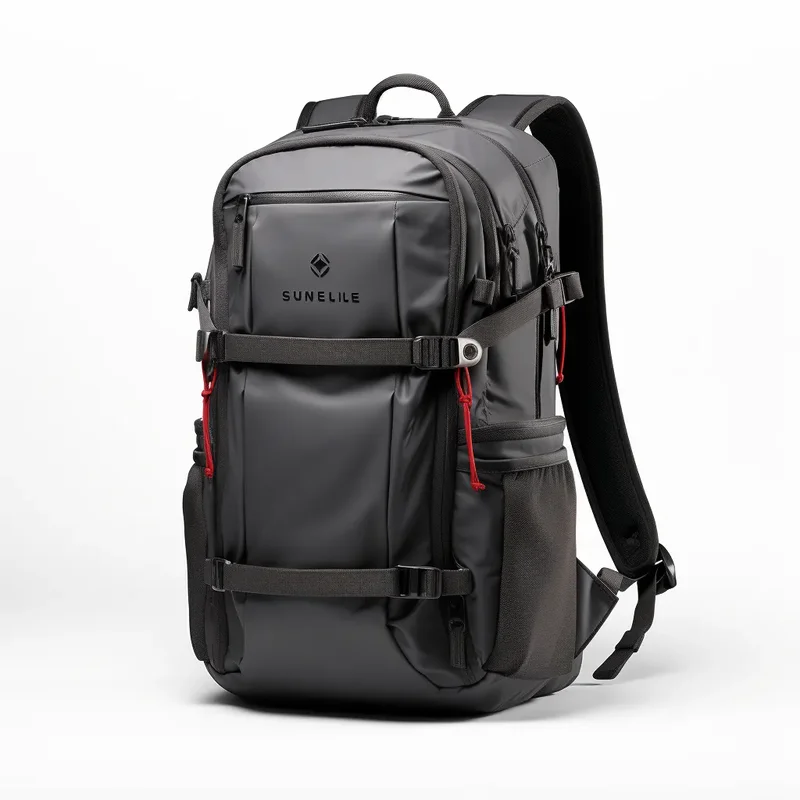
Denier Comparison: The Numbers Behind the Toughness
Denier is the unit of measurement that tells you the thickness of the yarn used in the fabric. Higher denier means thicker, heavier yarn, which generally translates to greater durability but also more weight.
Regular Nylon Deniers in Backpacks
- 210D Nylon: Very thin and lightweight. Used for packing accessories, bag linings, and ultralight packs. Low durability.
- 420D Nylon: The entry-level for quality backpacks. Adequate for light daily use and commuting. Good value for money.
- 600D Nylon: The most common mid-range backpack fabric. Offers good durability for everyday use at a reasonable weight. Found in most school bags and commuter packs.
Ballistic Nylon Deniers
- 840D Ballistic Nylon: The lighter end of the ballistic range. Still significantly tougher than 600D plain weave nylon, but with more manageable weight. Used in premium travel bags where weight is a consideration.
- 1050D Ballistic Nylon: The classic ballistic nylon specification, closest to the original WWII-era fabric. Exceptionally durable and the standard choice for premium travel backpacks and tactical gear.
- 1680D Ballistic Nylon: The heavyweight champion. Extremely thick yarns create a fabric that is virtually impervious to normal wear and tear. Used in heavy-duty luggage and premium expedition packs. The trade-off is significant added weight.
Weight Differences: How Much Heavier Is Ballistic Nylon?
Weight matters enormously in backpacks. Every extra gram on your shoulders translates to fatigue over long carries. This is where ballistic nylon's superiority in durability comes with a real trade-off.
A typical 30-litre backpack made from 600D nylon weighs approximately 0.8 to 1.0 kg for the fabric alone. The same backpack made from 1050D ballistic nylon would use fabric weighing approximately 1.4 to 1.7 kg. That is roughly 50 to 70 percent more fabric weight.
For a commuter carrying a backpack for 15 minutes each way, this difference is barely noticeable. For a hiker carrying a pack for 8 hours on a trail, every extra hundred grams adds up. This is why ballistic nylon is rare in hiking backpacks, where weight optimisation is critical, but extremely common in travel backpacks, where durability against baggage handling outweighs weight concerns.
Abrasion Testing: The Real-World Durability Gap
Lab testing provides the most objective comparison between ballistic nylon and regular nylon. The Taber Abrasion Test (ASTM D3884) and the Wyzenbeek Test (ASTM D4157) are the two most common methods for measuring fabric abrasion resistance.
In Taber testing, a weighted abrasive wheel rotates against the fabric under controlled conditions. The number of cycles until the fabric shows visible wear or structural failure is recorded. Results consistently show:
1050D Ballistic Nylon: Typically withstands 20,000 to 40,000+ Taber cycles before failure
600D Plain Weave Nylon: Typically withstands 3,000 to 8,000 Taber cycles before failure
420D Plain Weave Nylon: Typically withstands 2,000 to 5,000 Taber cycles before failure
This means ballistic nylon can last approximately 3 to 7 times longer than standard 600D nylon under equivalent abrasion conditions. In real-world terms, a backpack that shows significant wear after 2 years of daily use in 600D nylon might remain in good condition after 8 to 10 years in 1050D ballistic nylon.
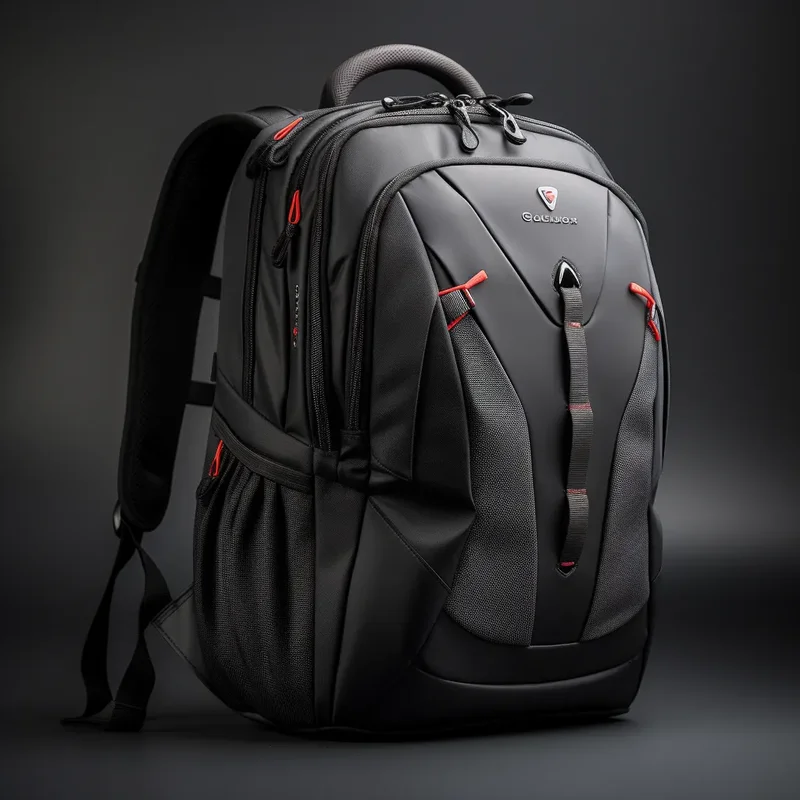
Tear Strength: Resistance to Rips and Splits
Abrasion resistance tells you how long a fabric lasts against friction, but tear strength tells you how easily a cut or puncture can propagate into a major failure. Ballistic nylon's 2x2 basket weave gives it a significant advantage here as well.
In tear strength tests (Elmendorf Tear Test, ASTM D1424), ballistic nylon consistently demonstrates 2 to 4 times greater tear resistance than plain weave nylon of comparable weight. The basket weave structure distributes stress across multiple yarn groups, preventing a single cut from easily spreading. This is particularly important in backpacks, where sharp objects in pockets, overloaded zippers, or snagging on rough surfaces can initiate tears.
Head-to-Head Comparison Table
| Property | 1050D Ballistic Nylon | 1680D Ballistic Nylon | 600D Regular Nylon | 420D Regular Nylon |
|---|---|---|---|---|
| Weave Pattern | 2x2 Basket Weave | 2x2 Basket Weave | Plain Weave | Plain Weave |
| Abrasion Resistance | Very High | Exceptional | Moderate | Low-Moderate |
| Tear Strength | Excellent | Exceptional | Good | Fair |
| Weight (oz/sq yd approx.) | 14-16 oz | 18-22 oz | 7-9 oz | 5-7 oz |
| Flexibility | Moderate | Stiff | Flexible | Very Flexible |
| Surface Texture | Textured, slight sheen | Heavy textured, glossy | Smooth, matte | Smooth, matte |
| Water Resistance | Moderate (with coating) | Moderate (with coating) | Moderate (with coating) | Moderate (with coating) |
| UV Resistance | Good | Good | Good | Good |
| Cost (relative) | High | Very High | Low-Medium | Low |
| Expected Lifespan (daily use) | 8-15+ years | 10-20+ years | 2-5 years | 1-3 years |
| Best Applications | Premium travel, tactical | Heavy luggage, expedition | Daily commute, school | Light use, budget packs |
Price Premium: Is Ballistic Nylon Worth the Extra Cost?
Ballistic nylon costs significantly more than regular nylon to produce. The thicker yarns require more raw material, the basket weave pattern is slower to produce on weaving machines, and the finishing processes are more demanding. This translates to a retail price premium that typically ranges from 30 to 100 percent over comparable bags made from regular nylon.
Is the premium justified? The answer depends on your usage pattern:
When Ballistic Nylon Is Worth It
- Frequent travellers: If your backpack goes through airport baggage systems, overhead bins, and cargo holds multiple times per month, the durability advantage pays for itself quickly
- Heavy daily use: If you carry your backpack 5 to 7 days per week and expect it to last 5+ years
- Harsh environments: Construction sites, workshops, outdoor work, and adventure travel expose backpacks to abrasion that would destroy standard nylon quickly
- Long-term value seekers: If you prefer buying one expensive bag that lasts a decade over buying a cheaper bag every two years
When Regular Nylon Is Sufficient
- Light commuters: If your backpack goes from home to office and back, with minimal rough handling
- Students: Most students replace their backpacks every 2 to 3 years anyway, making the ballistic premium hard to justify
- Weight-conscious users: If you carry your backpack for extended periods on foot, the weight savings of regular nylon may be more important than maximum durability
- Budget constraints: If the price difference is prohibitive, a quality 600D nylon backpack still offers good value
How to Identify Ballistic Nylon
If you want to confirm that a backpack is truly made from ballistic nylon, look for these characteristics:
- Visible Basket Weave: Hold the fabric up to light and examine the weave pattern closely. Ballistic nylon shows a distinctive checkerboard pattern of doubled yarns, unlike the uniform grid of plain weave
- Weight: Ballistic nylon feels noticeably heavier and denser than regular nylon of similar appearance
- Glossy Sheen: Ballistic nylon typically has a distinctive smooth, slightly glossy surface compared to the matte finish of most plain weave nylons
- Stiffness: The fabric is stiffer and holds its shape more rigidly than regular nylon
- Brand Claims: Reputable brands will clearly state "ballistic nylon" in their product specifications, often specifying the denier (1050D or 1680D)
Expert Tip: Some manufacturers use the term "ballistic-style" or "ballistic-look" to describe regular nylon fabrics that merely imitate the visual appearance of ballistic nylon. Always check the actual fabric specification, not just the marketing language. Genuine ballistic nylon uses a 2x2 basket weave, not a printed or embossed pattern on plain weave fabric.
Caring for Ballistic Nylon Backpacks
Ballistic nylon is remarkably low-maintenance, which is part of its appeal. Follow these guidelines to keep your ballistic nylon backpack in excellent condition:
- Cleaning: Wipe down with a damp cloth for routine cleaning. For deeper cleaning, hand wash with mild soap and lukewarm water. Most ballistic nylon backpacks can be gently machine washed, but check the manufacturer's instructions.
- Drying: Air dry only. Never use a tumble dryer, as the heat can damage waterproof coatings and potentially affect the nylon fibres.
- Waterproofing: Reapply DWR spray treatment annually or when water stops beading on the surface. The fabric itself is not waterproof, so the factory-applied coating needs periodic refreshment.
- Storage: Store in a cool, dry place away from direct sunlight. While ballistic nylon has good UV resistance, prolonged exposure (months of direct sun) will eventually degrade any nylon fabric.
- Zipper Care: Ballistic nylon's durability means the fabric will often outlast zippers. Keep zippers lubricated with zipper wax to ensure they function smoothly throughout the backpack's long lifespan.
The Verdict: Choosing Between Ballistic and Regular Nylon
The choice between ballistic nylon and regular nylon ultimately comes down to how you use your backpack and how long you expect it to last. Ballistic nylon is the undisputed champion of durability, offering 3 to 7 times the abrasion resistance of standard nylon. It is the fabric of choice for premium travel backpacks, tactical gear, and anyone who demands maximum longevity from their gear.
Regular nylon, on the other hand, offers excellent value for everyday use. 600D nylon provides more than enough durability for most commuters and students, at a fraction of the cost and weight of ballistic alternatives. The key is matching the material to your actual needs rather than automatically choosing the most expensive option.
Frequently Asked Questions
Is ballistic nylon the same as Cordura?
No, they are different fabrics. Ballistic nylon refers to a specific 2x2 basket weave construction typically using 1050D or 1680D yarns. Cordura is a brand of air-jet textured nylon fabrics made by Invista, available in various deniers from 3D to 1000D. Both are extremely durable, but they use different manufacturing processes. Cordura generally offers better abrasion resistance than standard ballistic nylon at the same weight, while ballistic nylon offers superior tear resistance due to its basket weave structure.
How long does a ballistic nylon backpack last?
A quality ballistic nylon backpack used daily can last 8 to 15 years or more before showing significant wear. Many users report their ballistic nylon bags remaining functional after 20 years. The fabric typically outlasts zippers, buckles, and other hardware, so component quality also affects overall lifespan.
Is ballistic nylon waterproof?
Ballistic nylon is not inherently waterproof. Like all nylon fabrics, it absorbs some moisture. However, when combined with a PU coating, DWR finish, or TPU laminate, ballistic nylon backpacks can achieve excellent water resistance. Many premium ballistic nylon backpacks feature fully waterproof linings or compartments.
Why is ballistic nylon so expensive?
Ballistic nylon costs more due to several factors: thicker yarns require more raw material; the 2x2 basket weave is slower to produce on weaving looms; quality control standards are higher; and the fabric's weight requires more robust sewing equipment and techniques during bag manufacturing.
Can I use ballistic nylon for hiking backpacks?
While you can, it is not common. Hiking backpacks prioritise weight savings, and ballistic nylon is significantly heavier than the ripstop nylon or lightweight Cordura typically used in hiking packs. Ballistic nylon is better suited for travel backpacks, commuter bags, and situations where durability matters more than weight.
What is the best denier for a daily backpack?
For most daily commuters, 600D nylon offers the best balance of durability, weight, and value. If you want premium durability and do not mind extra weight, 1050D ballistic nylon is an excellent upgrade. For weight-conscious users who still want good durability, 420D nylon is a reliable choice.
Does ballistic nylon fade in sunlight?
Ballistic nylon has reasonable UV resistance, but like all nylon fabrics, it will gradually fade with prolonged direct sunlight exposure. Dark colours (black, navy) show fading more than light colours. For backpacks stored or used primarily outdoors, consider lighter colours or fabrics with UV-inhibitor treatments.
Is ballistic nylon recyclable?
Yes, ballistic nylon is made from polyamide (nylon), which is technically recyclable. However, recycling depends on local facilities and the specific coatings applied to the fabric. Some brands are now incorporating recycled nylon content into ballistic-style fabrics, though this is still an emerging area.
Explore More Backpack Materials Guides
Deepen your understanding of backpack fabrics and construction.
Backpack Materials Guide | What Is Cordura Fabric? | Canvas vs. Nylon Backpacks | Recycled Backpack Materials