Choosing the right backpack is about far more than picking a colour you like. The size of your backpack determines how comfortably you carry your gear, whether your shoulders ache after an hour on the trail, and whether you can actually fit everything you need without strapping items to the outside like a pack mule. Yet most men buy backpacks the same way they buy t-shirts, guessing at a size and hoping for the best.
This guide removes the guesswork entirely. We break down every backpack size category from compact 15-litre daypacks to massive 70-plus litre expedition packs, explain how volume is measured, show you how to match capacity to your specific needs, and walk you through fitting a pack to your unique body proportions. By the time you finish reading, you will know exactly what size to look for and why.
Why Backpack Size Matters More Than You Think
A backpack that is too small forces you to leave essential gear behind or compress items until they deform. A backpack that is too large encourages over-packing, adds unnecessary weight, and creates a top-heavy load that pulls on your shoulders and lower back. The sweet spot is a pack that holds everything you need with a little room to spare, sits comfortably against your torso, and distributes weight evenly across your hips and shoulders.
Getting the size right is particularly important for men because male torsos tend to be longer and broader than female torsos. A pack designed without accounting for male proportions will sit too high, dig into your shoulders, and cause the hip belt to ride above your actual hip bones, defeating its purpose entirely.
Understanding Backpack Volume: Litres Explained
Backpack capacity is measured in litres, which represents the total internal volume of the pack including the main compartment, all pockets, and any expansion capacity. The industry standard measurement method involves filling every pocket and compartment with small plastic balls or water, then measuring the total volume displaced. This gives a consistent baseline for comparing packs across brands.
It is important to understand that litre ratings are not perfectly standardised between manufacturers. One brand's 30L might feel slightly larger or smaller than another brand's 30L depending on how the internal space is shaped, where pockets are positioned, and whether the rating includes stretch pockets and brain lids. Always look at the dimensions in centimetres as well as the litre rating when comparing packs.
Backpack Size Categories: Complete Breakdown
| Category | Volume Range | Best For | Trip Duration |
|---|---|---|---|
| Ultra-Light / Minimalist | 10-15L | Running, cycling, quick errands | Day (a few hours) |
| Daypack | 15-30L | Hiking, commuting, school, travel day bag | Day (full day) |
| Weekend Pack | 30-50L | Overnight trips, weekend camping, travel | 1-3 nights |
| Multi-Day Pack | 50-70L | Multi-day hiking, extended travel | 3-7 nights |
| Expedition Pack | 70L+ | Extended wilderness trips, winter expeditions | 7+ nights |
Ultra-Light and Minimalist Packs (10-15L)
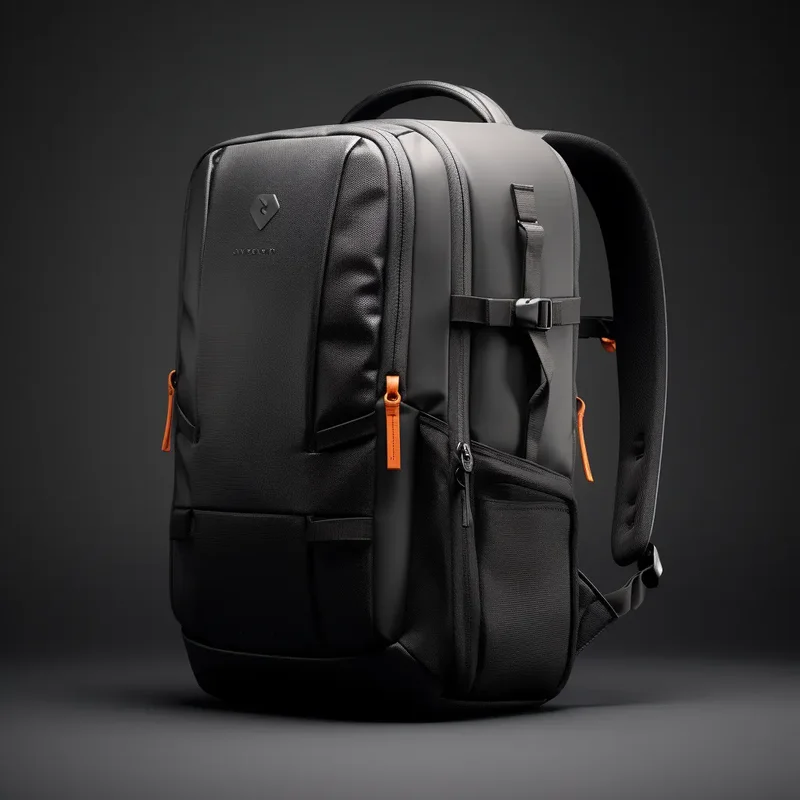
These compact packs are designed to carry the bare essentials: a phone, wallet, keys, a small water bottle, and perhaps a thin rain jacket. They are popular among runners, cyclists, and men who want a minimal everyday carry without the bulk of a full-size backpack. Many ultra-light packs feature a single main compartment with a small front pocket and mesh side pockets.
The trade-off with this size is extremely limited storage. You cannot fit a laptop larger than 13 inches, a change of clothes, or any meaningful amount of gear. These packs work best as supplementary bags that you carry alongside a larger piece of luggage, or for very specific activities where minimalism is the goal.
Daypacks (15-30L): The Versatile Sweet Spot
Daypacks represent the most popular backpack category for good reason. A well-designed 20-30L daypack can handle commuting to the office with a laptop and lunch, carry hiking essentials for a full day on the trails, or serve as your personal item on flights while your main luggage goes in the overhead bin.
At the lower end of this range (15-20L), you get enough space for a laptop up to 15 inches, a book or tablet, a water bottle, headphones, a light jacket, and daily essentials. This is the ideal size for office commuters and students. At the upper end (25-30L), you gain enough room to add a change of clothes, gym gear, or hiking-specific items like a hydration bladder, trail snacks, and a first aid kit.
20L holds: 15-inch laptop, book, water bottle, phone charger, light jacket, small toiletry bag
25L holds: All of the above plus gym shoes, a T-shirt, and a packed lunch
30L holds: All of the above plus a 2-litre hydration bladder, trail snacks, rain trousers, and beanie
Weekend Packs (30-50L): The Overnight Specialist
Weekend packs bridge the gap between day use and extended trips. A 35-45L pack is the ideal size for a two-night camping trip, a weekend city break, or a short business trip. These packs typically feature a more robust harness system with padded shoulder straps, a proper hip belt, and multiple compression straps to stabilise the load.
For men who want one backpack that handles both daily commuting and occasional overnight trips, a 35-40L pack with good organisation is the most versatile choice. Look for packs with a separate laptop compartment that does not consume the main storage area, and consider models with a rear panel access design for security during travel.
A 40L weekend pack can comfortably hold three days of clothing, toiletries, a pair of shoes, electronics, a rain jacket, and miscellaneous items. This is also the upper limit for most airline carry-on restrictions, making 40L an extremely popular choice for one-bag travellers.
Multi-Day Packs (50-70L): The Extended Journey
When your trip extends beyond three nights, you need a dedicated multi-day pack. These packs feature full-frame construction, either internal or external, with sophisticated load transfer systems that move the majority of weight from your shoulders to your hips. The harness systems are substantially more padded and adjustable.
A 55-65L pack is the standard choice for multi-day hiking trips of three to seven days in moderate weather conditions. This size accommodates a sleeping bag, tent or shelter, sleeping pad, cooking equipment, food, extra clothing layers, and personal items. For summer trips with lighter gear, a 50L pack may suffice. For winter trips requiring bulkier insulation and a four-season shelter, you will want to push towards 65-70L.
Expedition Packs (70L+): The Heavy-Duty Option
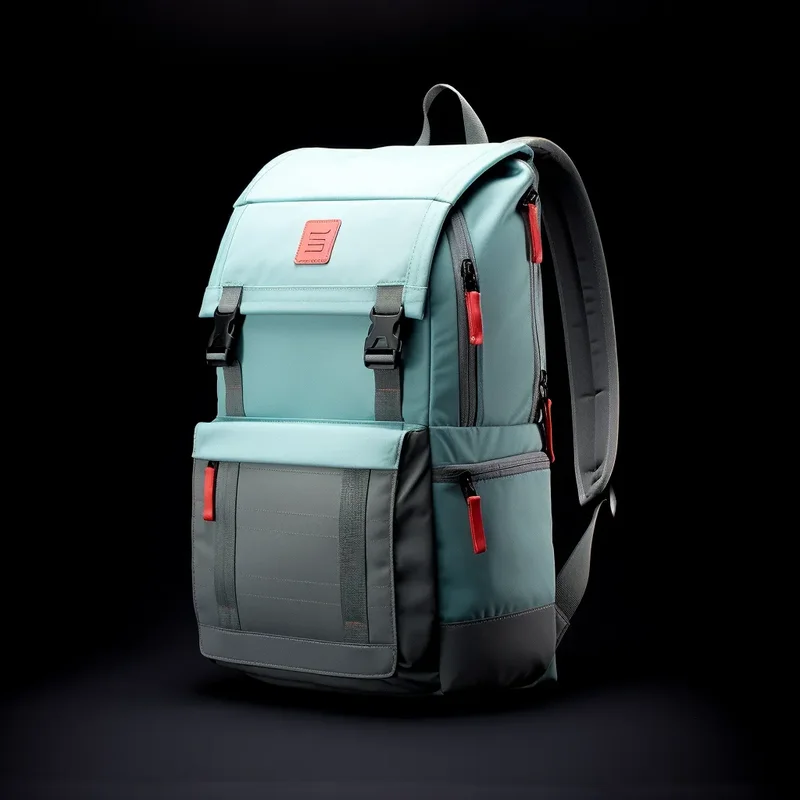
Expedition packs are purpose-built for extended wilderness trips, winter mountaineering, and situations where you need to carry substantial gear and supplies for a week or more. These packs are large, heavy even when empty, and feature maximum load-carrying capacity with thick hip belts, reinforced frames, and extensive external attachment points.
The typical user for a 70L+ pack is a mountaineer carrying technical gear and winter equipment, a parent carrying group supplies for a family camping trip, or a long-distance thru-hiker resupplying for extended sections between towns. Most men who buy expedition packs for casual weekend trips quickly regret the extra weight and bulk.
How to Match Backpack Size to Your Activity
The most reliable way to choose a backpack size is to start with your primary activity and work backwards. Here is a practical matching guide based on the most common uses for men's backpacks.
| Activity | Recommended Size | What to Pack |
|---|---|---|
| Office commute | 18-25L | Laptop, lunch, water bottle, jacket, chargers |
| Day hiking | 20-30L | Water, food, rain gear, first aid, map, layers |
| Overnight camping | 35-45L | Shelter, sleeping bag, pad, food, cook system |
| Weekend travel (2-3 nights) | 35-45L | Clothes, toiletries, shoes, electronics, jacket |
| Multi-day hiking (3-5 days) | 50-65L | Full camping kit, food, extra clothing layers |
| Extended backpacking (5-7+ days) | 60-75L | Full kit, extra food, bear canister, winter gear |
| Winter mountaineering | 65-80L | Technical gear, heavy insulation, ropes, hardware |
| Air travel (carry-on only) | 30-40L | 3-5 days of clothes, toiletries, electronics |
Matching Backpack Size to Your Body Type
Backpack capacity is only half the equation. The other half is ensuring the pack physically fits your torso. A 60L expedition pack will be miserable if the harness is designed for a shorter torso, and a perfectly sized daypack will cause shoulder pain if the straps sit in the wrong position.
Understanding Torso Length
Your torso length is measured from the C7 vertebra (the prominent bone at the base of your neck when you tilt your head forward) to the iliac crest (the top of your hip bones). This measurement determines which size harness you need, and it is completely independent of your overall height. Two men who are both six feet tall can have torso lengths that differ by several centimetres, requiring different pack sizes.
Size Range Guide
| Torso Measurement | Pack Size | Typical Male Height Range |
|---|---|---|
| Under 41cm (16 inches) | XS / Extra Small | Under 5ft 5in |
| 41-44cm (16-17.5 inches) | S / Small | 5ft 5in to 5ft 8in |
| 46-50cm (18-19.5 inches) | M / Medium (most common) | 5ft 8in to 6ft |
| 51cm+ (20 inches+) | L / Large | Over 6ft |
Common Backpack Sizing Mistakes to Avoid
Mistake 1: Buying Based on Height Alone
Your height is a rough indicator at best. What matters is your torso length. A tall man with long legs and a short torso needs a small pack, while a shorter man with a long torso may need a medium. Always measure your torso before buying a pack with a fixed harness size.
Mistake 2: Choosing Too Large a Pack
The most common mistake men make is buying a pack that is larger than they need. The logic seems sound, more space means more flexibility. In practice, extra space leads to over-packing, which leads to a heavier load, which leads to discomfort and fatigue. Start with the smallest size that will fit your gear and only size up if you have a proven need for the additional capacity.
Mistake 3: Ignoring Hip Belt Fit
The hip belt is responsible for transferring 70-80 percent of the pack weight from your shoulders to your hips. If the hip belt sits above your iliac crest instead of wrapping directly over it, the pack will pull down on your shoulders and cause pain. This is a torso length issue, not a volume issue, and it is the single most common cause of backpack discomfort.
Mistake 4: Not Testing with Weight
An empty backpack feels completely different from a loaded one. When you test a pack in a shop, ask the staff to load it with at least 9-10 kg of weight. Walk around the shop for at least ten minutes. Pay attention to pressure points, whether the pack bounces when you move, and whether the hip belt stays in position.
Mistake 5: Overlooking Gender-Specific Design
While many backpacks are unisex, some brands offer men-specific and women-specific versions with different harness geometry. Men's packs typically have longer torso lengths, wider shoulder straps set further apart, and hip belts shaped for a narrower pelvis. If you are a man shopping from a brand that offers gender-specific sizing, stick with the men's version for the best fit.
How to Measure Yourself for a Backpack
Follow these steps to get an accurate torso measurement:
- Find your C7 vertebra. Tilt your head forward and feel for the most prominent bone at the base of your neck. This is your starting point.
- Find your iliac crest. Place your hands on your hips with your fingers pointing forward. Your thumbs, wrapping around to the back, should rest on the top of your hip bones. Draw an imaginary line between your thumbs across your lower back.
- Measure the distance. Using a flexible measuring tape, measure from the C7 vertebra straight down your spine to the imaginary line between your thumbs. This is your torso length.
- Match to pack size. Compare your measurement to the manufacturer's size chart. If you fall between sizes, choose the larger size for comfort.
Quick Reference: What Size Backpack Do You Need?
| If You Need a Backpack For... | Recommended Size | Key Features to Look For |
|---|---|---|
| Daily commuting and laptop carry | 18-25L | Padded laptop sleeve, organiser pockets, comfortable straps |
| Gym and after-work activities | 25-35L | Separate shoe compartment, ventilated back panel, water bottle pocket |
| Day hiking and outdoor activities | 20-30L | Hydration compatible, hip belt, trekking pole attachments |
| Weekend travel and overnight trips | 35-45L | Lockable zippers, clamshell opening, luggage pass-through |
| Multi-day hiking and camping | 50-70L | Internal frame, adjustable torso, sleeping bag compartment |
| Extended wilderness expeditions | 70L+ | Heavy-duty frame, load lifters, multiple access points |
Conclusion
Backpack sizing comes down to two decisions: how much volume you need for your gear, and how the harness fits your torso. Get both right and you will carry comfortably regardless of the load. Get either wrong and even the most expensive pack will cause pain and frustration. Use this guide as your reference, measure your torso accurately, and match the volume to your actual needs rather than your aspirational packing list.
Frequently Asked Questions
What size backpack do I need for day trips?
For day trips and daily commuting, a backpack between 15 and 30 litres is ideal. A 15-20L pack works well for school or office use, while a 25-30L daypack provides extra room for hiking essentials like water, snacks, and a light jacket.
How do I choose the right backpack size for my body type?
Measure your torso length from the C7 vertebra to the top of your hip bone (iliac crest). Most backpacks come in sizes S, M, and L based on torso length. Men under 5ft 8in typically fit small sizes, men 5ft 8in to 6ft tend to fit medium, and men over 6ft usually need large sizes. However, torso length matters far more than overall height.
What does the litre capacity of a backpack mean?
Litre capacity refers to the total internal volume of the backpack, including all compartments and pockets. It is measured by filling the main compartment and all external pockets with small balls or water, then measuring the total volume. A 30L backpack can hold roughly 30 litres of gear.
Is a 40L backpack big enough for a weekend trip?
Yes, a 40L backpack is generally sufficient for a weekend trip of two to three nights. It can comfortably hold clothing, toiletries, electronics, shoes, and activity-specific gear. If you pack efficiently using packing cubes and roll your clothes, 40L provides excellent versatility for short getaways.
What size backpack can I take as hand luggage on a flight?
Most airlines allow carry-on luggage with maximum dimensions of around 56cm x 45cm x 25cm. Backpacks in the 20-35L range typically fit within these limits. A 30-35L pack is the safest bet for universal carry-on compatibility.
How should a properly fitting backpack feel?
A properly fitting backpack should transfer about 80 percent of the weight to your hips through the hip belt. The shoulder straps should lie flat without gaps, the load should sit close to your back without bouncing, and there should be no pressure on the top of your shoulders or the back of your neck.
Continue Your Backpack Research
Dive deeper into backpack fitting with our related guides.
How to Measure Torso Length Backpack Litres Explained Sizing for Short vs. Tall Men Adjustable vs. Fixed Torso Packs Is Your Backpack Too Big or Small?