Walk into any backpack store or browse online, and you will find prices ranging from $20 to over $500. The gap between a basic school bag and a premium everyday carry pack is massive. But what exactly are you paying for at each price point? Is spending more always better, or are there sweet spots where value peaks?
We tested and analysed dozens of backpacks across four distinct price tiers to give you an honest, detailed breakdown of what your money actually buys. From fabric quality to zipper brands, from stitching density to warranty coverage, this guide covers every dimension that separates a $50 pack from a $500 one.
Why Price Tiers Matter
Understanding backpack price tiers helps you make an informed purchasing decision. The backpack market is heavily fragmented, with products spanning from ultra-budget mass-produced items to handcrafted premium goods. Without understanding what separates each tier, it is easy to overpay for features you do not need or underpay and end up replacing a bag every year.
Key Insight: The biggest quality-per-pound improvement happens between $50 and $200. Beyond $300, you are paying increasingly for marginal gains in materials, brand prestige, or specialized features rather than fundamental quality improvements.
This analysis covers four tiers: Budget ($30-$75), Mid-Range ($75-$175), Premium ($175-$350), and Luxury ($350-$600+). For each tier, we examine materials, construction, features, expected lifespan, and brand examples.
Tier 1: Budget Backpacks ($30-$75)
Budget Tier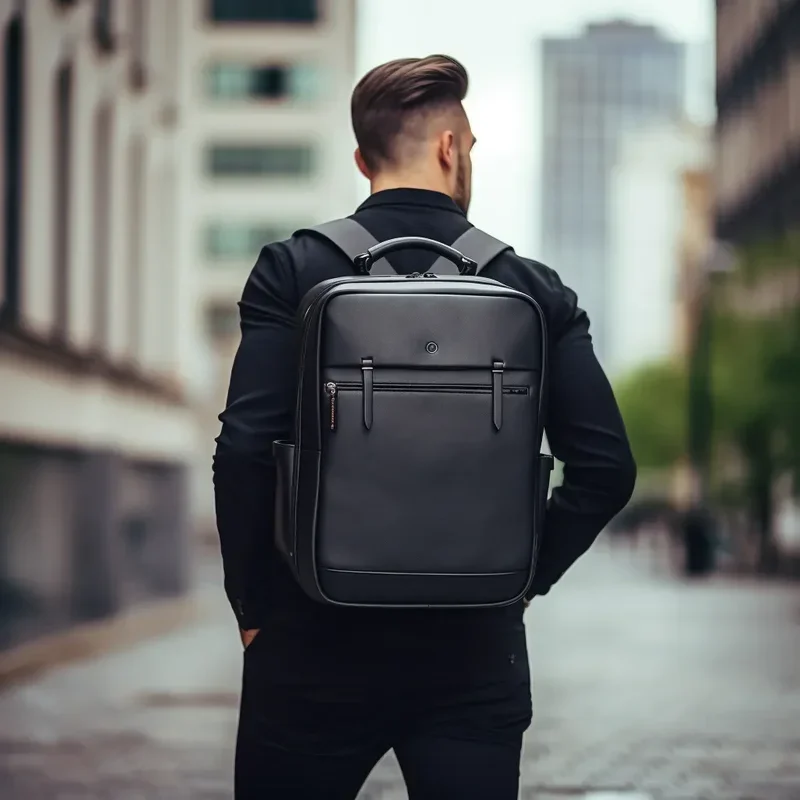
Materials
At this price point, manufacturers almost exclusively use 200D to 300D polyester. This fabric is lightweight and inexpensive but offers minimal abrasion resistance. The waterproofing typically comes from a thin PVC or PU coating on the inside, which can crack and peel after 12 to 18 months of regular use. Some budget packs use ripstop polyester, which adds a grid pattern of stronger threads to prevent small tears from spreading.
The padding in budget backpacks is typically 3mm to 5mm closed-cell foam in the shoulder straps and back panel. This provides basic comfort for loads under 5kg but compresses quickly under heavier weights. The laptop compartment, if present, usually consists of a simple foam sleeve without suspension or elevated padding.
Construction
Budget backpacks use single-needle lockstitch construction with a stitch density of approximately 6 to 8 stitches per inch. Stress points receive minimal reinforcement, often just a single layer of fabric with tape backing. Binding tape at raw edges is typically thin polyester rather than robust nylon webbing.
Zippers at this price are almost always generic #5 coil zippers. They function adequately when new but are prone to slider failure and tooth separation after 500 to 1,000 open-close cycles. Pull tabs are usually thin cord or basic metal tabs that can snap under stress.
Features
- 1-2 exterior pockets with basic zip closure
- Internal sleeve for laptops up to 15 inches
- Basic padded back panel without ventilation channels
- Sternum strap on some models (usually non-adjustable)
- Side mesh water bottle pockets
- Basic organisational pocket or two
Brand Examples
Typical brands: Amazon Basics, Targus, basic models from Superdry, unbranded packs from mass retailers
Expected lifespan: 1-3 years with daily use
Warranty: 30 days to 1 year limited
Cost per year: $17-$37 (assuming 2-year average life)
When Budget Is Acceptable
Budget backpacks make sense for students who change bags frequently, light occasional use, backup bags for travel, or situations where the bag is likely to be heavily abused or lost. If you carry light loads under 4kg and do not subject the bag to rough treatment, a budget pack can serve adequately for its expected lifespan.
Tier 2: Mid-Range Backpacks ($75-$175)
Mid-Range Tier
Materials
This is where you see a meaningful step up. Mid-range backpacks typically use 400D to 600D polyester or 420D to 600D nylon. Nylon offers superior abrasion resistance and a more premium hand-feel. The water-resistant coating upgrades to a proper PU coating at 1,000mm to 3,000mm hydrostatic head, providing genuine rain protection. Some brands at the upper end of this tier begin introducing 1680D ballistic nylon panels in high-wear areas like the bottom.
Padding improves to 8mm to 12mm memory foam or EVA foam in the shoulder straps and back panel. Laptop compartments now feature suspended sleeves that keep the device above the bag bottom, with soft fleece lining to prevent scratches. The back panel often includes channelled ventilation grooves for airflow.
Construction
Stitch density increases to 8 to 10 stitches per inch with bonded nylon thread. Critical stress points at strap attachments and zipper ends receive bar-tack reinforcement. Bottom panels are often double-layered or feature reinforced base panel material. Binding uses wider nylon webbing that resists fraying.
Zippers upgrade to genuine YKK #5 or #8 coil zippers, or SBS equivalents. These offer smoother operation and significantly longer service life of 2,000 to 5,000 cycles. Some models include YKK aquaguard water-resistant zippers on critical pockets.
Features
- Dedicated padded laptop compartment with suspension (up to 16 inches)
- Multiple organisational pockets including admin panel
- Padded, adjustable shoulder straps with breathable mesh
- Adjustable sternum strap and some models with load-lifter straps
- Dedicated tablet sleeve or pocket
- Quick-access top pocket for phone or keys
- Compression straps for load stabilisation
- Reflective elements for visibility
- Luggage pass-through strap
Brand Examples
Typical brands: The North Face Jester/Borealis, Herschel Classic/Little America, Osprey Arcane, Cotopaxi Allpa, Bellroy Classic, Rains (basic models)
Expected lifespan: 4-8 years with daily use
Warranty: 1-5 years limited, some lifetime
Cost per year: $12-$28 (assuming 6-year average life)
The Value Sweet Spot
For most users, the $100 to $175 range delivers the best balance of quality, features, and longevity. This is where backpacks transition from disposable accessories to reliable daily tools. The jump from budget to mid-range is the single most impactful upgrade in the entire price spectrum.
Tier 3: Premium Backpacks ($175-$350)
Premium Tier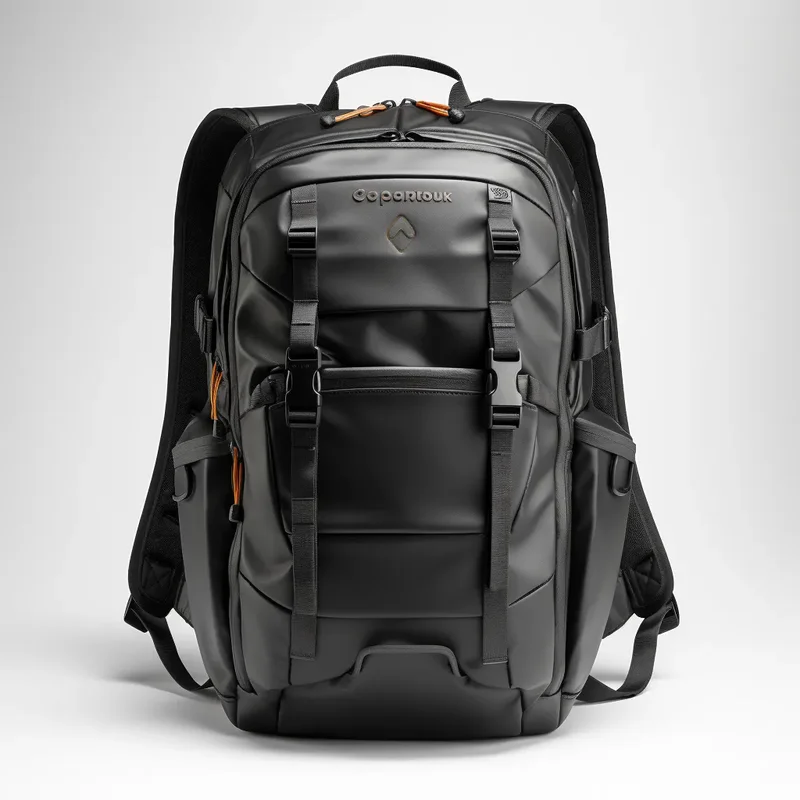
Materials
Premium backpacks introduce high-performance fabrics. Expect 1000D Cordura nylon, 500D Cordura, or X-Pac VX21/VX42 in select panels. Many brands at this tier use a combination of fabrics, placing the most abrasion-resistant material at the bottom and high-stress zones while using lighter materials elsewhere to manage weight. Some premium packs feature recycled materials like recycled nylon from ocean plastics or repurposed sailcloth.
Padding upgrades to multi-density foam systems with memory foam contact layers and supportive EVA base layers. Harness systems become more sophisticated with contoured shoulder straps, load-bearing frames (internal stays or framesheets), and breathable suspended mesh back panels similar to hiking pack technology.
Construction
Construction quality reaches its highest practical level. Stitch density holds at 10 to 12 stitches per inch with heavy-duty bonded nylon or polyester thread. All stress points receive bar-tack reinforcement, and many seams are double-stitched. Hardware upgrades to durable aluminium buckles, magnetic Fidlock closures, or premium polymer clips from manufacturers like Woojin or Duraflex.
Zippers are exclusively YKK, often #8 or #10 for main compartments. Water-resistant YKK Aquaguard zippers appear on weather-exposed pockets. Some brands introduce laminated or welded seams for waterproof compartments.
Features
- Dedicated laptop compartment with multi-angle suspension system
- Stand-alone capability (bag stands upright on its own)
- Clamshell or panel-loading main compartment
- Hidden security pockets against the back panel
- Integrated rain cover or fully waterproof construction
- Modular internal organisation with removable dividers
- External attachment points for gear (daisy chains, lash points)
- Magnetic or Fidlock buckle sternum straps
- TSA-friendly lay-flat design
- High-density foam hip belt on some models
Brand Examples
Typical brands: Peak Design Everyday, Aer City, Bellroy Transit, Patagonia Black Hole, Goruck GR1, Cotopaxi Allpa 35L, Thule Subterra
Expected lifespan: 7-15 years with daily use
Warranty: 5 years to lifetime
Cost per year: $14-$35 (assuming 10-year average life)
Tier 4: Luxury Backpacks ($350-$600+)
Luxury Tier
Materials
Luxury backpacks use the finest materials available. Full-grain leather panels and accents, VX42 X-Pac fabric, ultra-high molecular weight polyethylene (UHMWPE) Dyneema composites, and waxed canvas appear regularly at this tier. Leather is often vegetable-tanned and develops a patina over time. Hardware includes solid brass, stainless steel, or anodised aluminium from specialist manufacturers.
Internal linings upgrade to silky nylon or polyester tricot that feels premium and resists snagging. Some brands use contrasting interior colours to improve visibility of contents. Foam systems become multi-zone with different densities for load distribution and comfort.
Construction
At this tier, construction approaches artisanal quality. Some bags are hand-stitched or assembled in small batches. Seam sealing, laminated construction, and heat-bonded panels appear alongside traditional stitching. Every edge is finished with leather binding, tape, or folded-and-stitched techniques. Hardware is riveted through reinforcement plates rather than sewn directly into fabric.
Quality control is rigorous at this level. Each bag receives individual inspection, and many brands offer repair services that extend the bag life indefinitely.
Features
- Every feature from the premium tier, refined further
- Customisable internal layout with magnetic or velcro dividers
- Integrated charging cable pass-throughs
- Waterproof roll-top or hybrid closures
- Full-grain leather handles and trim
- Anti-theft features including RFID-blocking pockets
- Modular attachment systems compatible with pouches
- Lifetime repair guarantee from the manufacturer
- Made in limited quantities with serial numbering
Brand Examples
Typical brands: Filson Cover Cloth, Saddleback Leather, Cote et Ciel, Aer Tech, Goruck Ballistic, Briggs & Riley, Tumi Alpha
Expected lifespan: 15-30+ years with daily use
Warranty: Lifetime, often unconditional
Cost per year: $12-$30 (assuming 20-year average life)
Comprehensive Comparison Table
| Feature | Budget ($30-75) | Mid-Range ($75-175) | Premium ($175-350) | Luxury ($350+) |
|---|---|---|---|---|
| Fabric | 200-300D polyester | 420-600D nylon/poly | 1000D Cordura, X-Pac | Dyneema, full-grain leather |
| Zippers | Generic #5 coil | YKK #5-#8 | YKK #8-#10 Aquaguard | YKK + waterproof sealed |
| Stitch Density | 6-8 SPI | 8-10 SPI | 10-12 SPI | 10-12 SPI + double seams |
| Strap Padding | 3-5mm foam | 8-12mm EVA | Multi-density system | Custom contoured + mesh |
| Laptop Protection | Basic foam sleeve | Suspended + fleece lined | Multi-angle suspension | Full isolation system |
| Warranty | 30 days - 1 year | 1-5 years | 5 years - lifetime | Lifetime unconditional |
| Expected Life | 1-3 years | 4-8 years | 7-15 years | 15-30+ years |
| Cost Per Year | $17-$37 | $12-$28 | $14-$35 | $12-$30 |
Diminishing Returns Analysis
Every purchase involves a cost-versus-benefit calculation. With backpacks, the law of diminishing returns is very real. Here is how the quality-to-price ratio changes across tiers:
The Quality Curve
$50 to $100: Enormous quality improvement. You gain genuine YKK zippers, proper padding, decent fabrics, and organisational features. This is the steepest part of the quality curve. Every additional pound spent delivers measurable improvement.
$100 to $200: Strong continued improvement. Materials upgrade to branded nylons, construction gains reinforcement, and ergonomic systems become sophisticated. Still excellent value for most of the investment.
$200 to $350: Moderate improvement. Gains become more about premium materials and refined details than fundamental quality. You are paying for specialty fabrics, advanced harness systems, and better warranties.
$350 to $500+: Incremental improvement. The gap between a well-made $200 backpack and a $500 backpack is primarily in materials luxury, brand prestige, and marginal construction refinements. Both will serve you well for a decade or more.
Value-Per-Year Calculation
The most rational way to evaluate backpack pricing is cost per year of service. Here is a realistic calculation:
| Price Tier | Purchase Price | Expected Life | Cost Per Year | Quality Satisfaction |
|---|---|---|---|---|
| Budget | $50 | 2 years | $25/year | Basic functionality |
| Mid-Range | $130 | 6 years | $22/year | High satisfaction |
| Premium | $250 | 10 years | $25/year | Excellent satisfaction |
| Luxury | $450 | 20 years | $23/year | Premium satisfaction |
The mid-range tier delivers the lowest cost per year while providing high satisfaction. The luxury tier achieves a comparable cost per year but requires a much larger upfront investment and patience to realise the long lifespan.
When Premium Pricing Is Justified
Spending $300+ on a backpack makes sense in specific situations:
- Daily heavy carry: If you carry 10kg+ every day, premium harness systems and durable fabrics prevent both physical discomfort and bag failure.
- Professional environment: A premium backpack signals attention to detail and can complement business attire better than a nylon daypack.
- Harsh conditions: Frequent rain, dust, or rough handling demands waterproof fabrics, sealed zippers, and reinforced construction.
- Buy-it-for-life philosophy: If you want to buy one bag and never replace it, premium pricing for lifetime durability is economically rational.
- Specialised needs: Photographers, cyclists, and tech professionals often need purpose-built compartments that only premium brands provide.
When to Save Money
There is no shame in spending less. Budget and mid-range backpacks are the right choice when:
- Your carry needs are light (under 5kg)
- You replace bags as a style refresh rather than due to wear
- The bag will be used in situations where damage or loss is likely
- You are purchasing for growing children or students
- Your budget constraints make the mid-range the practical maximum
Final Verdict
The backpack market follows a predictable quality curve. The $100 to $200 range delivers the best value for most people, offering 80% of premium features at 40% of premium pricing. Budget packs under $75 are acceptable for light use but will cost more per year than investing in a mid-range option. Premium and luxury packs serve specific needs and deliver exceptional longevity, but the incremental quality gains above $300 are less dramatic than the step-up from budget to mid-range.
Whichever tier you choose, prioritise YKK zippers, adequate fabric denier, reinforced stitching, and a warranty that matches your expectations. A well-chosen backpack at any price point will serve you better than an expensive bag bought for the wrong reasons.
Frequently Asked Questions
Is a $50 backpack worth buying?
A $50 backpack is suitable for light, occasional use such as school or short commutes. However, expect basic polyester fabric, thin padding, and generic zippers that may last 1-3 years. For daily heavy use, investing in a $100+ pack delivers significantly better durability and comfort.
What is the sweet spot for backpack value?
The $100 to $200 range offers the best value for most buyers. At this price point, you get quality YKK zippers, 600D+ fabrics, reinforced stitching, ergonomic straps, and organisational features. Many packs in this range last 5-10 years, delivering excellent cost-per-year value.
When is a $500 backpack worth the investment?
A $500+ backpack is justified when you need premium materials like X-Pac or sailcloth, lifetime warranties, specialised features like waterproofing or laptop suspension systems, and expect to use the pack daily for 10+ years.
What material differences exist between price tiers?
Budget packs use 300D polyester with basic coatings. Mid-range upgrades to 600D nylon or canvas with PU coatings. Premium tiers feature 1000D Cordura, X-Pac VX21, or recycled sailcloth. Luxury packs add DWR treatments, welded seams, and premium leather accents.
How do I calculate cost per year for a backpack?
Divide the purchase price by expected years of use. A $50 pack lasting 2 years costs $25/year. A $200 pack lasting 10 years costs $20/year. The mid-range often delivers the lowest cost-per-year despite the lower upfront investment compared to luxury options.
Do expensive backpacks always last longer?
Not always. Premium pricing can reflect brand prestige, design aesthetics, or specialised features rather than raw durability. A well-made $150 backpack may outlast a poorly constructed $400 designer pack. Focus on materials, construction quality, and warranty rather than price alone.
What features should I expect at $100?
At $100, expect genuine YKK zippers, 600D nylon or polyester, padded laptop sleeve, multiple organisation pockets, padded shoulder straps with breathable mesh, sternum strap, and reinforced stress points. This is where functional quality becomes consistent.
Are there diminishing returns at higher price points?
Yes. The biggest quality jump happens between $50 and $200. From $200 to $500, improvements become more incremental. Beyond $500, you are largely paying for brand prestige, designer aesthetics, or exotic materials with diminishing functional returns.
Need a Custom Backpack for Your Brand?
Whether you are launching a backpack line or sourcing quality products, our manufacturing team delivers premium quality at competitive prices across all tiers.
Email: service@junyuanbags.com
WhatsApp: +86 17750020688