15 Backpack Organisation Hacks That Actually Work
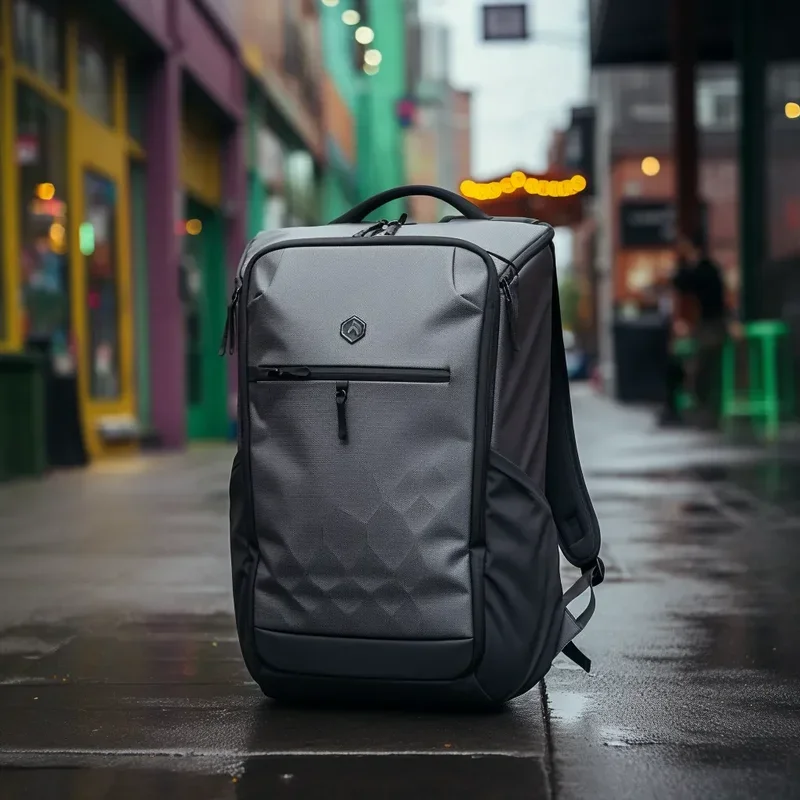
Anyone who has ever packed a backpack knows the frustration of items shifting, tangling, and disappearing into dark corners. You can have the most expensive, thoughtfully designed backpack in the world, and it will still become a disorganised mess without the right techniques and accessories. The difference between a chaotic bag and a perfectly organised one often comes down to small, practical hacks that take seconds to implement but save minutes of fumbling every time you need to find something. These are not theoretical concepts from packing blogs; they are battle-tested techniques used by long-distance hikers, frequent travellers, and daily commuters who have refined their systems over thousands of miles and countless trips.
In this guide, we share 15 backpack organisation hacks that actually work in practice. Each hack is simple, inexpensive, and immediately applicable to any backpack you own. We explain not just what to do, but why each hack works and when it is most effective. Whether you are packing for a morning commute or a three-week journey across Southeast Asia, these hacks will transform how your bag functions and how you feel about opening it.
Why Organisation Hacks Matter Before We Begin
Before diving into the specific techniques, it is worth understanding why these small hacks have such outsized impact. A backpack is a confined space where every centimetre counts. When items are loosely packed, they shift during movement, creating tangles, damaging fragile items, and making retrieval slow and frustrating. Each hack below addresses a specific failure mode of disorganised packing: tangling, shifting, moisture damage, wasted space, or difficult access. By addressing each failure mode systematically, you transform your backpack from a source of frustration into a precision tool that works with you rather than against you on every trip.
Hack 1: Roll Your Clothes Instead of Folding
The roll method is the most widely known packing hack for good reason: it genuinely works. Rolling clothing instead of folding it reduces the volume by up to 30 percent, minimises creases, and creates uniform cylinders that pack efficiently into any space. To roll effectively, lay the garment flat, fold the sleeves inward, and roll tightly from the bottom hem to the collar. The resulting cylinder is dense, compact, and maintains its shape better than folded garments. Rolling works best with t-shirts, trousers, underwear, and socks. It is less effective for structured items like dress shirts or blazers, which should be folded or hung using the bundle wrapping technique described next.
Hack 2: Bundle Wrapping for Dress Clothes
If you need to carry dress clothes without wrinkles, bundle wrapping is the answer. This technique involves wrapping clothing around a central core, typically a small pouch or bundle of soft items. Start by laying your dress shirt face down, place the core in the centre, and wrap the shirt around it. Add trousers, jackets, and other delicate items by wrapping them around the growing bundle. The result is a single, smooth bundle where no garment is creased at a sharp angle. This technique takes a minute longer than rolling but preserves the appearance of formal clothing far better than any other method short of carrying a garment bag.
Hack 3: Rubber Band Cable Ties
Tangled cables are one of the most annoying aspects of backpack organisation. Instead of buying expensive cable organisers, use simple rubber bands. Wrap each cable into a loose loop and secure it with a rubber band. This keeps cables from tangling with each other and makes them easy to identify at a glance. For extra organisation, use different coloured rubber bands for different cable types: black for charging cables, white for audio cables, red for USB drives. The rubber bands cost virtually nothing and can be found at any office supply store. Keep a small supply in your backpack at all times because you will find uses for them beyond just cables.
Hack 4: Ziplock Bags for Category Sorting
Ziplock bags are the unsung heroes of backpack organisation. Use different sizes for different categories: small bags for batteries and memory cards, medium bags for toiletries and first aid supplies, large bags for dirty laundry or wet items. The clear plastic lets you see contents at a glance, the seal keeps moisture and odours contained, and the bags themselves weigh almost nothing. Many experienced travellers carry a set of five to six ziplock bags in various sizes and use them to subdivide every pouch and compartment in their pack. They also double as emergency waterproofing for electronics during sudden rain.
Hack 5: Carabiner Attachments
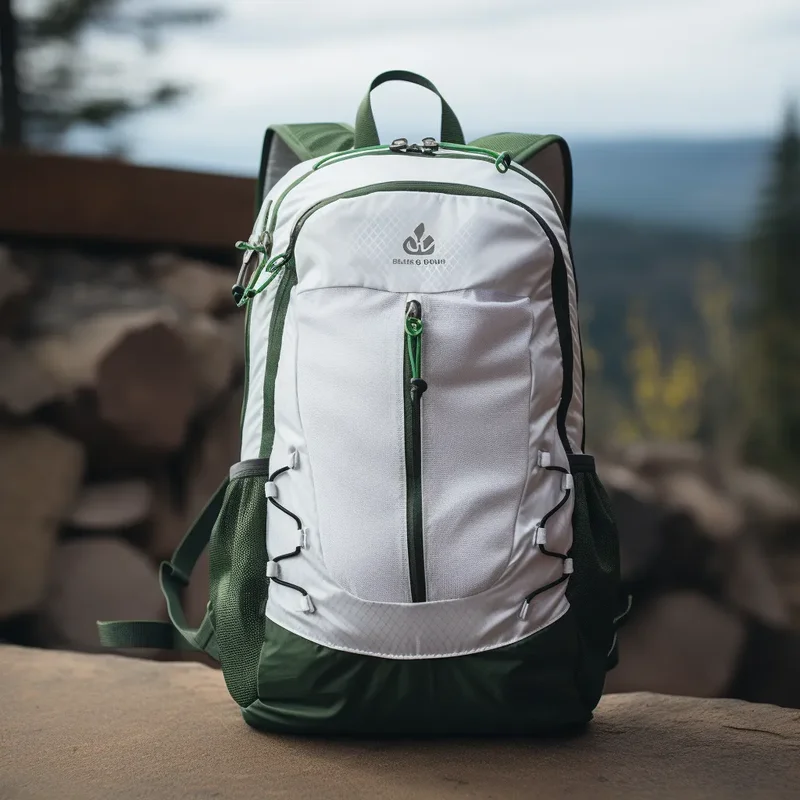
Small carabiners, the kind used for keys, can transform how you organise your backpack's attachment points. Clip your water bottle to a daisy chain instead of relying on a side pocket that might not fit. Attach your headlamp to your hip belt so it is always within reach. Clip your sunglasses case to a shoulder strap for quick access. The versatility of carabiners is nearly unlimited, and a pack of six small aluminium carabiners weighs less than 50 grams. Look for carabiners with a locking gate to prevent accidental opening when the bag is being jostled during transit or outdoor activity.
Hack 6: Key Clips and Lanyards
Losing your keys inside a backpack is a universal experience that no one enjoys. Solve this permanently by attaching a small key clip or lanyard to the inside of your top lid pocket or admin panel. When you drop your keys in, they clip onto the lanyard and cannot migrate to the bottom of the bag. Some backpacks have built-in key clips, but if yours does not, a simple carabiner key chain clipped to an internal loop works just as well. The principle is to give frequently used small items a tether point so they always stay in the same place within the bag.
Hack 7: Strap Management with Elastic Cord
Dangling straps are not just unsightly; they can catch on branches, door handles, and other obstacles. Manage loose straps by wrapping them around the strap keepers and securing them with short pieces of elastic cord or velcro straps. For shoulder straps that are too long after adjustment, roll the excess and tuck it under the elastic cord. This keeps your backpack's profile clean and prevents the annoying flapping that happens when walking in windy conditions. It also extends the life of your straps by preventing them from dragging on the ground and fraying at the ends.
Hack 8: Velcro Dividers
Self-adhesive velcro strips can create custom dividers inside your backpack's main compartment. Stick one side of the velcro to the inside wall of the compartment and the other side to a piece of stiff fabric or thin cardboard. This creates a removable divider that separates your main compartment into two sections without permanently modifying the bag. Velcro dividers are especially useful in bags that lack internal organisation, giving you the ability to create custom compartments for different types of items. They can be repositioned or removed entirely when your needs change between different types of trips or daily activities.
Hack 9: Mesh Pouches for Visibility
Mesh pouches are superior to solid pouches for items you need to see at a glance. Use mesh pouches for electronics accessories, first aid supplies, and toiletries. The mesh allows airflow, which is important for damp items like towels or wet swimwear, and lets you instantly identify contents without opening the pouch. A set of three mesh pouches in different sizes, small, medium, and large, covers most organisation needs and can be nested inside each other when not in use to save space in your pack.
Hack 10: Compression Sacks for Bulky Items
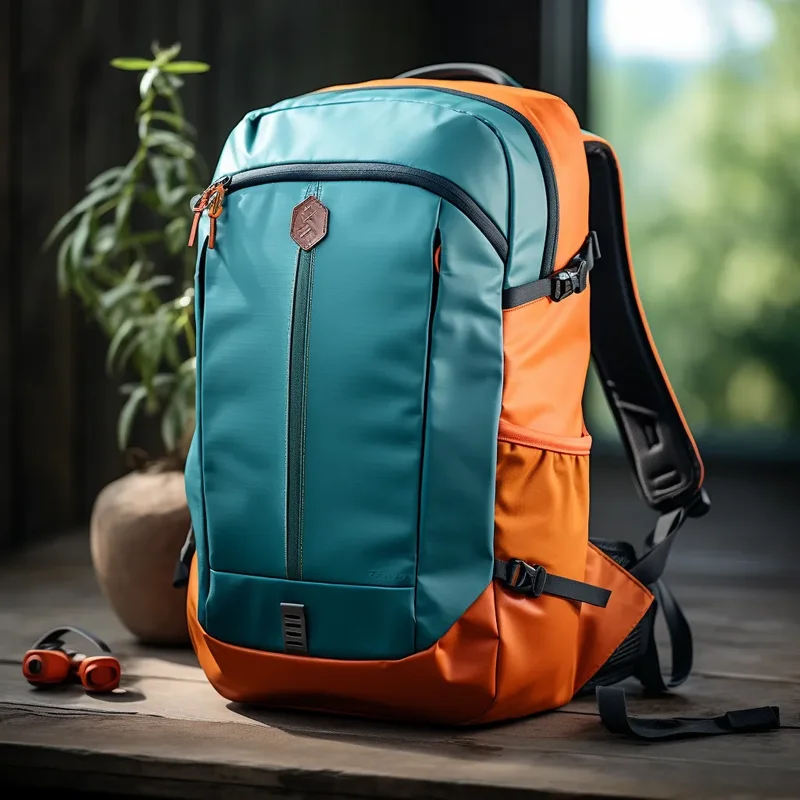
Compression sacks are essential for reducing the volume of soft, bulky items like sleeping bags, fleece jackets, and packed clothing. Unlike regular stuff sacks, compression sacks feature straps or a roll-top closure that squeezes air out of the contents, reducing volume by 40 to 60 percent. This makes a significant difference in smaller packs where every cubic centimetre counts. For ultralight backpackers, compression sacks can be the difference between fitting everything inside the pack versus having to strap items to the outside where they are exposed to weather and potential damage.
Hack 11: Packing Cube Systems
Packing cubes are not just for travellers; they work equally well for commuters and students who need to separate categories within their daily bag. A basic system uses three cubes: one for clean clothing, one for dirty clothing, and one for miscellaneous items. For more extensive organisation, add a fourth cube for electronics and a fifth for documents. Colour-coded cubes make identification instant, and compression packing cubes add the benefit of volume reduction. The key advantage of cubes over loose packing is that you can pull an entire category out of your bag in one motion and place it directly in a drawer or on a shelf at your destination.
Hack 12: Shoe Bags for Odour Control
Shoes in a backpack create an odour and hygiene problem if not managed properly. A dedicated shoe bag, ideally made from waterproof material with a separate ventilation panel, solves this completely. Place shoes sole-to-sole and slide them into the bag, then seal it. The waterproof material prevents dirt and moisture from contacting your other items, and the ventilation panel allows shoes to air out between uses. For gym shoes that tend to smell, place a small dryer sheet or activated charcoal sachet inside the shoe bag to neutralise odours over time without adding significant weight.
Hack 13: Travel-Sized Toiletry Bottles
Full-sized toiletry bottles are a waste of space and weight. Transfer your shampoo, conditioner, body wash, and skincare products into small travel bottles, ideally ones that are leak-proof and clearly labelled. A set of six to eight 100ml bottles covers all your hygiene needs for trips of any length and takes up a fraction of the space that full-sized bottles would require. Silicone bottles are preferable because they are squeezable, lightweight, and virtually unbreakable. Arrange them upright in a small mesh pouch for instant visibility and access at security checkpoints and hotel bathrooms.
Hack 14: Towel Clips for Drying
A small binder clip or dedicated towel clip can transform any strap on your backpack into a drying rack. Clip your damp towel, shirt, or bandana to the outside of your pack while walking, and it dries from airflow and body heat. This is especially useful for hikers who carry lightweight microfibre towels that need to dry between uses. The clip itself weighs almost nothing and takes up minimal space when not in use. Look for clips with a strong grip that can handle wet fabric without slipping, even in windy conditions on exposed ridgelines.
Hack 15: Strap Loops for External Attachment
Many backpacks feature daisy chains, lash points, or compression straps that can be used to attach items externally. Strap loops made from nylon webbing or paracord can be added to these attachment points to create custom mounting solutions. Use them to secure a foam pad, attach a rolled jacket, or hang a wet item for drying. The beauty of strap loops is that they are removable and adjustable, allowing you to adapt your pack's external carrying capacity to the specific needs of each trip without any permanent modifications to the bag itself.
Putting It All Together: The Fully Organised Backpack
These 15 hacks are not meant to be used in isolation. The most effective approach is to combine them into a system that covers your entire backpack. Roll your clothes and store them in packing cubes. Use ziplock bags and mesh pouches for small items. Secure cables with rubber bands and clip keys to internal lanyards. Manage straps and use carabiners to attach external items. Each hack reinforces the others, creating a backpack that is organised, efficient, and pleasant to use every single day. The total cost of implementing all 15 hacks is under one hundred pounds, and the combined weight is less than 600 grams. That is a remarkably small investment for a transformation in daily usability and satisfaction.
| Hack | Cost | Weight Added | Best For | Difficulty |
|---|---|---|---|---|
| Rolling clothes | Free | None | All trips | Easy |
| Bundle wrapping | Free | None | Dress clothes | Medium |
| Rubber band cable ties | Under 2 pounds | 10g | Electronics | Easy |
| Ziplock category bags | Under 3 pounds | 30g per set | All categories | Easy |
| Carabiner attachments | Under 5 pounds | 50g for six | External items | Easy |
| Key clips and lanyards | Under 3 pounds | 15g | Keys and small items | Easy |
| Strap management | Under 2 pounds | 20g | Loose straps | Easy |
| Velcro dividers | Under 5 pounds | 40g | Compartment sorting | Medium |
| Mesh pouches | Under 10 pounds | 60g for set | Visible organisation | Easy |
| Compression sacks | Under 15 pounds | 80g each | Bulky items | Easy |
| Packing cube systems | Under 25 pounds | 150g for set | Extended trips | Easy |
| Shoe bags | Under 8 pounds | 50g | Shoe storage | Easy |
| Travel toiletry bottles | Under 10 pounds | 40g empty | Hygiene items | Easy |
| Towel clips | Under 2 pounds | 15g | Drying items | Easy |
| Strap loops | Under 3 pounds | 25g | External attachment | Medium |
Key Takeaway
These 15 backpack organisation hacks cost less than 100 pounds in total, add less than 600 grams of weight combined, and can be implemented in under an hour. The return on investment is enormous: faster packing, easier retrieval, less damage to your belongings, and a backpack that feels like a precision tool rather than a black hole where things go to get lost forever.
Choosing the Right Hacks for Your Lifestyle
Not every hack is relevant to every person. A daily commuter who carries a laptop and a lunch box has very different needs from a thru-hiker carrying a tent and sleeping bag for six months. Before implementing all 15 hacks, assess your primary use case and prioritise accordingly. For commuters, hacks 1, 3, 4, 6, and 9 are the most impactful because they address the specific chaos points of daily tech and food carrying. For hikers, hacks 1, 5, 10, 14, and 15 provide the most benefit because they address the challenges of outdoor gear management and weather exposure. For travellers, hacks 1, 2, 4, 11, 12, and 13 cover the most common pain points of moving between cities, countries, and climates with everything you own on your back.
Maintaining Your Hacks Over Time
Organisation hacks only work if you maintain them. Rubber bands lose their elasticity over a few months and should be replaced. Ziplock bags develop pinholes and should be checked before each trip. Packing cubes accumulate odours and should be washed monthly if used for clothing. Carabiners can develop stress fractures if they are cheap or heavily used. Make a habit of inspecting your organisational accessories every three months and replacing anything that shows wear. A five-minute maintenance session prevents the gradual degradation that turns a well-organised bag back into a chaotic one. Set a reminder on your phone if you tend to forget, because the cost of replacing a worn rubber band is negligible compared to the frustration of a tangled cable drawer.
Frequently Asked Questions
What is the best way to organise cables in a backpack?
The best way to organise cables is to loop each cable and secure it with a rubber band or velcro strap. Store all cables together in a small mesh pouch or ziplock bag so you always know where to find them. Use different coloured bands to identify cable types at a glance.
Do packing cubes actually save space?
Yes, packing cubes save 20 to 30 percent of space by compressing clothing and preventing items from shifting. Compression packing cubes can save even more, up to 50 percent. They also keep categories separate and make packing and unpacking significantly faster and more enjoyable.
How do I keep shoes from making my backpack smell?
Use a dedicated waterproof shoe bag with ventilation, place shoes sole-to-sole inside, and add a small dryer sheet or activated charcoal sachet to neutralise odours. Never put shoes directly in the main compartment without a protective barrier.
What is the roll method for packing clothes?
The roll method involves laying a garment flat, folding the sleeves inward, and rolling tightly from the bottom hem to the collar. This reduces volume by up to 30 percent, minimises creases, and creates uniform shapes that pack efficiently into any available space.
Are ziplock bags good for backpack organisation?
Yes, ziplock bags are excellent for backpack organisation. They are lightweight, transparent, waterproof, and available in many sizes. Use them for categorising small items, protecting electronics from moisture, separating dirty laundry, and organising toiletries efficiently.
How do I stop items shifting inside my backpack?
Use packing cubes, compression sacks, or velcro dividers to create compartments within your main compartment. Fill empty spaces with soft items. Use strap loops and carabiners to secure external items. A well-packed bag should feel like a solid unit when lifted.
What is the cheapest backpack organisation hack?
Rolling your clothes is completely free and saves significant space. Rubber bands for cable management and ziplock bags for category sorting are also extremely cheap, costing less than a few pounds for a set that lasts many months of regular use.
Explore More Packing & Organisation Guides
Continue building your packing expertise with our related guides:
How to Organise Your Backpack | Packing Cubes for Backpacks | Backpack Packing Order | Best Backpack Organisers | Minimalist Backpack Packing