Backpack Materials Guide: Nylon, Polyester, Canvas, and More
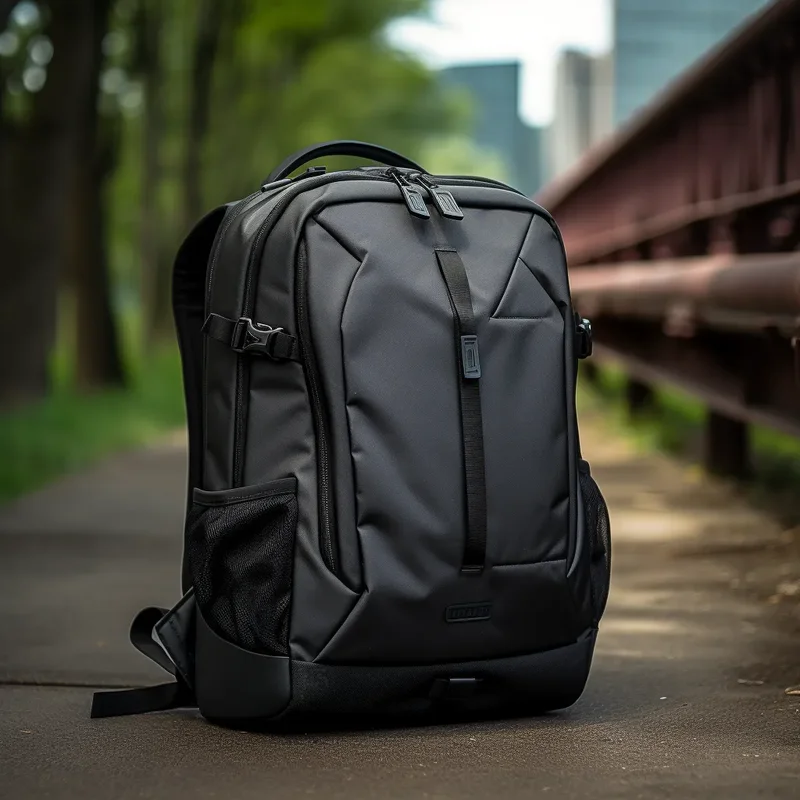
Choosing the right backpack is about far more than zippers and compartments. The material your backpack is made from determines how long it lasts, how it handles rain, how much it weighs, and how it ages over years of daily use. Yet most shoppers never read a fabric label before buying.
This comprehensive backpack materials guide breaks down every major fabric used in modern backpacks. Whether you are buying a commuter bag, a hiking pack, or a luxury everyday-carry item, understanding these materials will help you make an informed decision that saves you money in the long run.
Why Backpack Material Matters
Material choice affects five critical performance dimensions:
- Durability: How well the fabric resists tears, abrasion, and general wear over time
- Weight: Heavier fabrics protect better but add significant burden, especially when carrying laptops or gear
- Water Resistance: Some materials naturally repel moisture; others absorb it readily and require treatment
- Comfort: Fabric texture, breathability, and flexibility affect how a backpack feels against your back and shoulders
- Aesthetics: Materials determine whether a backpack looks rugged, professional, casual, or heritage-inspired
Understanding the trade-offs between materials helps you match the right backpack to your specific lifestyle, whether that involves daily commuting, weekend adventures, international travel, or campus life.
Nylon: The Gold Standard for Backpacks
Nylon is the most widely used synthetic fabric in backpack manufacturing, and for good reason. Developed by DuPont in the 1930s, nylon offers an exceptional strength-to-weight ratio that few other materials can match. It is lightweight, abrasion-resistant, quick-drying, and relatively affordable to produce.
Common Nylon Deniers in Backpacks
The denier (D) rating tells you the weight of 9,000 metres of the yarn thread. Higher denier means thicker, stronger yarn. Backpack manufacturers use several standard nylon deniers:
- 210D Nylon: Ultra-lightweight, used in packing cubes, ultralight daypacks, and bag linings. It tears easily under stress and offers minimal abrasion resistance.
- 420D Nylon: The entry point for quality everyday backpacks. Offers good durability for office commutes and light travel at a reasonable weight.
- 600D Nylon: A sweet spot for mid-range backpacks. Provides excellent durability for daily use, light hiking, and school bags without excessive weight.
- 1000D Nylon: Heavy-duty fabric found in tactical and expedition backpacks. Extremely abrasion-resistant but noticeably heavier.
- 1680D Nylon: The thickest commonly used nylon denier. Found in premium travel backpacks and heavy-duty luggage. Offers maximum protection but adds significant weight.
Ripstop Nylon
Ripstop nylon uses a special crosshatch weaving technique where thicker reinforcement threads are interwoven at regular intervals (typically every 5 to 8 millimetres). This grid pattern prevents small tears from spreading across the fabric. Ripstop is extremely popular in hiking backpacks, military gear, and ultralight travel packs because it combines low weight with high tear resistance.
You can identify ripstop nylon by its distinctive grid pattern, visible when you hold the fabric up to light. The slight textural difference between the base weave and the reinforcement threads creates this characteristic look.
Nylon Variants and Treatments
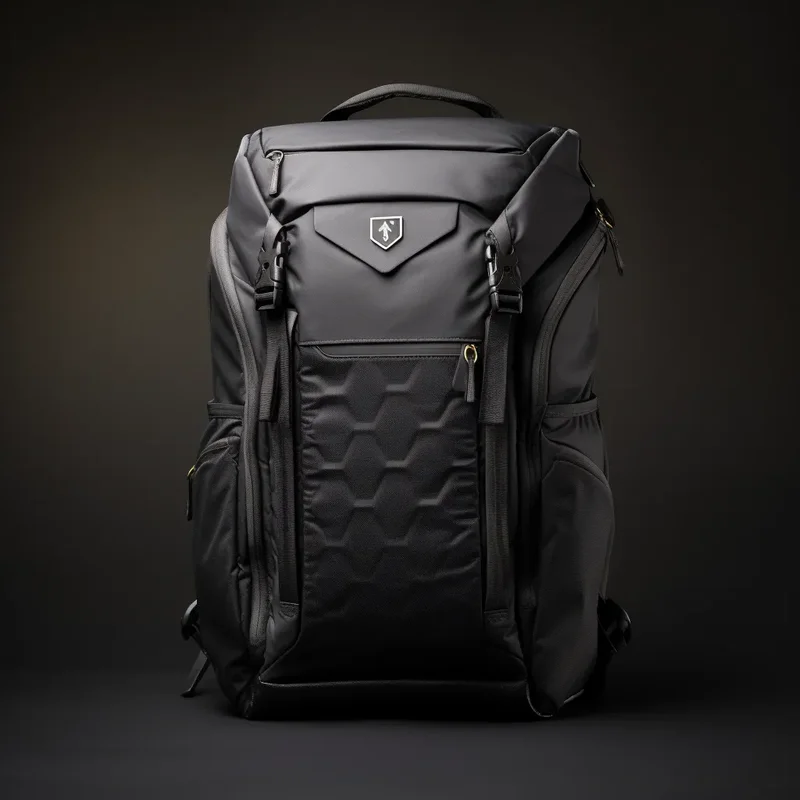
Standard nylon is not inherently waterproof, though it is water-resistant to some degree. Manufacturers enhance nylon with several treatments:
- PU (Polyurethane) Coating: Applied to the interior of nylon fabric to create a waterproof barrier. Most common in rain-ready backpacks.
- DWR (Durable Water Repellent) Finish: A surface treatment that causes water to bead up and roll off the exterior fabric.
- Silicone Coating: Provides superior water resistance compared to PU, commonly found in premium outdoor brands. More expensive but longer-lasting.
- TPU (Thermoplastic Polyurethane) Lamination: Creates a fully waterproof membrane that also adds structural rigidity. Common in laptop backpacks and camera bags.
Polyester: The Budget-Friendly Workhorse
Polyester is the second most common backpack material and the go-to choice for budget-friendly packs. While polyester shares many properties with nylon, there are important differences that affect performance.
Polyester vs. Nylon: Key Differences
Polyester is generally less expensive than nylon, which makes it attractive for mass-market backpacks. It is also more UV-resistant, meaning it will not fade or degrade as quickly when exposed to direct sunlight over extended periods. However, polyester is less abrasion-resistant than nylon of the same denier rating, meaning it wears through faster under friction.
Polyester has lower elasticity than nylon, so it holds its shape better and does not stretch when wet. It also absorbs less water, drying faster after rain. For travellers and commuters who encounter frequent rain, polyester can be a practical choice, especially when combined with a waterproof coating.
Common Polyester Deniers
Polyester backpacks typically range from 300D to 1680D, with 600D being the most common for everyday packs. Polyester is also the base material for most printed and patterned backpack fabrics, as it accepts dye more readily than nylon. If you see a brightly coloured or printed backpack, it is likely polyester.
Canvas: Heritage Style Meets Modern Durability
Canvas is one of the oldest backpack materials, with roots in sailing and military applications. Today, canvas backpacks occupy a unique niche, appealing to those who value heritage aesthetics, natural fibre sustainability, and the beautiful patina that develops with age.
Cotton Canvas
Traditional cotton canvas is a plain-weave fabric made from natural cotton fibres. It is heavy, durable, and develops a distinctive worn-in character over time. Cotton canvas backpacks feel substantial in the hand and develop unique crease patterns and colour variations that reflect their owner's journey. However, untreated cotton canvas absorbs water readily and can mildew if stored while damp.
Waxed Canvas
Waxed canvas is cotton canvas that has been treated with paraffin or beeswax to create a water-resistant barrier. The waxing process gives the fabric a distinctive waxy hand-feel and a slightly darker, richer appearance. Waxed canvas is extremely popular in heritage-style backpacks from brands like Fjallraven and Filson. The wax coating needs periodic re-application to maintain water resistance, but many owners enjoy the maintenance ritual as part of the ownership experience.
Synthetic Canvas
Some manufacturers produce canvas-look fabrics from polyester or nylon blends. These synthetic canvas materials mimic the visual texture of cotton canvas while offering the water resistance and lighter weight of synthetic fibres. They are a practical compromise for those who love the canvas aesthetic but want easier maintenance.
Cordura: The Premium Performance Fabric
Cordura is a brand of high-performance fabrics originally developed by DuPont (now manufactured by Invista). The name has become synonymous with extreme durability in the backpack industry. Cordura fabrics are made from air-jet textured nylon yarns that provide excellent abrasion resistance while maintaining a relatively soft hand-feel.
Cordura comes in several variants, from ultra-light 3D ripstop to heavyweight 1000D. The most common backpack grades are 500D Cordura (a balance of weight and durability) and 1000D Cordura (maximum protection for tactical and expedition packs). Cordura's abrasion resistance is significantly higher than standard nylon of the same weight, making it a favourite among brands that guarantee long-term durability.
Ballistic Nylon: Built for Extreme Use
Ballistic nylon was originally developed by DuPont during World War II for use in flak jackets to protect airmen from shrapnel. The fabric uses a 2x2 basket weave pattern with thick denier yarns (typically 1050D or 1680D), creating an incredibly tough material that resists tears, abrasion, and punctures.
Ballistic nylon backpacks are noticeably heavier than those made from standard nylon or polyester, but they offer unmatched durability for demanding environments. Many premium travel brands use ballistic nylon for their flagship models because it withstands years of rough handling in airports, cargo holds, and outdoor conditions. The fabric has a distinctive glossy sheen and a smooth texture that sets it apart visually.
Recycled Fabrics: The Sustainable Choice
Sustainability is driving significant innovation in backpack materials. Recycled polyester (RPET) is made from post-consumer plastic bottles and has become increasingly common across all price points. Recycled nylon (such as ECONYL, regenerated from fishing nets and industrial waste) offers the same performance as virgin nylon with a dramatically lower environmental footprint.
Leading outdoor brands including Patagonia, Osprey, and Fjallraven now offer backpack lines made partially or entirely from recycled materials. These fabrics carry certifications such as the Global Recycled Standard (GRS), bluesign, and Oeko-Tex Standard 100 to verify their recycled content and chemical safety.
The performance of recycled fabrics has improved dramatically. Modern RPET and recycled nylon match or exceed the durability and water resistance of their virgin counterparts. The environmental savings are substantial: producing recycled polyester uses approximately 59 percent less energy than producing virgin polyester and diverts plastic waste from landfills and oceans.
Leather: Luxury and Longevity
Leather backpacks occupy the premium end of the market. Full-grain leather develops a rich patina over decades, making it arguably the most durable and aesthetically rewarding backpack material. However, leather is heavy, expensive, and requires regular conditioning to prevent drying and cracking.
Most leather backpacks combine leather panels with fabric backing or synthetic materials to reduce weight. Top-grain leather offers a good balance of quality and price, while genuine leather (a lower grade) is more affordable but less durable. Vegan leather alternatives made from polyurethane or plant-based materials provide a leather-like look without animal products, though they typically lack the long-term aging characteristics of genuine leather.
TPU-Coated and Technical Fabrics
For waterproof backpacks, TPU-coated fabrics represent the current state of the art. TPU (thermoplastic polyurethane) is applied as a laminate to nylon or polyester, creating a fully waterproof barrier that is also weldable, allowing manufacturers to create seam-free constructions that eliminate traditional stitch holes where water can penetrate.
TPU-coated backpacks are common in waterproof roll-top designs, dry bags, and premium urban commuter packs. They offer excellent water resistance, good abrasion resistance, and a distinctive matte or slightly glossy finish that appeals to modern design sensibilities. However, TPU coatings can delaminate over time if exposed to extreme heat or prolonged UV exposure.
Comprehensive Backpack Material Comparison Table
| Material | Weight | Durability | Water Resistance | Cost | Best For |
|---|---|---|---|---|---|
| Nylon 210D | Very Light | Low | Low | Low | Packing cubes, ultralight daypacks |
| Nylon 420D | Light | Good | Moderate | Low-Medium | Everyday commutes, light travel |
| Nylon 600D | Medium | Very Good | Moderate | Medium | Daily use, school, light hiking |
| Ripstop Nylon | Light | Good (tear-resistant) | Moderate | Medium | Hiking, travel, outdoor adventures |
| Cordura 500D | Medium | Excellent | Moderate | High | Premium daily carry, travel |
| Ballistic Nylon 1050D | Heavy | Exceptional | Moderate | High | Heavy-duty travel, tactical use |
| Polyester 600D | Medium | Good | Moderate | Low | Budget everyday backpacks |
| Cotton Canvas | Heavy | Good | Low (untreated) | Low-Medium | Heritage style, casual use |
| Waxed Canvas | Heavy | Very Good | Good | Medium-High | Heritage, outdoor lifestyle |
| Recycled Polyester (RPET) | Light-Medium | Good | Moderate | Medium | Eco-conscious daily use |
| Recycled Nylon (ECONYL) | Light-Medium | Very Good | Moderate | Medium-High | Premium sustainable packs |
| Full-Grain Leather | Very Heavy | Exceptional | Low (needs treatment) | Very High | Luxury, professional use |
| TPU-Coated Nylon | Medium | Very Good | Excellent | High | Waterproof packs, urban commute |
How to Choose the Right Material for Your Needs
The best backpack material depends entirely on your primary use case and priorities:
For Daily Commuting
Nylon 420D to 600D or polyester 600D offers the best balance of durability, weight, and value. If you carry a laptop, look for a TPU-coated or water-resistant option to protect electronics from rain.
For Hiking and Outdoor Adventures
Ripstop nylon or Cordura 500D provides excellent tear and abrasion resistance at manageable weights. For extended trips in wet climates, silicone-coated nylon or TPU-laminated fabrics offer superior water protection.
For Travel
Ballistic nylon 1050D or Cordura 1000D withstands the rigours of air travel, overhead bins, and baggage handling. The extra weight is worth the durability investment for frequent travellers.
For Style and Heritage Aesthetics
Waxed canvas or full-grain leather offers unmatched character and patina development. These materials require more care but reward owners with a backpack that becomes more beautiful with age.
For Sustainability
Recycled polyester (RPET) or recycled nylon (ECONYL) delivers the same performance as virgin materials with a dramatically reduced environmental footprint. Look for GRS or bluesign certifications to verify claims.
Pro Tip: Many premium backpacks use a combination of materials. For example, a backpack might use Cordura 500D on the base and stress points for durability, 420D nylon on the main body to save weight, and a TPU-coated panel for laptop protection. Always check which materials are used where, not just what the marketing highlights.
Maintaining Your Backpack Material
Regardless of which material you choose, proper maintenance extends your backpack's lifespan significantly:
- Nylon and Polyester: Clean with mild soap and lukewarm water. Avoid harsh detergents that can strip DWR coatings. Re-apply DWR spray periodically.
- Canvas: Brush off dry dirt with a soft brush. Spot clean with cold water only. Never machine wash cotton canvas as it can cause shrinkage and damage wax coatings.
- Waxed Canvas: Re-wax annually with a compatible wax product. Never use hot water or machine wash. Store in a cool, dry place.
- Leather: Condition every 3 to 6 months with leather conditioner. Keep away from excessive moisture and direct heat. Clean with a damp cloth and leather-specific cleaner.
- TPU-Coated Fabrics: Wipe clean with a damp cloth. Avoid storing in extreme heat (above 40 degrees Celsius) which can cause delamination over time.
The Future of Backpack Materials
The backpack materials landscape is evolving rapidly. Dyneema composite fabric (formerly Cuben Fiber) is gaining traction in ultralight hiking packs, offering exceptional strength at a fraction of the weight of nylon. Bio-based nylons derived from castor oil are entering the market. Graphene-infused fabrics promise antibacterial properties and enhanced tear resistance.
Sustainability will continue to be the biggest driver of innovation. As recycling technology improves, we can expect recycled materials to match and eventually exceed the performance of virgin fabrics. The next generation of backpack materials will be stronger, lighter, more sustainable, and more tailored to specific use cases than ever before.
Frequently Asked Questions
What is the most durable backpack material?
Ballistic nylon (1050D or 1680D) and Cordura 1000D are the most durable commonly available backpack materials. They resist abrasion, tearing, and punctures better than standard nylon or polyester. Full-grain leather also offers exceptional longevity but requires more maintenance.
What is the best material for a waterproof backpack?
TPU-coated nylon or polyester provides the best waterproof protection for backpacks. The TPU laminate creates a fully waterproof barrier, and when combined with welded seams (instead of stitched seams), it eliminates the main points where water penetrates. Look for roll-top closures for maximum waterproofing.
Is nylon or polyester better for backpacks?
Nylon is generally stronger and more abrasion-resistant than polyester of the same denier, making it better for heavy-use scenarios. However, polyester is more UV-resistant, absorbs less water, dries faster, and is typically less expensive. For most everyday uses, both materials perform well.
What does 600D mean on a backpack?
The "600D" refers to the denier rating of the fabric, meaning 9,000 metres of the yarn weighs 600 grams. Higher denier numbers indicate thicker, heavier, and generally more durable yarn. 600D nylon or polyester is a mid-range option that balances durability with weight.
Are recycled backpack materials as strong as virgin materials?
Yes. Modern recycled polyester (RPET) and recycled nylon (ECONYL) match or exceed the performance of virgin materials in terms of tensile strength, abrasion resistance, and water resistance. The primary difference is environmental impact, where recycled materials have a significantly lower carbon footprint and energy consumption.
How long should a quality backpack last?
A quality backpack made from durable materials like Cordura, ballistic nylon, or waxed canvas should last 5 to 10 years of regular use. Budget backpacks made from thin polyester may last 1 to 3 years. Proper care and maintenance, including regular cleaning and reapplication of water-resistant coatings, significantly extends backpack lifespan.
What is the lightest durable backpack material?
Ripstop nylon (particularly 30D to 70D variants) and Dyneema composite fabric are the lightest durable options. Ripstop nylon offers an excellent strength-to-weight ratio at a reasonable price point, while Dyneema is the lightest option but comes at a premium cost. For most users, 200D to 400D nylon provides the best balance.
What material is best for a laptop backpack?
A combination of water-resistant nylon or polyester with TPU-coated padding is ideal for laptop backpacks. The outer fabric should be at least 420D for durability, and the laptop compartment should feature a waterproof barrier and thick padding to protect against impacts. Many premium options use Cordura 500D for the base and high-wear areas.
Explore More Backpack Materials Guides
Deepen your knowledge of backpack fabrics and make better buying decisions.
What Is Cordura Fabric? | Ballistic Nylon vs. Regular Nylon | Canvas vs. Nylon Backpacks | Recycled Backpack Materials