Every backpack listing online starts with a number followed by an L. 20L. 30L. 40L. 65L. If you have ever stared at that number and wondered what it actually means in practical terms, you are not alone. Litre capacity is the standard way of expressing how much stuff a backpack can hold, but knowing that a pack is 30 litres tells you almost nothing about whether it will fit your laptop, your hiking gear, or your weekend clothes.
This guide translates litres into reality. We explain how capacity is measured, show you exactly what fits in each common size from 15L to 65L+, provide real packing examples for different activities, and help you choose the right volume for your specific needs. No more guessing. No more buying a pack that is too small or unnecessarily large.
How Backpack Volume Is Measured
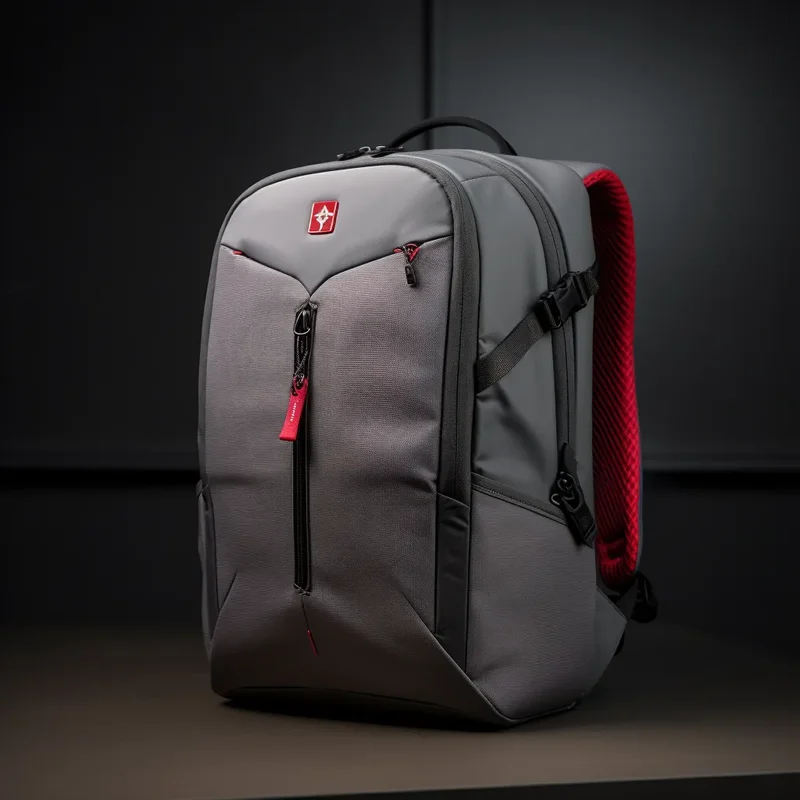
Backpack manufacturers measure capacity using a standardised fill method. The main compartment and every external pocket are filled with small plastic balls, then the balls are poured into a graduated container to measure the total volume. Some manufacturers use water instead of plastic balls, but the principle is identical.
This measurement method is reasonably consistent across the industry, though not perfectly standardised. Some brands include stretch mesh pockets, brain lids, and expansion zips in their volume rating. Others measure only the main compartment. This is why a 30L pack from Brand A might feel slightly smaller than a 30L pack from Brand B. Always check the physical dimensions (length, width, depth in centimetres) alongside the litre rating to get a complete picture.
Complete Backpack Capacity Comparison Table
| Volume | Approximate Dimensions | Best Use Case | Trip Duration | Airline Carry-On? |
|---|---|---|---|---|
| 15L | 42 x 28 x 15 cm | Everyday essentials, light commute | Few hours | Personal item |
| 20L | 45 x 30 x 18 cm | Full daily carry, school, office | Full day | Personal item |
| 25L | 48 x 32 x 20 cm | Day hike, gym, travel day bag | Full day | Personal item |
| 30L | 50 x 34 x 22 cm | Hiking, overnight essentials, travel | 1 night | Often yes |
| 35L | 52 x 35 x 24 cm | Weekend trips, extended day use | 1-2 nights | Often yes |
| 40L | 55 x 35 x 25 cm | Weekend travel, 2-3 night trips | 2-3 nights | Borderline |
| 50L | 65 x 35 x 28 cm | Multi-day hiking, extended travel | 3-5 nights | Checked only |
| 60L | 72 x 38 x 30 cm | Week-long hiking, camping | 5-7 nights | Checked only |
| 70L+ | 75+ x 40+ x 32+ cm | Extended expeditions | 7+ nights | Checked only |
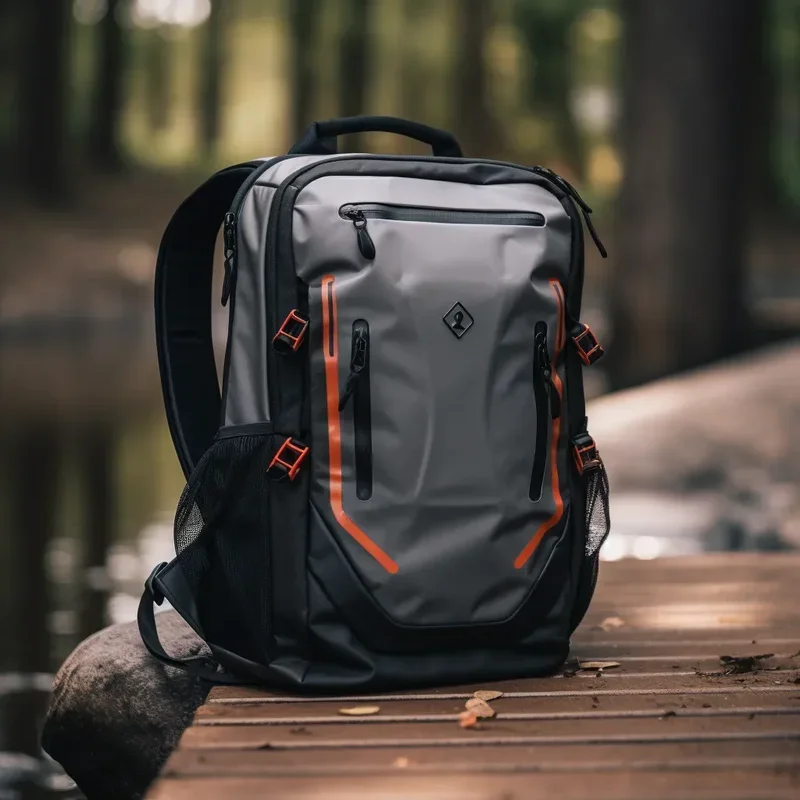
What Fits in Each Backpack Size: Detailed Breakdown
15 Litres: The Minimalist
A 15L backpack is barely larger than a large messenger bag. It handles daily essentials without accommodating anything bulky. Think of it as a backpack-shaped organiser for the bare necessities.
- 13-inch laptop or tablet in a thin sleeve
- Phone and wallet
- Small water bottle (350ml)
- Earphones and charging cable
- Light rain shell or windbreaker
- Keys and sunglasses case
Ideal for: Quick errands, minimalist commuters, cycling, running, men who carry very little on a daily basis.
20 Litres: The Daily Driver
The 20L backpack is the sweet spot for daily use. It holds everything a man typically needs for a full day at the office, at university, or around town, with room to spare for a light jacket or a small purchase.
- 15-inch laptop in a padded sleeve
- Book or tablet
- 500ml water bottle in side pocket
- Phone charger and power bank
- Light hoodie or jacket
- Phone, wallet, and keys
- Small toiletry bag (deodorant, mints)
- Packed lunch in a small container
Ideal for: Office commuters, university students, daily EDC (everyday carry) enthusiasts, city exploration.
25 Litres: The Versatile All-Rounder
Step up to 25L and you gain meaningful extra space without crossing into hiking backpack territory. This size bridges the gap between daily carry and outdoor day use. Many of the best men's commuter backpacks fall in this range.
- 15-inch laptop in padded compartment
- Tablet or e-reader
- 750ml water bottle
- Full change of clothes (T-shirt, trousers, underwear)
- Gym shoes in a stuff sack
- Toiletry bag with full-size deodorant and shampoo travel bottles
- Light rain jacket
- Lunch box and snacks
- All daily carry items (phone, wallet, keys, chargers)
Ideal for: Men who carry both office gear and gym gear, weekend day hikes with light packing, travel day bag for excursions from a hotel.
30 Litres: The Day Hiker
At 30L, you enter proper outdoor territory. This is the standard daypack size for hiking, trail running support, and outdoor activities that require carrying safety equipment, extra layers, and substantial food and water supplies.
- 2-3 litre hydration bladder or 2 x 1L water bottles
- Rain jacket and rain trousers
- Fleece or insulated mid-layer
- First aid kit
- Headlamp and emergency whistle
- Map, compass, and/or GPS device
- Trail food for 6-8 hours (bars, sandwiches, fruit)
- Sun hat, gloves, and buff
- 15-inch laptop in a separate sleeve (for commuter use)
- Change of clothes and light toiletry bag
Ideal for: Full day hiking, mountain walking, outdoor photography, men who want one pack for both commuting and outdoor activities.
35 Litres: The Weekend Warrior
Thirty-five litres is the crossover point between day use and overnight capability. With efficient packing, this size can handle a single overnight trip in mild conditions or serve as a minimalist carry-on travel bag for two to three nights.
- All 30L day hiking items listed above, plus:
- Lightweight sleeping bag or quilt (compressed)
- Bivy shelter or lightweight tarp
- Inflatable sleeping pad (packed small)
- One night's food and a compact cooking system
- OR for travel: 3 days of clothing packed in cubes, toiletry kit, electronics, one pair of shoes, travel jacket
Ideal for: Summer overnight hiking, minimalist weekend camping, carry-on travel for short trips, men who split time between commuting and overnight trips.
40 Litres: The Travel Standard
Forty litres has become something of a magic number in the backpacking travel community. It is the largest size that typically qualifies as airline carry-on, it holds enough for three to five days of travel, and it forces you to pack efficiently. Many dedicated travel backpacks are built around the 40L capacity.
- 5-7 T-shirts or shirts (rolled or packed in cubes)
- 2 pairs of trousers or shorts
- Underwear and socks for 5 days
- One pair of shoes (worn on travel day or packed)
- Toiletry bag with full travel-size bottles
- Light jacket or fleece
- Laptop and tablet with chargers
- Travel documents, book, earphones
- Swimwear and microfiber towel
- Small laundry bag for dirty clothes
Ideal for: Airline carry-on travel for 3-5 days, weekend hiking with full camping gear, one-bag travel philosophy, men who want maximum versatility from a single pack.
50 Litres: The Multi-Day Pack
At 50L, you have entered the dedicated multi-day category. These packs carry enough gear and supplies for three to five nights of hiking or camping, or seven to ten days of travel if you are committed to packing light. The harness systems at this size are substantially more robust, with proper hip belts and load transfer frames.
- Tent (2-person, 3-season)
- Sleeping bag rated to 0 degrees Celsius
- Sleeping pad (inflatable or foam)
- Compact stove and fuel canister
- Pot, utensils, and mug
- 3-5 days of dehydrated food
- Water filter or purification system
- Full clothing system including insulation and rain gear
- Headlamp, first aid kit, navigation tools
- Toiletries and personal items
Ideal for: Multi-day hiking and backpacking, extended travel trips, thru-hiking sections, camping festivals and events.
60 Litres and Beyond: The Expedition Class
Packs of 60L and above are purpose-built for extended trips where you need to carry substantial gear and supplies. These are serious tools for serious adventures, and they carry weight accordingly, even when empty.
- Everything in the 50L packing list, plus:
- Additional 2-3 days of food (500-750g per day)
- Bear canister or animal-proof food storage
- Extra insulation layers for cold weather
- Technical equipment (ice axe, crampons, rope)
- Larger tent or basecamp shelter
- Camera equipment or scientific instruments
- Group gear (shared tent, cooking system, water treatment)
Ideal for: Week-long wilderness trips, winter mountaineering, parent-carrying-family-gear scenarios, thru-hiking with infrequent resupply.
Capacity vs. Activity: Quick Selection Guide
| Your Activity | Recommended Volume | Why This Size Works |
|---|---|---|
| Office / university daily | 18-25L | Holds laptop, books, lunch, and daily essentials without bulk |
| Commuting with gym gear | 25-35L | Separates work items from gym shoes and clothes |
| Day hiking (no overnight) | 20-30L | Carries water, food, safety gear, and extra layers |
| One-night backpacking | 35-45L | Fits shelter, sleep system, food, and safety essentials |
| Multi-day hiking (3-5 days) | 50-65L | Accommodates full camping kit plus food and supplies |
| Airline carry-on travel (3-5 days) | 35-40L | Maximum volume that fits carry-on restrictions |
| Extended travel (1-2 weeks) | 40-55L | Holds enough clothing and gear for extended trips |
| Winter mountaineering | 60-80L | Accommodates bulky insulation and technical equipment |
The Packing Efficiency Factor
It is important to understand that the effective capacity of a backpack depends heavily on how efficiently you pack. Two men with identical 40L packs can have dramatically different experiences based on their packing technique.
Packing Strategies That Maximise Capacity
- Roll, do not fold. Rolling clothes compresses them more tightly than folding and eliminates air pockets. This alone can increase your effective capacity by 15-20 percent.
- Use packing cubes. Cubes compress clothing into uniform rectangles that stack efficiently. They also keep items organised so you can find things without unpacking everything.
- Fill dead space. Stuff socks inside shoes. Place small items inside your cooking pot. Fill every cavity. Unused space inside a packed item is wasted capacity.
- Pack by priority. Items you need first (rain jacket, snacks, map) go in external pockets and the top of the main compartment. Items you need last (sleeping bag, camp clothes) go at the bottom.
- Compress aggressively. Use compression straps to squeeze the pack down to its smallest possible profile. This stabilises the load and prevents items from shifting during movement.
Litre Capacity vs. External Dimensions
While litres tell you about volume, the physical dimensions of a backpack determine whether specific items fit. A tall, narrow 30L pack might hold the same volume as a short, wide 30L pack, but one can accommodate a 17-inch laptop vertically while the other cannot.
Always check the laptop compartment dimensions if you need to carry a computer. Most 20-25L packs accommodate laptops up to 15 inches. Packs below 20L typically fit only 13-inch laptops or tablets. Packs above 30L generally handle 17-inch laptops, though you should always verify the specific compartment measurements.
Common Misconceptions About Backpack Litres
"Bigger Is Always Better"
Many men default to the largest pack they think they might ever need. This is a mistake. A larger pack encourages over-packing, which adds weight and reduces comfort. The best approach is to identify your typical use case, choose a pack that fits that use case with about 20 percent spare capacity, and upgrade only when you have a proven need for more space.
"All 30L Packs Are the Same Size"
They are not. As discussed, different brands measure differently, and the shape of the pack matters enormously. A 30L ultralight hiking pack will be tall and narrow with minimal padding, while a 30L travel backpack will be shorter and wider with organisational features that consume internal space. Never assume two packs of the same litre rating will hold the same items in the same way.
"More Litres Means Heavier"
A backpack's empty weight depends on its materials and construction, not its volume. A 40L ultralight pack can weigh 600 grams, while a heavily padded 25L travel pack can weigh 1.8 kilograms. If weight matters to you, check the manufacturer's weight specification, not the capacity.
Conclusion
Backpack litres measure volume, not capability. Understanding what that volume translates to in real-world packing terms is the key to choosing the right size for your needs. Use the capacity cards above as your reference, match the volume to your specific activity and trip duration, and remember that efficient packing techniques can make a smaller pack feel larger than its rating suggests.
Frequently Asked Questions
What does the litre capacity of a backpack actually mean?
The litre capacity refers to the total internal volume of the bag, measured by filling every compartment with small plastic balls or water. A 30L backpack holds 30 litres of stuff, roughly equivalent to the volume of a medium-sized microwave oven.
How many litres do I need for a day hike?
For a typical day hike, 20-30L is ideal. A 20L pack works for shorter hikes with water, snacks, and a light jacket. A 25-30L pack handles longer day hikes with additional water, first aid kit, rain gear, and insulation layers.
Is a 40L backpack big enough for a week of travel?
A 40L backpack can work for a week of travel if you pack light with access to laundry. You will need versatile clothing, minimal shoes, and efficient packing. For comfortable week-long travel without laundry, most men prefer 45-55L.
What size backpack fits under an aeroplane seat?
A backpack between 15 and 25 litres typically fits under an aeroplane seat. Soft-sided backpacks in the 20L range can compress to fit the approximately 45cm x 35cm x 20cm under-seat space.
How is backpack volume measured by manufacturers?
Manufacturers fill the main compartment and all pockets with small plastic balls or water, then measure the total volume. Some brands include stretch pockets and brain lids in the rating while others do not.
Does a higher litre backpack always weigh more?
No. A 40L ultralight pack can weigh under 700g, while a padded 30L travel pack can exceed 1.5kg. Litre capacity measures volume, not weight. Materials and padding determine empty weight.
What can I fit in a 20L backpack?
A 20L backpack fits a 15-inch laptop, book or tablet, water bottle, phone charger, light jacket, phone and wallet, toiletry bag, and earphones. It is ideal for daily commuting and school use.
Continue Your Backpack Research
Dive deeper into backpack sizing with our related guides.
Backpack Size Guide How to Measure Torso Length Sizing for Short vs. Tall Men Adjustable vs. Fixed Torso Packs Is Your Backpack Too Big or Small?