Best Backpacks for Campervan Trips in the UK: The Shore Pack Principle
A campervan removes the luggage problem that governs every other kind of trip: the bulk of your kit never has to move. That change flips the brief. The pack you carry is not a travel pack at all, it is a shore pack sized for the six to ten hours you spend away from the van, and it has to live in a locker 400-500 mm wide, survive condensation at 90 per cent humidity inside the van, and handle a summit walk in the same day. Eighteen to twenty-eight litres at 3-6 kg covers essentially every case a UK road trip throws at it.
This guide works through the shore pack principle, the locker and storage geometry inside a typical UK conversion, the damp and mould problem that ruins more kit than rain does, and the loadout for a full day off the van. It then covers the Highland summer variables, harness fit for uneven ground, and the fabric and hardware specifications for a pack that spends its nights in a wet locker and its days on wet grass.
The Campervan Changes the Job Your Pack Does
On a walking holiday or a rail trip, the pack carries everything you own and the volume question dominates. On a campervan trip the van carries everything, and the pack's job collapses into a single day's excursion. That reframing has a practical consequence most people only discover on day three: the 55-litre travel pack they brought is too big to leave on the floor, too bulky for any locker, and gets in the way every time the rock-and-roll bed is folded out. What is actually needed is a pack that carries water, food, layers, a camera and a first aid kit for one day, and then disappears into a compartment.
The second consequence is that the pack works harder per litre than a travel pack does. It is lifted in and out of a side door opening roughly 600-900 mm wide, set down on wet grass, gravel and rock, shoved into a locker beside a hook-up cable, and then carried for six to ten hours over terrain that on a UK trip might be a Lake District fell in the morning and a harbour walk in the afternoon. A travel pack is optimised for carrying a static load between two fixed points; a shore pack is optimised for being handled roughly, stowed quickly and then worn comfortably at a fraction of the weight.
- The van carries the bulk; the pack carries six to ten hours of day kit
- Target 18-28 litres at 3-6 kg for a full day away from the vehicle
- The pack must stow in a locker roughly 400-500 mm wide
- Expect the pack to be handled roughly and set down on wet ground daily
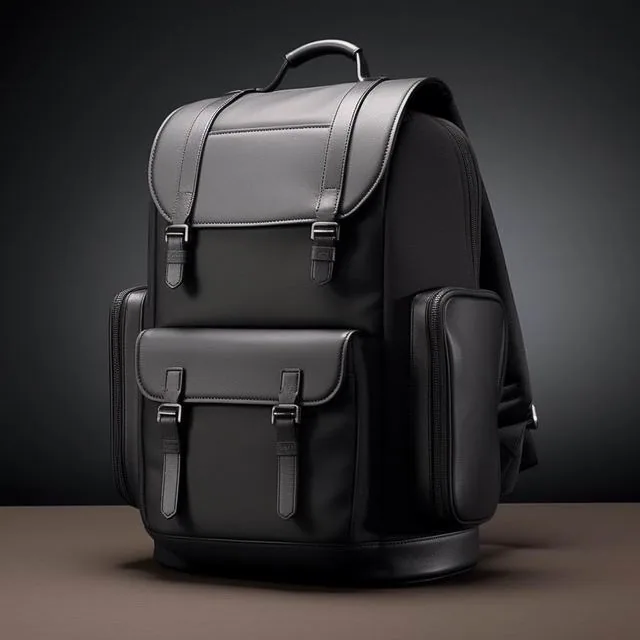
Sizing a Shore Pack: 18 to 28 Litres
Eighteen litres is the size for a coastal path section, a short forest loop or a town day: water, a shell, lunch, a camera and a small first aid kit, at around 3-4 kg. Twenty-eight litres is the size for a full day on the fells: the same kit plus a warm mid-layer, hat and gloves, a map and compass, an emergency bothy bag and a head torch, at around 5-6 kg. Below 18 litres you cannot carry enough water for a summer day in the Lakes or the Highlands; above 28 litres you are carrying a pack that will not stow where you need it to and that encourages you to overload it on a day when the walk does not justify it.
The load is also unusual in its density. Water dominates: two litres weighs 2 kg and occupies 2 litres exactly, which is why a shore pack's weight climbs fast while its volume stays modest. Food for a day adds 0.8-1.2 kg, a waterproof shell 0.4-0.6 kg, and camera gear anywhere from 0.5 to 2 kg. Because the load is dense rather than bulky, the pack does not need the same volume headroom a travel pack does, but it does need a harness able to handle 6 kg without the shoulder straps doing all the work. A hip belt on a 22-litre pack is not overkill; it is the difference between comfort and a sore back by 15:00.
| Day type | Volume | Weight | Key contents |
|---|---|---|---|
| Coastal section, 4-6 hours | 18-20 litres | 3-4 kg | 2L water, shell, lunch, camera |
| Fell day, 8-10 hours | 24-28 litres | 5-6 kg | Plus mid-layer, map, bothy bag |
| Town, harbour, distillery | 15-18 litres | 2-3 kg | Water, camera, layer, purchases |
| Wild camp overnighter | 28-32 litres | 7-9 kg | Adds sleep system and stove |
Where the Pack Actually Lives in the Van
Storage is the constraint that decides whether a pack works on a campervan trip. Overhead lockers in a typical panel-van conversion are 400-500 mm tall, 300-400 mm deep and 600-1,200 mm wide, while under-seat and under-bed compartments vary enormously but frequently have apertures limited by the bed mechanism to around 350-450 mm. A 22-litre pack at roughly 480 x 280 x 200 mm goes into all of them. A 45-litre travel pack at 550 x 340 x 240 mm will fit some and jam others, and once it jams you start leaving it on the floor, which is where the trouble begins.
Floor storage is the enemy in a small van for three reasons. It blocks the walkway between the cab and the living area, which matters at 06:00 when someone needs the toilet. It sits in the puddle that forms by the sliding door after a wet night. And it collects the condensation that runs down the interior panels and pools along the floor edge, which in a UK autumn is a near-daily occurrence rather than an occasional one. A pack with a dedicated home in a locker, hung from a hook by its grab loop or stowed base down, solves all three and takes about four seconds longer to put away.
- Overhead lockers are typically 400-500 mm tall and 300-400 mm deep
- Under-bed apertures are often restricted to 350-450 mm by the bed frame
- Hang by the grab loop or stow base down, never leave on the floor by the door
- Keep the pack away from the hook-up cable and the gas locker
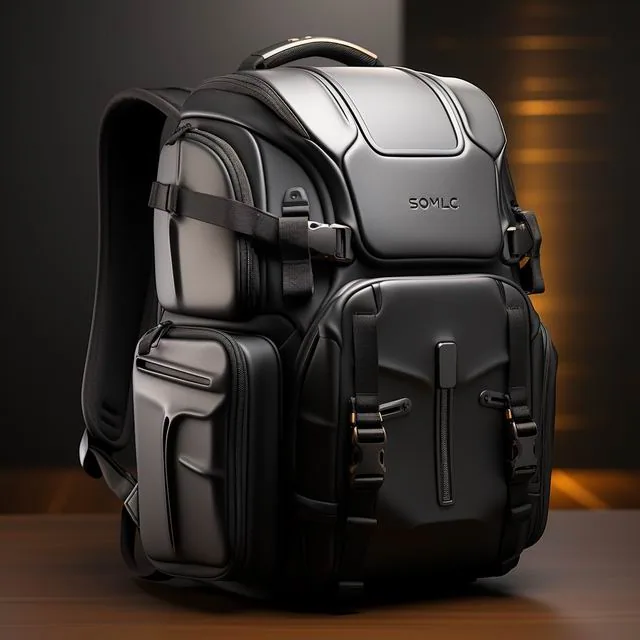
Damp, Condensation and Mould Inside a Van
A campervan with two occupants produces roughly 1.5 to 3 litres of water vapour overnight from breathing and cooking, and most of it condenses on the coldest surface available. Interior relative humidity in an unventilated UK van in October routinely sits at 85-95 per cent overnight, which is enough for mould to establish on fabric in three to five days of continuous damp. The pack is a prime target because it is the largest textile object in the van and it is usually stowed against an exterior panel. Mould on a backpack is not a cosmetic problem; it penetrates the foam of the harness and cannot be fully removed.
Three habits control it. Ventilate: a roof vent left cracked plus a window open 20-30 mm reduces overnight humidity by roughly 15-25 percentage points, which is the single most effective intervention. Separate: keep the pack off the exterior wall using a small stuff sack or by hanging it in a central locker, since contact with a cold panel is what starts the condensation locally. Dry: empty the pack each evening, open every compartment, and hang it open for an hour with the heater or a vent running. A 10 g silica sachet kept in the main compartment costs almost nothing and removes most of the residual risk across a two-week trip.
A pack set down on dew-covered grass for twenty minutes absorbs enough water to raise its weight by 200-400 g. Use a pack with a coated base panel, or carry a lightweight sit-mat to put it on. Never stow a damp pack in a closed locker.
The Loadout for a Full Day Off the Van
The shore pack loadout differs from a standard day walk because the van acts as a resupply point rather than as a base you return to at the first sign of trouble. Water at 2 litres for a summer fell day, 1.5 litres for a coastal path, is the baseline; add a filter bottle or tablets if you are going above 600 m in the Highlands where reliable sources are common. Food should be calorie-dense and non-crushable: 2,500-3,500 kJ in sandwiches, plus 200-300 g of nuts or dried fruit, and something that will not be ruined by being sat on. A small first aid kit of 200-300 g covering plasters, blister treatment, antihistamine and a triangular bandage is worth the weight.
| Item | Weight | Notes |
|---|---|---|
| Water, 2 litres | 2.0 kg | 1.5 L suffices for coastal paths |
| Food for the day | 0.8-1.2 kg | Non-crushable, 2,500-3,500 kJ |
| Waterproof shell | 0.4-0.6 kg | Hydrostatic head 10,000 mm or more |
| Insulating mid-layer | 0.3-0.5 kg | Even in summer above 600 m |
| First aid and bothy bag | 0.3-0.5 kg | Blister kit, bandage, emergency shelter |
The items people forget on a campervan trip are the ones that assume the van is always there. Carry a head torch even on a six-hour walk, because a twisted ankle at 17:00 in October turns into darkness at 18:30. Carry a paper map or a downloaded offline map, since roughly a third of the Highlands and large parts of the Lake District have no usable mobile signal. Carry a small power bank, because cold and navigation drain a phone faster than expected. And carry the van keys, a head torch and a phone in the same pocket every single time: the most common campervan emergency is not a breakdown, it is being locked out at a trailhead in the rain.
Midges, Sun and Sudden Weather
Two seasonal hazards shape a UK campervan trip between May and September. The Highland midge peaks from late May to early September, particularly on calm, overcast, damp mornings and evenings below about 15C and away from any breeze. Midge activity is worst within 200 m of standing water and shelter, which is exactly where vans get parked. Effective protection is a head net weighing 20-30 g plus an insect repellent, and the smartest packing move is to keep both in an outside pocket rather than at the bottom of the pack. A van with a midge screen on the sliding door solves the problem at the vehicle.
The other is the weather turn. UK mountain weather can move from 18C and clear to 8C with 40 mm/h rain and 60 km/h gusts inside two hours, and the pack has to accommodate the kit for both states at once. That argues for a pack with a designated wet compartment or at minimum a liner, plus compression straps that let you strap a wet shell to the outside rather than packing it in. Sunglasses, sunscreen and 1.5 litres of water for a 25C coastal day belong in the same pack as a hat, gloves and a bothy bag. It is not over-packing, it is the normal operating condition for a British summer.
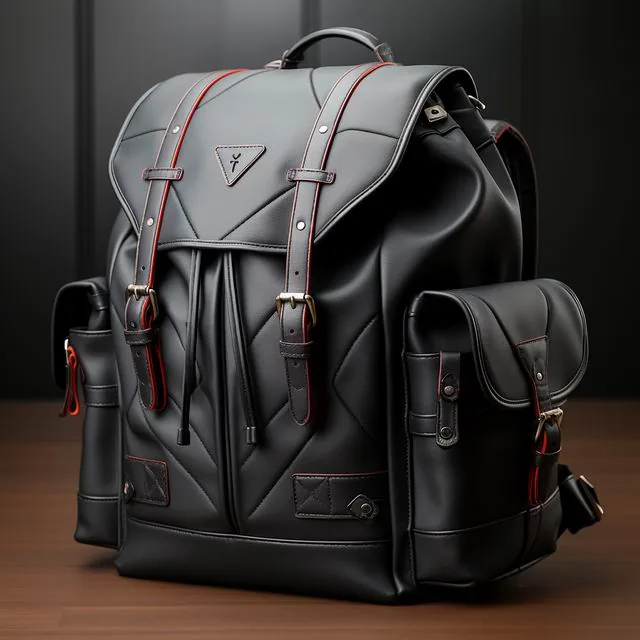
Harness Fit for Uneven Ground
A shore pack at 5-6 kg sits below the thresholds most load-carriage guidance concerns itself with, which is exactly why harness quality gets ignored and then regretted. Manual handling guidance used in UK workplaces treats loads above roughly 10-15 per cent of body weight as a risk factor for extended carriage, and the Health and Safety Executive publishes the assessment charts at hse.gov.uk. Six kilograms is comfortably inside that threshold for most walkers, but it is carried over scree, wet rock and 1:4 gradients, where a swinging load does more damage than a heavier one carried well. Stability, not padding, is therefore the specification to shop for here.
Stability therefore matters more than padding. A pack with a hip belt 40-60 mm wide and a sternum strap set 30-50 mm below the collarbone stops the load moving on a descent, which is where most minor falls on UK fells happen. Load lifters at roughly 45 degrees pull the top of the pack toward the shoulders so it does not pendulum away on steep ground. Shoulder straps of 55-70 mm with 8-10 mm of foam are sufficient at this weight; more foam adds bulk without improving carry. Compression straps should be used every time, because a half-empty pack that sloshes is the most common cause of instability on a descent.
Fabric, Zips and the Wet-Grass Problem
The dominant wear mode on a shore pack is not abrasion from carrying, it is abrasion from being set down and shoved. The base panel meets gravel, wet grass, granite and the metal lip of a van locker, two or three times a day, for two weeks. Specifying a 600D polyester body with a 900D or laminated base panel and testing abrasion to ISO 12947 at 20,000 cycles or more under a 12 kPa load is appropriate here, with tensile strength verified to ASTM D5034 at 600 N or above in the warp. A hydrostatic head of 1,500 mm or more on the body fabric stops dew soaking through the base in the first twenty minutes.
Hardware choices follow the environment. Zips should be #8 coil on the main compartment with a storm flap, and preferably reverse coil, because grit from a gravel lay-by is the usual cause of zip failure on a van trip. Buckles in acetal tolerate cold-water immersion better than nylon and will not stiffen at 4C. Webbing should be 25 mm polyester bar-tacked at every root with a minimum breaking strain in the 500-900 kg range. Production runs are inspected under ISO 2859-1, typically at AQL 2.5. Drainage matters: a grommet in the base of any wet compartment stops the puddle that otherwise forms after a day in the rain.
| Component | Specification | Failure mode avoided |
|---|---|---|
| Base panel | 900D or laminated, 20,000 cycles ISO 12947 | Gravel and locker-lip abrasion |
| Main zip | Reverse coil #8 with storm flap | Grit ingress from lay-bys |
| Wet compartment | TPU-lined with drain grommet | Water pooling after a wet day |
| Buckles | Acetal side release, 25 mm | Stiffening at low temperature |
Speccing a Shore Pack for a Fleet or Retail Range
Shore packs are a strong category for campervan hire fleets, outdoor retailers and corporate gifting because they sit at a price point that works in volume and they get used daily, which is what a branded item needs. The specification that separates a good one from a bad one is the base panel and the drainage, both of which are invisible on a sample photograph and obvious by week two of a hire season. Commercial terms for a programme of this kind are a MOQ of 500 pcs per style and colourway, sampling in 6-10 working days for a standard build and 12-15 working days where the construction is complex, and bulk production of 35-50 days from approval, shipped FOB Xiamen on T/T 30/70.
QUANZHOU JUNYUAN BAGS is a sourcing and programme-management company established in 2014, coordinating programmes across a 4,950 m² SGS-verified production floor space with 137 colleagues and 7 production lines, with inspection agreed at AQL 2.5 under ISO 2859-1. For a fleet buyer the two decisions worth spending time on are the branding method, since a pack that goes through an industrial laundry needs an embroidered or woven badge rather than a heat transfer, and the spares position, since a 2 per cent annual attrition rate on buckles across a 120-van fleet is a genuine operating cost worth planning for at the point of order.
Frequently Asked Questions
What size backpack do you need for a campervan trip?
Eighteen to twenty-eight litres for a day pack. The van carries the bulk of your kit, so the pack only needs six to ten hours of day kit: 2 litres of water, food, a shell, a mid-layer and a first aid kit. Below 18 litres you cannot carry enough water for a summer fell day; above 28 litres it will not stow in an overhead locker.
Can I use my 40-litre travel backpack on a campervan trip?
You can, but it will annoy you. A 40-litre pack at roughly 550 x 340 x 240 mm jams overhead lockers that are 400-500 mm tall, so it ends up on the floor by the sliding door, where it blocks the walkway and collects condensation. Leave it at home and carry a 22-litre shore pack plus a packable town bag.
How do I stop my backpack going mouldy in a campervan?
Ventilate, separate and dry. Two occupants produce 1.5-3 litres of water vapour overnight; cracking a roof vent and a window by 20-30 mm cuts overnight humidity by 15-25 percentage points. Keep the pack off cold exterior panels, open every compartment each evening, and keep a 10 g silica sachet inside the main compartment. If the pack does get damp, dry it in the cab with the heater running rather than in a closed locker.
How much water should I carry for a UK fell day?
Two litres for a summer fell day of eight to ten hours, or 1.5 litres for a coastal path section of four to six hours. Above 600 m in the Highlands add a filter bottle or purification tablets, since reliable sources are common and carrying four litres is unnecessary weight at 2 kg per two litres. Two litres weighs 2 kg, which is usually the single heaviest item in the pack on a summer day.
Do I need a hip belt on a 22-litre daypack?
Yes, for fell walking. A hip belt 40-60 mm wide stops the load swinging on scree and steep descents, which matters more than padding at this weight. At 5-6 kg the issue is stability rather than load transfer, and a swinging pack is the most common cause of minor falls on descents. Add a sternum strap. Choose a belt that stays stiff under load, since a soft belt rolls and transfers nothing to the pelvis.
How do I protect against midges on a campervan trip?
Carry a head net weighing 20-30 g and an insect repellent, both in an outside pocket rather than at the bottom of the pack. Midge season runs late May to early September, worst on calm, overcast mornings below 15C and within 200 m of standing water. Fit a midge screen to the sliding door too. Park facing whatever breeze you can find, since midges struggle to fly in wind above about 5 km/h.
What should I do with a wet backpack in a campervan?
Never stow a wet pack in a closed locker. Empty it, open every compartment and hang it for an hour with a vent open or the heater running. A pack set on dew-covered grass for twenty minutes absorbs enough water to add 200-400 g, and a coated base panel or a sit-mat prevents most of that absorption. A pack stored wet for three nights in a closed locker will usually show the first signs of mould.
What are the most forgotten items on a campervan day walk?
A head torch, an offline map and the van keys. Roughly a third of the Highlands and large parts of the Lake District have no usable mobile signal, and darkness falls by 18:30 in October. Keep the keys, torch and phone in the same pocket every time; being locked out at a trailhead is the most common van emergency. A 100 g bothy bag covers the case where the walk takes two hours longer than planned.
How much should a campervan day pack weigh?
Three to six kilograms. Two litres of water is 2 kg, food 0.8-1.2 kg, a shell 0.4-0.6 kg, a mid-layer 0.3-0.5 kg and a first aid kit 0.3-0.5 kg. That sits comfortably under the 10-15 per cent of body weight threshold used in UK manual handling guidance for extended carriage, even across a ten-hour day. Water is the heaviest component, so fill up at the van rather than carrying a spare bottle all day.
Will a backpack fit in a campervan overhead locker?
A 22-litre pack at roughly 480 x 280 x 200 mm fits overhead lockers that are typically 400-500 mm tall and 300-400 mm deep, and most under-bed apertures of 350-450 mm. Measure your specific conversion first, since the rock-and-roll bed mechanism is the usual cause of a restricted opening in the rear. A 28-litre pack at roughly 510 x 300 x 220 mm still fits most overhead units in a panel-van conversion.
What fabric specification suits a campervan day pack?
A 600D polyester body with a 900D or laminated base panel, abrasion tested to ISO 12947 at 20,000 cycles or more under 12 kPa, tensile strength to ASTM D5034 at 600 N or above, a hydrostatic head of 1,500 mm or more, and a reverse-coil #8 zip with a storm flap to keep grit out. A drain grommet in the base of any wet compartment stops the puddle that forms after a day in rain.
Is a packable daypack good enough for a campervan trip?
For town and coastal days, yes. For fell days, no: packable sacks at 15-20 litres usually have unpadded hip belts and thin shoulder straps, which is fine for 3 kg and poor for 6 kg over uneven ground. Carry one 22-28 litre pack instead, plus a packable sack for shopping, laundry and town days. A packable sack is the right choice for the harbour walk, the distillery and the supermarket run.
Building a Shore Pack for a Retail or Fleet Range
Shore packs earn their place in a range through daily use, which makes the base panel, the drainage and the branding method the three specifications worth arguing about before sampling. Terms for a programme of this kind are a MOQ of 500 pcs per style and colourway, sampling in 6-10 working days (12-15 for complex builds), bulk production of 35-50 days, inspection at AQL 2.5 under ISO 2859-1, FOB Xiamen and T/T 30/70.
QUANZHOU JUNYUAN BAGS, established in 2014, is a sourcing and programme-management company coordinating a 4,950 m² SGS-verified production floor space with 137 colleagues and 7 production lines. Our production team will review a tech pack or reference sample and return costed options covering abrasion specification, drainage and the branding method that survives an industrial laundry.
Email: service@junyuanbags.com
WhatsApp: +86 177 5002 0688