Back Panel Ventilation: Mesh, Channels and Frames, Compared by Heat, Load and Humidity
Back sweat is a heat and moisture transport problem, and the four common panel architectures solve it differently: contact foam with channels manages conduction, while suspended mesh buys convective airflow at the cost of 30-60mm of centre-of-gravity offset. Neither wins everywhere.
This guide sets out how each panel type moves heat, what it costs in stability and empty weight, how UK humidity changes the result, and how to write the panel into a specification that survives sampling and bulk.
Why Backs Get Wet: The Two Heat Paths
A loaded pack traps heat that the back would otherwise lose by convection and evaporation. During steady walking an adult produces 300-600 watts of metabolic heat, and a significant share of that leaves through the torso. Put a pack against the back and you block both paths at once: the panel conducts a little heat into the pack body, but airflow stops and sweat can no longer evaporate into moving air. The two paths behave differently, which is why no single panel type can solve both at once. Specify the bar-tack length at every strap root rather than leaving it to the floor.
That is the familiar wet shirt, and it arrives faster in humid conditions. The framing also explains why no single panel type dominates. A contact foam panel keeps the load close, which helps stability, but removes only a modest amount of heat. A suspended mesh panel restores airflow across almost the whole back, which helps evaporation enormously, but it moves the pack away from the spine. Decide between them from the load you carry and the humidity you carry it in, not from branding. Check the stitch density in stitches per centimetre and record the figure on the pack sheet. Ask whether the main seams are taped or only overlapped before claiming any water resistance.
- Walking generates 300-600 watts of metabolic heat
- A pack blocks convection and evaporation at once
- Contact panels remove heat mainly by conduction
- Suspended mesh restores airflow but moves the load back
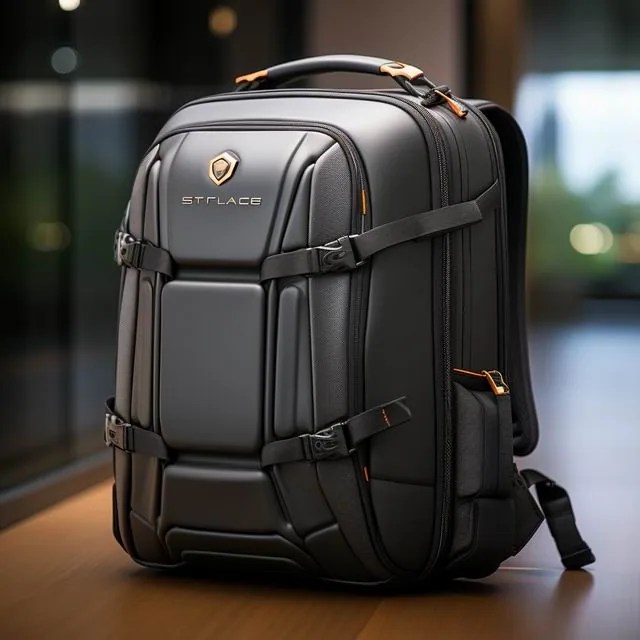
Contact Foam with Moulded Channels
The simplest architecture is a laminated foam panel with vertical or chevron channels moulded into the face. The foam does the load carrying and the channels provide a narrow path for air to move as the body shifts. In practice the gain is modest: channels are typically 4-8mm deep and compress under load, so airflow is limited rather than genuinely free. Expect a cooler feel rather than a genuinely dry back on a humid British summer afternoon. Verify the hardware grade and finish, because corrosion shows early on commuter packs. Confirm the foam density in kilograms per cubic metre rather than accepting a description.
What the channels do deliver is a reduction in flat contact area, which lowers the clammy feeling even where it does not lower skin temperature much. The advantage is structural. Because the panel sits against the back, the load stays close to the spine and the pack feels controlled on rough ground, on stairs and on a bike. It is also easy to clean, with no enclosed cavity to trap salt. For urban ranges that combination of stability, low weight and easy cleaning usually wins. Ask for the mesh weight in grams per square metre on any suspended panel specified. Check the binding specification, since edge roll shortens service life on wide straps.
Suspended Mesh (Trampoline) Systems
A suspended panel stretches a mesh sheet across a perimeter frame, creating an air gap of 15-40mm between the mesh and the pack body. That gap does the work: air circulates across the whole back, and sweat evaporates instead of pooling. On a warm, dry day at 20 degrees and 50% relative humidity the difference is obvious within about 15 minutes of steady walking. The gain is greatest when the air is dry and the pace keeps air moving through the gap. Confirm the frame sheet material and section so it cannot be swapped for a lighter one. Ask which finish is applied and whether it is durable water repellent or a coating.
It is the most effective ventilation architecture available in a soft pack. The costs are real, however. Moving the pack away from the spine increases the lever arm pulling you backwards, and the mesh adds 60-140g of empty weight depending on panel area. Under heavy loads the mesh deflects, reducing the gap exactly when you most want it. That is why suspended systems suit moderate loads rather than the heaviest packs in a range. Verify the liner specification, because hydrolysis affects the coating rather than the yarn. Check whether the base panel uses a heavier denier than the body of the pack. Confirm the webbing width and breaking strain for every adjustable strap on the pack.
| Panel type | Air gap | Empty weight penalty | Best load band |
|---|---|---|---|
| Contact foam, channels | 0-8mm | Baseline | 3-10kg |
| Suspended mesh | 15-40mm | plus 60-140g | 5-12kg |
| Perimeter frame gap | 10-25mm | plus 40-90g | 8-15kg |
| Rigid frame, lumbar pad | 5-20mm | plus 80-200g | 12-22kg |
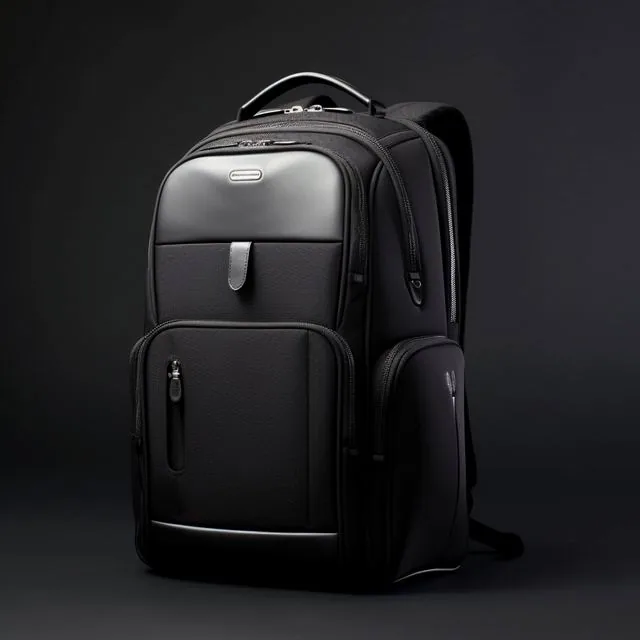
Perimeter-Frame Air Gaps
Between the two extremes sits the perimeter-frame panel: a stiff hoop, usually moulded polyethylene or a bent aluminium stay, that holds the pack body off the back at the edges while a thinner foam pad covers the centre. The result is a partial air gap of 10-25mm that survives loading better than mesh, because the hoop rather than the fabric carries the deflection. Specify the hoop material and section so it cannot be swapped for a lighter one later. Ask for the zip chain size and slider type, since both affect serviceability later. Specify the care label content so it matches the fibre composition actually used.
It suits travel and mixed use particularly well, which is why it appears across so many mid-size packs. It carries 8-15kg without feeling vague, it does not sag as much as mesh under weight, and the central pad gives a stable lumbar contact point. The compromise is that the pad still gets wet, the hoop adds width, and repair is harder because the frame is buried in the panel. It suits travel and mixed use, but repair is harder once the frame is buried in the panel. Plan around MOQ 500 pcs per style and colourway when you build the first range. Allow 6-10 working days for sampling, or 12-15 where the build is genuinely complex.
Rigid Frames with Removable Lumbar Pads
For loads above roughly 12kg, ventilation stops being the priority and load transfer takes over. Framed packs use a stiff sheet or twin alloy stays to move weight down to the hip belt, and contact with the back becomes deliberate rather than something to avoid. Ventilation here comes from a modest gap across the upper panel plus a removable lumbar pad. Above roughly 12kg, load transfer to the belt matters more than any ventilation feature. Hold 35-50 days for bulk production when you set the launch date for the range. Agree inspection to AQL 2.5 under ISO 2859-1 before the first bulk lot is offered.
That pad is the detail worth specifying, because it is the wettest part of any panel and the easiest to dry once removed. Pads should attach with hook-and-loop over at least 80 cm2 so they stay put under load, and a spare belongs in the kit for trips longer than three days. A pad that can be dried on the outside of the pack beats an extra 10mm of mesh. Quote FOB Xiamen and T/T 30/70 in the brief so commercial terms are settled early. Confirm fabric mill minimums during quotation, because a late surcharge is rarely recoverable. Request a signed reference swatch per colourway before bulk cutting is scheduled to begin.
The Centre-of-Gravity Penalty
The physics is unforgiving. A pack body sitting 30mm further from the spine increases the backwards moment by roughly 30mm times the load. At 10kg that is an extra moment your back extensors and abdominal bracing have to resist for every minute of the walk. It explains why heavy loads on suspended mesh systems can feel harder than the same load on a contact panel. Multiplying the offset by the load gives the extra moment your back must resist each minute. Ask for a pre-production sample built from production fabric, not from substitute stock. Plan a re-order specification check so the fit approved once is reproduced every time.
The mitigation is packing discipline. Keep dense items high and close, in the band directly between the shoulder blades and no more than 100mm from the back panel. Keep soft, light items low and out. On a suspended system this matters more rather than less, because the starting geometry is already offset. Check the side profile before you set off. Check the side profile before you set off rather than after an hour on the trail. Confirm packaging and transit compression limits before the first bulk shipment leaves. Record the approved standard and its revision number on the programme documentation. Keep the sampling and bulk timelines aligned with retail launch dates from the outset.
Humidity, Not Just Heat: The UK Case
Evaporation depends on the vapour pressure difference between wet skin and the surrounding air. In the UK, summer relative humidity frequently sits between 70% and 90%, and the air is often close to saturation. That shrinks the gradient, so sweat does not evaporate even when a mesh panel is delivering plenty of airflow. In those conditions the mesh helps far less than buyers expect. Wicking layers matter more than panel choice once relative humidity climbs above 70%. Ask which trims carry the longest lead time and lock those first in the schedule. Confirm the labelling and fibre composition requirements before artwork is finalised.
This is the most common reason a ventilated pack disappoints someone who expected a dry shirt, and it is worth stating plainly on any product page aimed at British customers. Humid heat also carries a health dimension, since the body relies on evaporation to shed metabolic heat and that mechanism degrades as humidity rises. UK guidance on workplace temperature, published by the Health and Safety Executive, treats humidity as a risk multiplier. That is the honest reason to manage moisture at the skin rather than chase airflow. Plan inspection capacity early, since shipping windows rarely move once a launch is set.
- UK summer relative humidity often runs 70-90%
- High humidity shrinks the evaporation gradient
- Airflow helps less when the air is near saturation
- Wicking base layers matter more than panel choice
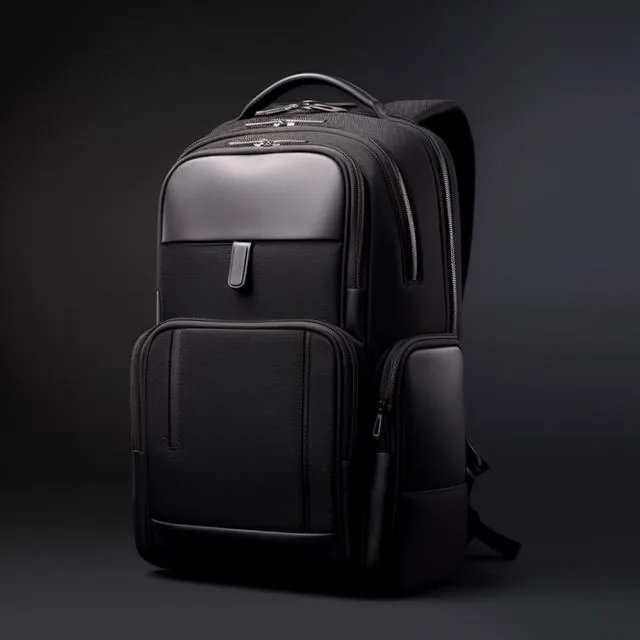
Mesh Care and Service Life
Suspended mesh fails by clogging before it fails by tearing. Salt crystals, body oil and urban particulate build up in the weave, cutting airflow and leaving a stiff grey film. Rinse the panel from the back with lukewarm water after heavy use so salts are flushed out rather than driven further in, then wash with a pH-neutral soap every 15-20 wears using a soft brush. Rinse from the back so salts are flushed out rather than driven deeper into the weave. Agree the acceptance figures in writing so later disputes can be resolved with evidence. Ask for the figure in writing before the sampling round begins, then file it with the tech pack.
Never machine wash a framed panel, because the frame will deform and the pack will never sit right again. The second failure mode is abrasion at the frame contact line, where the mesh wraps the hoop. That line carries most of the tension and shows polish, then thinning, after 2-4 years of daily use. Panels with a reinforced binding over the wrap last considerably longer. Check the frame wrap line every few months, because that is where panels fail first. Confirm which standard each number was measured against before you compare two supplier sheets. Check the report date, because results older than twelve months may not describe current lots.
Matching Panel Type to Use Case
For a daily urban commute of 20-40 minutes carrying 6-9kg, contact foam with channels is the right choice: stable, light, easy to clean and adequate in a climate where humidity limits what airflow can achieve. For long summer walks in dry conditions with 8-12kg, suspended mesh earns its weight penalty. For mixed travel with 10-14kg, a perimeter-frame gap gives the best balance. Carry a spare pad on trips longer than three days, particularly in wet conditions. Verify the specimen size used, since small samples routinely give different numbers from panels. Request the raw data table rather than a single pass or fail line from the testing laboratory.
Above 14kg, prioritise the frame and the hip belt and treat ventilation as secondary. The common buying error is specifying a suspended mesh system on a pack that will be used almost entirely for short urban trips. It adds weight, cost and a cleaning burden, and delivers its benefit precisely when the pack is least likely to be used. Confirm the panel build at sample stage and hold the same construction through bulk. Ask how many specimens were tested behind any figure quoted in the written documentation. Confirm the failure endpoint definition, because a cycle count on its own means very little.
Specifying a Ventilated Panel in Production
A ventilated panel spec should state the mesh type and weight in grams per square metre, the air gap at rest in millimetres, the frame material and section, the perimeter attachment method, and the compression behaviour under a stated load. That last figure is the one usually missing when two suppliers are compared. Test the panel loaded, since a resting air gap says nothing about real performance. Check whether the test included the seam or only the flat base cloth used in construction. Ask which revision of the standard applies, since limits change between published editions. Confirm the test conditions, including temperature and relative humidity, in writing before approval.
A panel holding a 20mm gap at 10kg performs very differently from one collapsing to 6mm under the same weight, so ask for both the resting and the loaded figures. Programme terms follow the standard structure: minimum order quantity is 500 pcs per style and colourway, sampling runs 6-10 working days, or 12-15 for complex builds, and bulk lands at 35-50 days. Inspection is to AQL 2.5 under ISO 2859-1, FOB Xiamen, T/T 30/70. Ask suppliers for both figures so the comparison is based on evidence rather than claims. Keep the signed reference sample with the purchase order for the life of the programme.
Frequently Asked Questions
What are the main types of backpack back panel ventilation?
Four architectures cover most of the market: contact foam with moulded channels at 0-8mm gap, suspended mesh across a frame at 15-40mm, perimeter-frame air gaps at 10-25mm, and rigid frames with removable lumbar pads at 5-20mm. Each trades airflow against load stability and empty weight, so match the architecture to load and climate rather than price. Check the figure again after any trim substitution, because performance can move with components.
Does a suspended mesh back panel actually reduce sweating?
In dry conditions, yes, and noticeably. In UK summer humidity of 70-90% relative, the gain shrinks because sweat cannot evaporate into near-saturated air regardless of airflow. Expect a clear improvement on a dry 20 degree day and a much smaller one on a muggy afternoon, which is the honest way to set expectations. Note the laboratory accreditation scope alongside the result so the report can be relied upon later. Record who approved each sample and on what date, then store it with the approval documents.
How much weight does a ventilated back panel add?
Suspended mesh typically adds 60-140g over a comparable contact panel, depending on panel area and mesh weight. Perimeter-frame systems add 40-90g, and framed expedition panels with removable lumbar pads add 80-200g. On a 20-litre commuter pack that is a meaningful share of empty weight, so weigh the sample before buying. Ask what corrective action applies if a bulk lot falls outside the agreed tolerance band. Confirm the inspection sampling scheme before the bulk run begins rather than at the point of shipment.
Why does a suspended mesh pack feel less stable under heavy loads?
The panel moves the pack body 15-40mm away from the spine, which lengthens the lever arm pulling you backwards. At 10kg the extra moment works the back extensors and abdominal bracing continuously. Packing dense items high and close reduces the effect but does not remove it, which is why suspended systems suit moderate rather than heavy loads. Test a production sample rather than only the sales sample used for catalogue photography.
Is trampoline mesh durable enough for daily commuting?
Yes for 2-4 years of daily use, with care. The usual failure is clogging with salt and oil rather than tearing. Rinse after heavy use, wash with a pH-neutral soap every 15-20 wears, and check the frame wrap line for polished or broken filaments, which signals the end of service life no matter how clean the panel looks. Put every tolerance on the specification so approval is measurable rather than a matter of opinion.
Which back panel works best for a hot and humid commute?
Contact foam with deep channels, combined with a wicking base layer, usually beats suspended mesh in high humidity, because evaporation is limited by the vapour gradient rather than by airflow. Prioritise moisture management at the skin, choose wicking layers over cotton, and keep the load under about 8kg for the walk itself. State the target figure first, then the tolerance, then the method used to verify the result. Name the component, the grade and the finish rather than a single generic line description.
What air gap should a ventilated backpack panel have?
Look for 15-40mm at rest, and ask what the gap is under load. A panel collapsing to 5mm at 10kg delivers very little airflow when it matters most. The compression figure under a stated load is the specification line most often missing from supplier sheets and the most useful one to have on file. List the panels separately, because denier and coating often vary across one finished pack. Attach the laboratory report to the specification so both documents travel together through sampling.
Can you machine wash a backpack with a ventilated back panel?
No. Framed and suspended panels deform in a machine, and the frame can crease permanently. Hand wash with lukewarm water and a pH-neutral soap, use a soft brush on the mesh, rinse from the back, then air dry flat away from radiators and direct heat. Never tumble dry a pack that contains a frame sheet. Specify units for every figure so the brief and the final report cannot drift apart later.
Do ventilation channels really do anything on contact foam panels?
They do something, but less than the marketing implies. Channels are usually 4-8mm deep and compress under load, so airflow is limited. Their main benefit is reducing flat contact area, which cuts the clammy feel. Choose a pattern that still leaves open paths when compressed, and treat back panel choice separately from strap comfort. Note the agreed inspection level on the purchase order as well as in the technical specification.
How much can I load a pack before ventilation stops mattering?
Above roughly 12-14kg, load transfer to the hip belt matters far more than back ventilation. At that point prioritise frame stiffness, hip belt fit and packing discipline rather than airflow. Ventilation remains a genuine comfort feature, but it should not be the main specification driver once loads reach that level. Ask the supplier to restate the agreed figures on the final commercial invoice for traceability purposes. Keep one signed reference swatch per colourway so reorders can be checked against an agreed physical standard.
Are removable lumbar pads worth specifying?
Yes, particularly on framed packs. The lumbar pad is the wettest part of any panel, and being able to remove it and dry it on the outside of the pack over a lunch stop is a real benefit on multi-day trips. Specify hook-and-loop attachment of at least 80 cm2 so it stays put under load. Confirm the approved trim before bulk cutting starts, since substitution can change the finished result.
What mesh weight should I look for on a suspended panel?
Most suspended panels use a monofilament or spacer mesh in the 150-350 gsm range. Lighter mesh breathes better but abrades sooner at the frame wrap line; heavier mesh lasts longer but holds more water. Prioritise a reinforced binding over a higher gsm figure, since the wrap line is where panels fail first. Record the packing method, because compression in transit affects how panels and padding finally sit. State the care instruction on the specification so care testing matches the way users will actually wash it.
Choosing a Panel Architecture for Your Programme
Panel choice should follow the load band and climate the pack will actually meet, not the most demanding scenario in the brief. QUANZHOU JUNYUAN BAGS develops ventilated panel specifications with the compression behaviour stated under load, verifies them at sample stage, and holds the mesh weight, air gap and frame section through bulk production.
Volume terms are uniform: MOQ 500 pcs per style and colourway, sampling 6-10 working days (12-15 for complex builds), bulk 35-50 days, AQL 2.5 under ISO 2859-1, FOB Xiamen, T/T 30/70. In operation since 2014, it manages 4,950 m2 of SGS-verified production floor space with 137 colleagues and 7 production lines.
Email: service@junyuanbags.com
WhatsApp: +86 177 5002 0688