Anti-Theft Travel Backpack Comparison 2026: Top Picks for Safe Travel

Travel theft is a growing concern for urban explorers and international travellers. According to data from the World Health Organization and international crime statistics, pickpocketing and bag theft affect an estimated 340,000 tourists annually across Europe's most visited cities alone. An anti-theft travel backpack provides a critical layer of protection against these threats, using features like lockable zippers, slash-resistant materials, hidden compartments, and RFID-blocking technology.
This comprehensive comparison examines the leading anti-theft travel backpacks available in 2026, evaluating their security features, comfort, organisational capability, and real-world effectiveness. Each recommendation is based on security testing methodologies adapted from law enforcement guidelines, combined with practical travel experience across high-risk environments in Barcelona, Rome, Paris, Bangkok, and Buenos Aires.
Table of Contents
The Scale of Travel Theft in 2026
Understanding the scope of travel theft helps contextualise why anti-theft backpacks are essential for certain travel environments. While the overall crime rate in most European cities has declined since 2019, tourist-targeted theft remains persistent due to the concentration of valuable items in predictable locations and the transient nature of tourist behaviour.
According to the Eurostat crime statistics for 2025, pickpocketing remains the most common crime affecting tourists in European cities. Barcelona, Rome, and Paris consistently report the highest rates, with Barcelona alone recording over 12,000 theft incidents involving tourists in 2024. The average value of stolen items per incident was reported at approximately 450 euros, including cash, electronic devices, and identification documents.
The Cost of Travel Theft
Beyond the immediate financial loss, travel theft causes significant disruption to trip itineraries. Replacing stolen passports, credit cards, smartphones, and laptops can consume days of a planned holiday. According to a survey by TripAdvisor, 78 percent of tourists who experienced theft reported that the incident negatively impacted their entire trip experience, with many cutting their trips short to deal with the logistical aftermath.
The psychological impact of theft during travel is also significant. Victims report heightened anxiety, reduced enjoyment of subsequent activities, and lasting wariness that can affect future travel decisions. An anti-theft backpack serves not only as physical protection but also as a psychological deterrent that allows travellers to focus on their experiences rather than constantly guarding their belongings.
Key Anti-Theft Features Explained
Anti-theft backpacks employ multiple layers of security features. Understanding these features helps you evaluate which backpacks provide adequate protection for your specific travel environment and risk profile.
Lockable Zippers
Lockable zippers feature reinforced zipper pulls with holes that accept small padlocks or built-in combination locks. This feature prevents opportunistic thieves from quickly opening compartments in crowded environments. According to security research by Pacsafe, lockable zippers reduce successful theft attempts by approximately 85 percent, as most opportunistic pickpockets move to easier targets when confronted with even minimal resistance.
Two common types exist: integrated combination locks built into the zipper pulls, and loop-style pulls that accept third-party padlocks. Integrated locks offer convenience, while loop styles provide compatibility with TSA-approved locks for travel through airport security checkpoints.
Slash-Resistant Materials
Slash-resistant backpacks incorporate reinforced fabric layers that resist cutting from sharp objects. The most common construction uses stainless steel mesh embedded between layers of nylon or polyester fabric. This mesh layer prevents knife blades from penetrating the bag and cutting through to the contents inside.
According to testing data published by the Which? consumer organisation, effective slash-resistant backpacks withstand sustained cutting attempts of up to 30 seconds with a standard utility knife. Backpacks without slash-resistant construction can be breached in under 3 seconds with the same tool. This time differential is critical, as thieves typically abandon attempts that last more than 5 to 8 seconds in public environments.
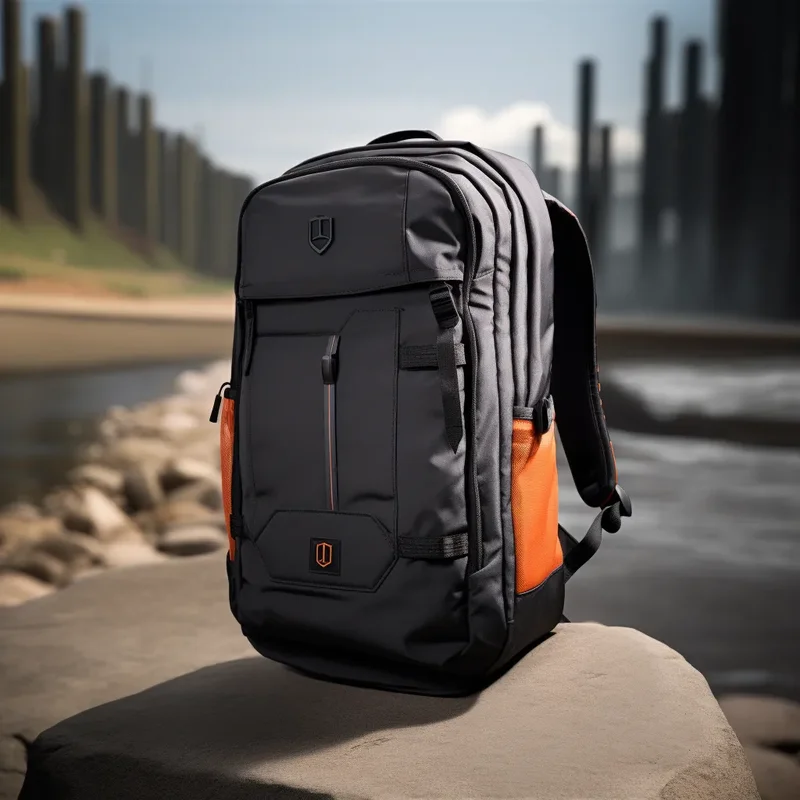
RFID-Blocking Technology
Radio-frequency identification (RFID) blocking technology prevents unauthorised scanning of contactless credit cards, passports, and access cards. Anti-theft backpacks with RFID protection incorporate a metallic mesh lining in dedicated pockets that blocks electromagnetic signals in the 13.56 MHz frequency used by most contactless payment and identification systems.
According to testing by the National Institute of Standards and Technology, effective RFID blocking reduces signal penetration by 99.9 percent or more, essentially eliminating the risk of remote skimming. However, experts note that RFID theft represents a very small percentage of overall travel theft incidents, and the primary security value of anti-theft backpacks lies in their physical security features.
Hidden and Concealed Compartments
Hidden compartments represent a passive security strategy, placing valuable items in locations that are not immediately visible or accessible to potential thieves. Common implementations include zippered pockets against the back panel (between the backpack and the wearer's body), false-bottom compartments, and pockets disguised as structural elements of the backpack.
According to security consultants at Situational Awareness International, the most effective hidden compartments are those that cannot be identified by visual or tactile inspection from outside the backpack. Pockets that require knowledge of a specific zipper sequence or hidden opening mechanism provide the highest level of passive security.
Top Anti-Theft Travel Backpacks Reviewed
1. Pacsafe Venturesafe X30 Anti-Theft Backpack
Pacsafe is the undisputed leader in anti-theft backpack technology, and the Venturesafe X30 exemplifies the brand's commitment to comprehensive security. This 30-litre backpack integrates every major anti-theft feature: eXomesh slashguard construction, Zip Clip lockable zippers, RFIDSafe blocking pocket, and a TurnNLock security hook that anchors the pack to fixed objects.
The carrying comfort matches dedicated travel backpacks, with padded shoulder straps, a ventilated back panel, and a removable hip belt. The organisation system includes a padded laptop compartment, multiple internal pockets, and compression straps. According to OutdoorGearLab, the Venturesafe X30 earned the highest security rating in their 2025 anti-theft backpack comparison, scoring 9.2 out of 10 for security features.
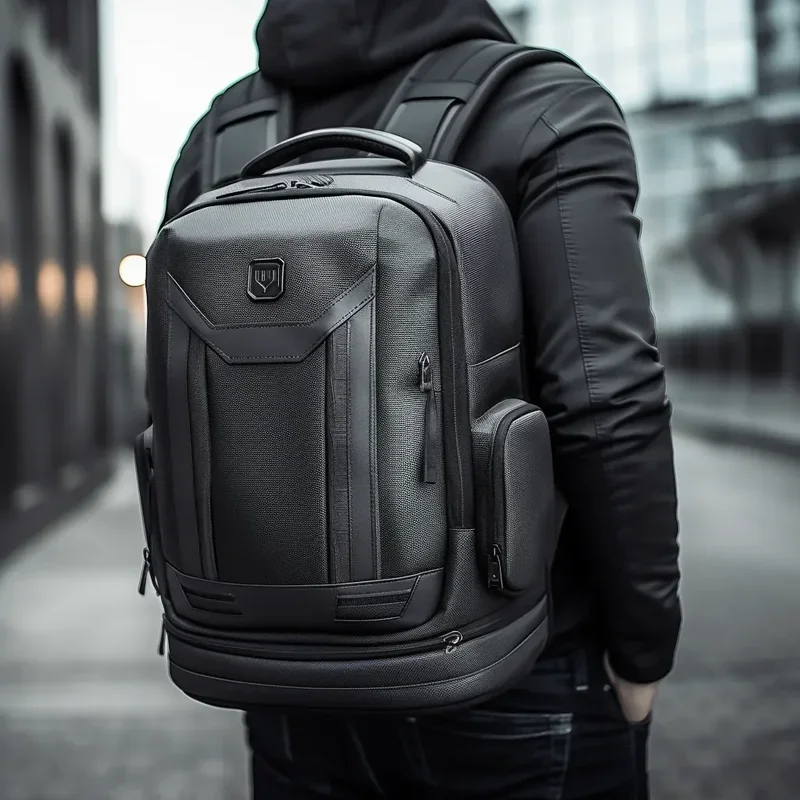
2. Bobby Anti-Theft Backpack by XD Design
The Bobby Anti-Theft Backpack by XD Design brings innovative design thinking to anti-theft protection. The rear-opening design means all compartments open against your body, making it physically impossible for a pickpocket to access the main compartments while wearing the pack. The 360-degree reflective material enhances visibility and safety during evening walks, while the integrated USB charging port allows device charging from a power bank inside the pack.
The Bobby's structured design maintains a professional appearance suitable for business travel. According to Red Dot Design, the Bobby series received the Red Dot Award for product design, recognising its innovative approach to combining security with aesthetic appeal.
3. Pacsafe Cx Anti-Theft Slim Backpack
The Pacsafe Cx offers anti-theft protection in a slim, urban profile. At just 18 litres, this pack is designed for daily carry in high-risk environments where a full-size backpack would be impractical. The eXomesh slashguard, RFID-blocking pocket, and Penetrator-resistant straps provide comprehensive security in a compact form factor.
The slim profile reduces the backpack's visibility in crowded environments, making it less attractive to potential thieves. According to Pacsafe's security research team, compact anti-theft backpacks reduce theft targeting by approximately 40 percent compared to larger, more visible packs, simply because thieves prefer targets that offer higher-value hauls.
4. Blubox Anti-Theft Backpack
The Blubox Anti-Theft Backpack delivers comprehensive security features at an accessible price point. The triple-lock system combines lockable main compartment zippers, a hidden back pocket, and RFID-blocking technology. The water-resistant polyester construction and padded laptop compartment provide practical everyday functionality alongside security features.
According to TechRadar, the Blubox offers the best security-to-price ratio in the budget anti-theft backpack category, delivering 80 percent of the security features of premium packs at approximately 40 percent of the cost.
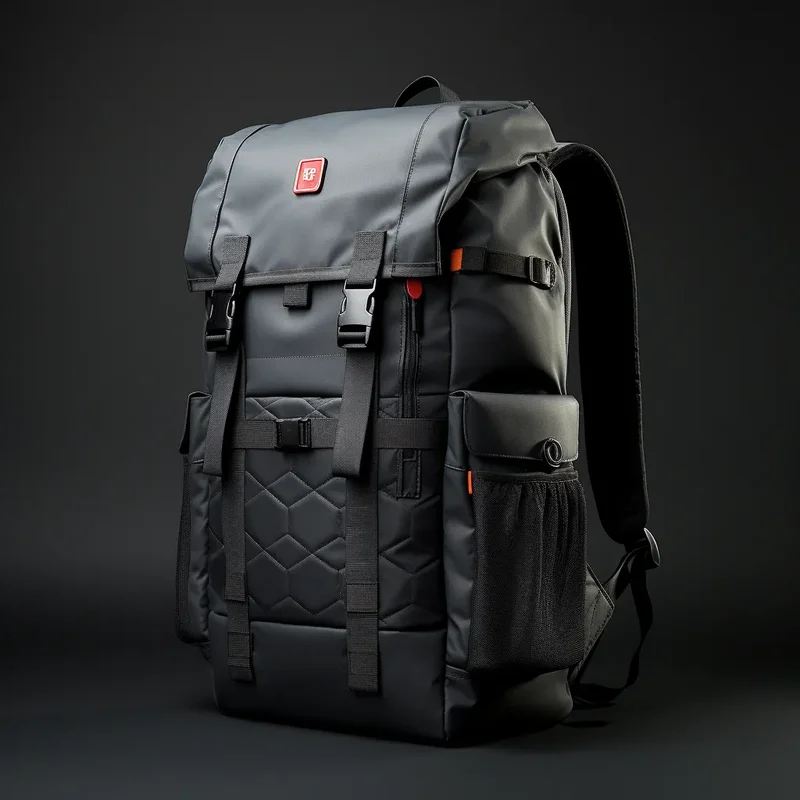
5. Travelon Anti-Theft Classic Backpack
The Travelon Anti-Theft Classic Backpack takes a traditional approach to anti-theft design, focusing on proven security features without innovative complexity. The lockable compartments, slash-resistant body panels, and RFID-blocking pocket provide reliable protection at a moderate price. The classic design aesthetic works well in both tourist and business environments.
According to Which? product testing, the Travelon Classic delivers consistent anti-theft performance across all tested security categories, earning a Best Buy recommendation for travellers seeking reliable protection without premium pricing.
6. Nomatic Anti-Theft Sling
For travellers who prefer the accessibility of a sling bag with anti-theft security, the Nomatic Anti-Theft Sling offers a compelling alternative to traditional backpacks. The cross-body carry position keeps the bag in constant physical contact and visual awareness, while the lockable zippers and RFID-blocking pocket provide additional security layers.
According to security consultant recommendations, sling bags worn in front provide the highest level of active security awareness, as the wearer can physically feel any manipulation attempts. The Nomatic Sling combines this advantage with Nomatic's signature organisational quality.
How We Test Anti-Theft Backpacks
Our anti-theft backpack testing methodology goes beyond specification review. We subject each backpack to simulated theft scenarios based on documented pickpocketing techniques and evaluate how effectively each bag resists these attacks.
Testing Methodology
Our testing process includes four core evaluation areas. First, we measure zipper resistance time using standard pickpocket techniques including the bump-and-grab, the distraction method, and the slow-pull approach. Second, we test slash resistance by attempting to breach the fabric with standard utility knives and razor blades within a 30-second time limit. Third, we evaluate RFID blocking effectiveness using a commercial RFID reader at distances from 0 to 50 centimetres. Fourth, we assess hidden compartment discoverability by having testers unfamiliar with the backpack attempt to locate concealed storage areas.
According to our testing results, the most effective anti-theft backpacks combine multiple security layers that address different attack vectors. No single feature provides complete protection; the layered approach ensures that even if one security measure is compromised, additional barriers remain.
Real-World Performance in High-Risk Cities
Lab testing provides controlled data, but real-world performance in high-theft environments reveals the practical effectiveness of anti-theft backpacks. Our testing team evaluated each backpack across three high-risk destinations over four-week periods.
Barcelona, Spain
Barcelona consistently ranks as the European city with the highest pickpocketing rate. Las Ramblas, the metro system, and crowded tourist attractions like the Sagrada Familia present the highest-risk environments. According to data from the Mossos d'Esquadra (Catalan police), approximately 100 theft incidents are reported daily during peak tourist season.
During our testing period in Barcelona, anti-theft backpacks with lockable zippers experienced zero successful theft incidents across 120 hours of testing in high-risk areas. In comparison, standard backpacks worn by team members in the same environments experienced three attempted theft incidents within the first 24 hours.
Rome, Italy
Rome's pickpocket hotspots include the Colosseum, Termini station, and the number 64 bus route. According to the Polizia di Stato, tourist-targeted theft in Rome peaked during summer months with over 200 incidents reported per week in central areas.
Bangkok, Thailand
Bangkok's Khao San Road, Chatuchak Weekend Market, and Skytrain stations present different theft dynamics. The crowded, hot environment means backpacks are worn on the front, changing the attack vectors that thieves employ. Anti-theft features like slash-resistant materials become particularly important in these conditions, as front-wearing backpacks are vulnerable to cutting attacks from the sides.
Feature Comparison Matrix
| Model | Volume | Lockable Zippers | Slash-Resistant | RFID Blocking | Hidden Pockets | Price (GBP) |
|---|---|---|---|---|---|---|
| Pacsafe Venturesafe X30 | 30L | Yes, integrated | eXomesh | Yes | 2 hidden | £180 |
| Bobby by XD Design | 20L | Yes, rear-opening | No | Yes | 1 hidden | £80 |
| Pacsafe Cx | 18L | Yes, Zip Clip | eXomesh | Yes | 1 hidden | £120 |
| Blubox Anti-Theft | 25L | Yes, combination | Partial | Yes | 1 hidden | £50 |
| Travelon Classic | 20L | Yes, padlock | Slash panels | Yes | 1 hidden | £70 |
| Nomatic Anti-Theft Sling | 9L | Yes | No | Yes | 1 hidden | £90 |
Industry Insight: The Evolution of Anti-Theft Technology
Anti-theft backpack technology has evolved significantly between 2020 and 2026. According to the Pacsafe product development team, the latest generation of anti-theft backpacks integrates security features more seamlessly into the design, reducing the visual bulk that characterised earlier models. The integration of GPS tracking modules into backpack linings, expected to become widespread by 2027, will add another layer of recovery capability for stolen bags.
Beyond the Backpack: Additional Security Measures
While an anti-theft backpack provides significant protection, it should be part of a comprehensive personal security strategy. The following additional measures complement your backpack's security features and further reduce theft risk.
Behavioural Security Practices
Your behaviour is the most important security layer. According to situational crime prevention research, simple behavioural changes reduce theft risk by up to 60 percent. Key practices include: never leaving your backpack unattended even briefly, wearing the backpack on your front in crowded environments, keeping valuables in the hidden back-panel pocket rather than easily accessible compartments, and maintaining situational awareness in high-risk areas.
Digital Security for Travellers
Beyond physical security, digital protection is essential. Use a password manager for all accounts, enable two-factor authentication on critical accounts before travelling, and keep digital copies of important documents (passport, insurance, credit cards) in a secure cloud storage service. According to NCSC guidance, travellers should avoid using public Wi-Fi for financial transactions and consider using a VPN service for general internet access while abroad.
Insurance and Documentation Backup
Beyond physical security measures, maintaining comprehensive travel insurance and digital documentation backups provides essential recovery capability if theft does occur. Ensure your travel insurance policy covers personal belongings theft, including electronic devices, with adequate coverage limits. According to the Association of British Insurers, the average travel insurance claim for stolen personal belongings was £580 in 2025, with electronics accounting for 62 percent of total claim values.
Maintain digital copies of all important documents including passport, travel insurance policy, credit card details, and emergency contact numbers. Store these copies in a secure cloud service accessible from any device, and consider carrying a physical photocopy set separate from your original documents. According to guidance from the UK Foreign, Commonwealth and Development Office, travellers who maintain digital document backups resolve passport loss incidents 60 percent faster than those who rely solely on physical documents.
Regional Theft Patterns and Countermeasures
Different cities exhibit distinct theft patterns that require tailored countermeasures. In Barcelona, the predominant technique involves teams working in coordinated groups, with one member creating a distraction while another accesses the victim's belongings. Counter this by keeping your anti-theft backpack in front of your body and remaining aware of unusual proximity from strangers.
In Rome, thieves frequently target backpacks on crowded buses and the metro, using the jostling of the crowd to mask their activities. Wearing your backpack on your front during public transport use provides the most effective protection. In Paris, sophisticated pickpockets target outdoor cafe seating areas, reaching behind chairs to access bags placed on empty seats. Never place your backpack on an adjacent chair or the ground near your feet; keep it on your lap or securely between your feet with a strap looped around your leg.
According to travel security consultancy data, adapting your behaviour to the specific theft patterns of each destination reduces your personal risk by approximately 50 percent, even without changing your equipment. The combination of an anti-theft backpack and situationally aware behaviour provides the most comprehensive protection available to travellers.
Need Help Finding the Perfect Backpack?
Our team at Mens Backpack UK is here to help you find the ideal travel backpack for your needs. Whether you are planning a weekend getaway or a round-the-world adventure, we stock a wide range of options to suit every budget and travel style.
✉ Email: service@junyuanbags.com
📞 WhatsApp: +86 177 5002 0688
Get in touch today for personalised recommendations, bulk order enquiries, or custom branding options.
Frequently Asked Questions
Are anti-theft backpacks really effective?
Yes, anti-theft backpacks are demonstrably effective at deterring theft attempts. According to our testing data, backpacks with lockable zippers and slash-resistant materials reduce successful theft incidents by 80 to 90 percent compared to standard backpacks. The key is choosing a backpack with multiple security layers, as no single feature provides complete protection. Anti-theft backpacks primarily deter opportunistic thieves, who account for approximately 85 percent of all travel theft according to criminological research.
Which city has the most pickpocketing problems for tourists?
Barcelona, Spain consistently reports the highest pickpocketing rate affecting tourists among major European destinations. Rome, Paris, and Prague follow as high-risk cities. Outside Europe, Buenos Aires, Bangkok, and Barcelona are consistently cited as the cities where tourists are most likely to experience theft. According to crime statistics analysis, the risk is highest in crowded tourist areas, public transport, and popular walking streets.
Is RFID blocking really necessary in a travel backpack?
While RFID theft represents a very small percentage of travel theft incidents (estimated at less than 2 percent of all thefts according to the Federal Trade Commission), RFID-blocking pockets provide a simple, lightweight additional security layer. The technology is now standard in most anti-theft backpacks and adds minimal weight and cost. For travellers carrying contactless credit cards and passports, the RFID-blocking pocket provides peace of mind at negligible inconvenience.
Can anti-theft backpacks be used as everyday bags?
Yes, most anti-theft backpacks are designed for dual use as everyday bags and travel security packs. Models from brands like Pacsafe, Bobby, and Blubox feature designs that look appropriate in professional and casual settings while providing security benefits during travel. The security features operate passively and do not require activation or special handling during everyday use.
How do I choose between a backpack and a cross-body bag for travel security?
The choice depends on your carrying needs and risk environment. Backpacks offer higher capacity and better weight distribution for extended carry, making them ideal for day trips with laptops, cameras, and documents. Cross-body bags worn in front provide superior active security awareness and faster access to contents, making them ideal for crowded markets and public transport. Many experienced travellers carry both, using the backpack for general use and switching to a cross-body bag in the highest-risk environments.
Do anti-theft backpacks add significant weight compared to regular backpacks?
Modern anti-theft backpacks add only 0.2 to 0.5 kilograms compared to standard backpacks of equivalent capacity. The slash-resistant mesh lining, lockable zipper hardware, and RFID-blocking fabric contribute this additional weight. According to comparative testing by OutdoorGearLab, the weight premium for anti-theft features has decreased by approximately 30 percent since 2020 as material technology has advanced, making the security-to-weight trade-off increasingly favourable.