Travel Security Tips: How to Protect Your Belongings
Travel theft happens to unprepared travellers every single day. A moment of distraction at a train station, an unattended bag in a cafe, a pickpocket in a crowded market, or a hotel room break-in can strip you of passport, phone, wallet, and laptop within seconds. The consequences cascade: cancelled flights, lost contacts, financial exposure, and a trip that transforms from exciting to traumatic. The good news is that travel theft is overwhelmingly opportunistic. Thieves target easy victims, and adopting a systematic security approach makes you a hard target that most thieves bypass entirely.
This comprehensive guide covers every aspect of travel security, from pre-trip preparation through daily practices, gear selection, emergency response, and country-specific considerations. Whether you are backpacking through Southeast Asia or conducting business in European capitals, these principles protect your belongings and give you the confidence to focus on enjoying your trip rather than constantly worrying about theft.
The Layered Security Approach: Effective travel security operates on multiple layers simultaneously. No single measure prevents all theft, but the combination of gear choices, behavioural habits, and awareness systems creates overlapping protection that covers the gaps any single measure leaves open.
Pre-Trip Preparation
Security begins long before you leave home. The preparation you do at your desk determines how well you can respond to threats on the road. These foundational steps take an hour and provide protection that lasts your entire trip.
Document Protection
Photograph every document you carry: passport, visa, driver's licence, travel insurance, credit cards (front and back), and flight itinerary. Upload these images to secure cloud storage and email them to yourself. If physical documents are stolen or lost, you can prove your identity, cancel cards, and file insurance claims far more efficiently with these records.
Register your travel plans with your government's consular service. In the UK, this means registering with the FCDO. In the US, enrol in STEP. These services enable your embassy to contact you during emergencies and provide assistance if your passport is lost or stolen.
Digital Preparation
Enable two-factor authentication on every important account before departure. Install a reputable VPN application for secure browsing on public Wi-Fi networks. Download offline maps for your destination. Enable remote wipe capabilities on all devices. Note the international contact numbers for your bank and card providers to report theft immediately.
Gear Security Features
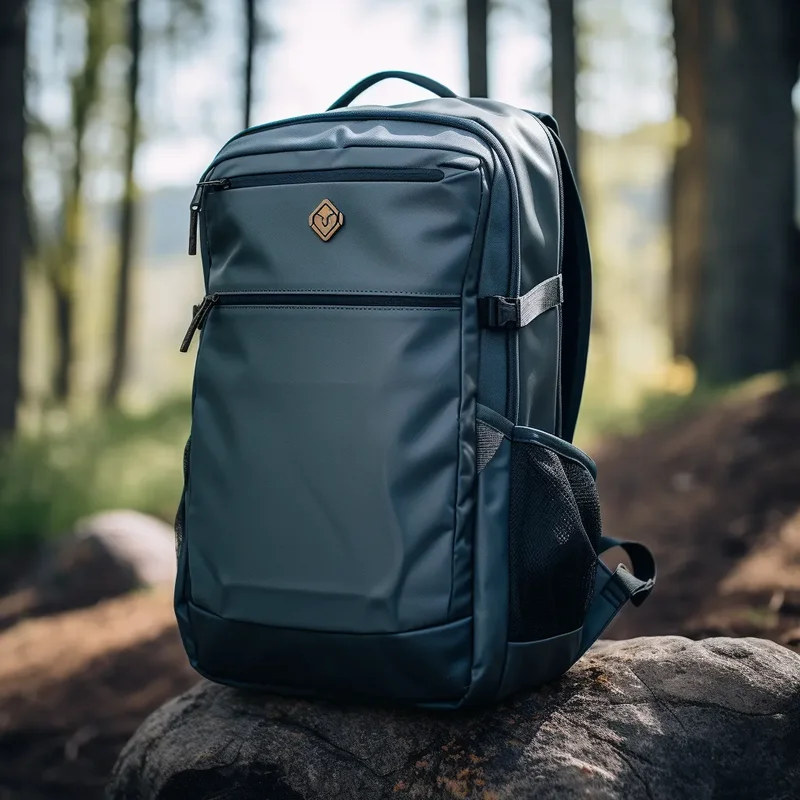
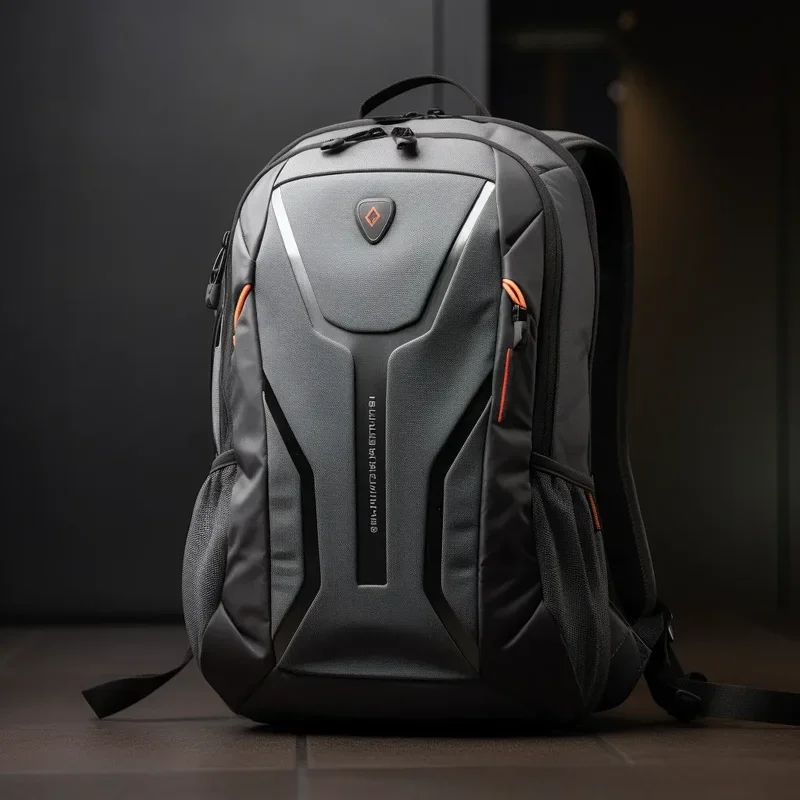
Your choice of bag directly impacts your security. Bags designed with anti-theft features make the most common theft techniques ineffective while maintaining the professional appearance appropriate for any travel context.
Anti-Theft Bag Features
Slash-proof straps and body: Reinforced stainless steel wire woven into straps and fabric prevents thieves from cutting through and grabbing your bag. This technique accounts for a significant proportion of bag thefts in crowded tourist areas.
Locking zippers: Zippers that lock together or attach to a fixed point prevent surreptitious opening while your bag is on your back or in an overhead compartment. Some bags integrate combination locks; others work with small padlocks you supply.
RFID-blocking pockets: Radio-frequency identification blocking material prevents electronic pickpocketing of contactless cards and passports. While the actual risk is lower than some manufacturers suggest, RFID-blocking pockets provide an additional layer at minimal cost in weight or convenience.
Hidden compartments: Pockets that sit against your body or are concealed behind false panels provide secure storage for your most valuable items. These invisible pockets hold your passport, backup cash, and emergency card without any visible indication to potential thieves.
Hotel Safety
Hotel rooms create a false sense of security. Staff, other guests, and cleaning crews all have access to your room. Protect your belongings with these practices that go beyond the basic room safe.
Room Security Protocol
On arrival, check that windows, balcony doors, and connecting room doors all lock securely. Request a room between the second and sixth floors; below the second floor, ground-level break-ins are easier; above the sixth floor, fire escape becomes more difficult. Never prop your door open, even briefly, and use the deadbolt and chain at all times when inside.
The hotel safe provides basic security for passports, excess cash, and documents you do not need daily. However, do not store irreplaceable items in hotel safes; staff may have master codes. For laptops and larger items, consider a portable cable lock that secures them to a fixed furniture piece in your room.
Additional Hotel Security Measures
Use the Do Not Disturb sign when leaving your room to make it appear occupied. Never disclose your room number in public areas. If someone knocks claiming to be staff, call the front desk to verify before opening the door. A portable door lock or door stop alarm provides an additional security layer that alerts you if someone attempts to enter your room while you are sleeping.
Transit Security
Airports, train stations, buses, and taxis present concentrated theft opportunities due to crowds, distraction, and the stress of navigating transit systems. Heightened awareness during these transitions protects your belongings.
Airport Security
Keep your bag physically connected to you at all times. Loop a strap around your leg or arm when seated. During security screening, watch your belongings go through the scanner; distraction thieves grab items from the opposite end of the x-ray belt before you reach it. Use TSA-approved locks that security can open without destroying them. Keep valuables in your personal item rather than checked luggage.
Train and Bus Security
On trains, keep your bag on your lap, between your feet with a strap looped around your leg, or in the overhead rack with a cable lock securing it to the rack. Never place your bag on an adjacent seat or behind you where you cannot see it. On buses, store bags in overhead racks in front of your seat where you can see them, or hold them on your lap for maximum security.
Digital Security
Modern travel security extends beyond physical belongings to encompass your digital life. Public Wi-Fi networks, charging stations, and border crossings all present digital security risks that can compromise your data and accounts.
Network Security
Public Wi-Fi in airports, cafes, and hotels is inherently insecure. Other users on the same network can intercept unencrypted data transmissions. Always use a VPN when connecting to any network you did not set up personally. Disable automatic Wi-Fi connections on your devices to prevent them from joining unsecured networks without your knowledge.
Charging Security
Public USB charging stations can potentially inject malware into your device through a technique called juice jacking. Carry a portable battery pack or a USB data blocker that allows charging while preventing data transfer between the device and the power source. This small adapter costs under ten pounds and eliminates the risk entirely.
Border Crossing Considerations
Some countries reserve the right to search electronic devices at borders. Before travelling to countries with known device-search policies, consider using a travel laptop with minimal personal data, encrypted file storage, and cloud-only access to sensitive information. Consult your organisation's IT security policy regarding device transport across borders.
Money Management
How you carry and access money during travel directly affects your vulnerability to theft. A smart money strategy ensures that losing any single item does not strand you without funds.
The Distribution Strategy
Never carry all your money and cards in one location. Distribute them across at least three separate points: a primary money belt or neck pouch worn under clothing holding your main cash reserve and backup cards; a daily wallet with spending money and one card; and an emergency stash hidden in your bag's lining, behind a phone case, or in a toiletry container. If any single item is stolen, you retain access to funds from the other locations.
| Location | What to Store | Access Frequency |
|---|---|---|
| Money belt / neck pouch | Backup cards, main cash, passport copy | Rarely, emergency only |
| Daily wallet | Day's spending money, one card, ID | Daily |
| Hotel safe | Excess cash, spare cards, documents | When at hotel |
| Hidden bag pocket | Emergency card, small cash reserve | If primary sources lost |
| Cloud / phone | Digital payment apps, card details backup | As needed |
Emergency Protocols
Despite thorough preparation, emergencies happen. Knowing exactly what to do when something goes wrong minimises damage and accelerates recovery. Pre-prepare these protocols before departure so you can act immediately rather than panicking.
If Your Bag is Stolen
Act immediately. Report the theft to local police within 24 hours and obtain a written report for insurance claims. Call your bank to freeze all cards. Use your backup card and emergency cash from your hidden locations. Contact your embassy if your passport was taken. File an insurance claim with your police report and document list. Use your digital document backups to expedite passport replacement.
If Your Phone is Lost or Stolen
Use Find My iPhone or Android Device Manager from another device to locate, lock, or wipe your phone remotely. Change all passwords that were stored on the device. Contact your mobile provider to suspend service. Replace your SIM card and restore data from cloud backup.
Country-Specific Risk Awareness
Different destinations present distinct security challenges. Research your specific destination before departure to understand common theft techniques, high-risk areas, and cultural norms around valuables display. In some European cities, bag slashing and pickpocketing target tourists on public transport and in crowded attractions. In parts of Southeast Asia, scooter snatch theft is common; keep bags away from the road edge when walking on pavements. In South American cities, displaying expensive electronics openly invites robbery.
Register with your embassy before departure and note the local emergency numbers for your destination country. Download offline maps and translate key phrases like "help," "police," and "hospital" into the local language. Understanding local customs around money and valuables prevents you from inadvertently attracting attention. When in doubt, dress down, keep valuables concealed, and maintain awareness of your surroundings in unfamiliar environments.
Insurance Considerations
Travel insurance is not optional for international trips. Ensure your policy covers: medical emergencies with adequate limits, trip cancellation and delay, baggage loss or theft with per-item limits that match your actual belongings, and emergency evacuation. Read the exclusions carefully; many policies exclude electronics above certain values, extreme activities, or pre-existing medical conditions.
For valuable electronics, consider adding a specific rider to your policy or checking whether your home contents insurance covers items abroad. Document your valuables with photographs and receipts before departure; insurance claims require proof of ownership and value.
Frequently Asked Questions
How do I protect my belongings while travelling?
Use anti-theft bags with slash-proof straps and locking zippers. Carry valuables under clothing. Use hotel safes. Never leave belongings unattended. Make digital copies of all documents stored in cloud.
Are anti-theft backpacks worth the investment?
Yes. They provide slash-resistant fabric, locking zippers, RFID-blocking pockets, and hidden compartments that deter common theft techniques without sacrificing appearance. Investment of GBP 60-150 protects far more valuable contents.
What is the best way to carry money while travelling?
Distribute across multiple locations: money belt for primary cash, daily wallet for spending, hidden reserve for emergencies. Carry only daily needs and use contactless payments when possible.
How do I keep my laptop safe during travel?
Keep it in a non-obvious backpack compartment, never check it in luggage, use hotel safes or cable locks in rooms, enable full-disk encryption, and install remote wipe capability.
What digital security should I use while travelling?
Use a VPN on public Wi-Fi, enable two-factor authentication, use a password manager, disable automatic Wi-Fi connections, and carry a USB data blocker for public charging stations.
How do I secure my hotel room?
Check all locks on arrival, use the room safe, bring a portable door lock, use Do Not Disturb signs when out, keep your room number private, and verify staff identity before opening the door.
What travel insurance do I need?
Essential coverage includes medical (minimum GBP 1 million), trip cancellation, baggage theft with adequate per-item limits, and emergency evacuation. Read exclusions and declare valuable electronics separately if needed.
Security-Focused Travel Bags
We manufacture travel backpacks with anti-theft features including slash-proof fabric, locking zippers, RFID-blocking pockets, hidden compartments, and cable lock attachment points. Custom branding and OEM available for security-conscious brands.
Email: service@junyuanbags.com
WhatsApp: +86 17750020688