The Perfect Work Commute Setup: Gear and Strategy
The daily commute shapes your entire workday. Arrive stressed, sweaty, and disorganised, and you start from a deficit that persists through morning meetings. Arrive composed, prepared, and efficient, and you carry that momentum into every task. The difference between these two outcomes is not personality or luck; it is the result of deliberate gear choices and packing strategies that turn your commute from a daily struggle into a seamless transition.
This guide addresses the complete commute setup: the bag that carries your world, the organisation system that keeps everything accessible, the weather protection that keeps you comfortable regardless of conditions, the safety equipment that protects you on the road, and the strategies that save time and reduce friction every single day. Whether you cycle, take the train, drive, or walk, there are specific optimisations that make your commute better.
The Golden Rule of Commuting: Your bag should weigh no more than 10 percent of your body weight when fully packed. Exceeding this threshold increases fatigue, causes shoulder and back strain, and makes your commute progressively more unpleasant. Every item should justify its weight through daily utility.
Backpack Selection for Commuting
Your commute backpack is the single most impactful gear decision you make. It carries your laptop, protects your belongings, distributes weight across your body, and projects a professional image when you walk into the office. Choosing poorly means daily discomfort, disorganised searches for items, and a bag that looks out of place in meeting rooms.
Key Features to Look For
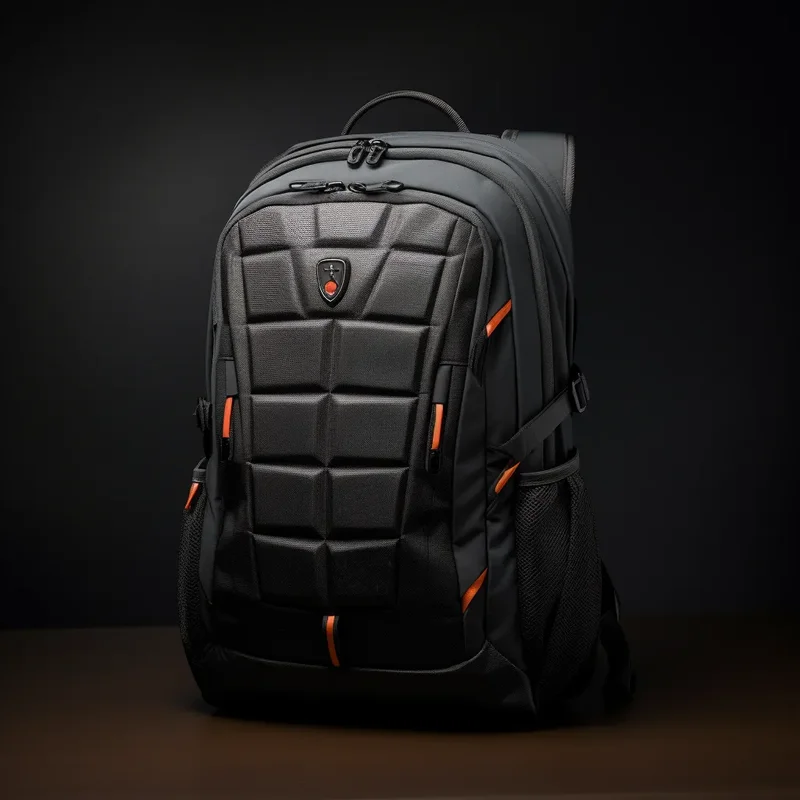
Dedicated laptop compartment: A padded sleeve that suspends your laptop above the bag's base, protecting it from impacts when you set the bag down. The sleeve should fit your laptop snugly without excess movement.
Water-resistant fabric: Commuting exposes your bag to rain, splashes, and humidity. Water-resistant nylon or polyester with sealed zippers keeps your electronics and documents dry. For heavy rain climates, look for bags that include an integrated rain cover.
Organisational pockets: Multiple compartments prevent the black-hole effect where everything sinks to the bottom. Look for a front admin panel with pen holders, card slots, and key clips. Side pockets for water bottles. Internal mesh pockets for cables and accessories. A top quick-access pocket for phone and transit pass.
Comfort features: Padded, adjustable shoulder straps with breathable mesh. A padded back panel with airflow channels. A sternum strap for heavy loads. Some commuter backpacks include a hip belt for larger capacities that distribute weight more effectively.
Professional appearance: Clean lines, minimal external branding, and neutral colours (black, navy, charcoal, dark grey) ensure your bag looks appropriate in any professional environment. Avoid hiking-style packs with excessive external straps, bright colours, or loud patterns.
Tech Organisation
Modern commutes involve carrying multiple tech devices and their accessories. Without a system, charging cables tangle, adapters disappear, and finding the right cable becomes a daily frustration. Effective tech organisation starts with categorising your devices and assigning each a dedicated storage location in your bag.
The Tech Pouch System
Invest in a small organiser pouch with elastic loops and mesh compartments. Group related items: your laptop charger and phone charger in one pouch, audio equipment (earbuds, microphone) in another. This modular approach means you can grab the pouch you need without emptying your entire bag. When travelling between locations, the pouch keeps everything together and prevents items from scattering.
Cable Management
Use velcro cable ties to coil each cable to the appropriate length. This prevents tangles and makes cables easy to identify at a glance. Label cables at both ends with small tags or coloured markers. Keeping a spare charging cable at your office eliminates the need to carry one daily; you always have a charged device regardless of whether you remembered to bring the cable.
Weather Protection
British weather is notoriously unpredictable. Your commute setup should handle rain, wind, cold, and occasional heat without requiring you to carry a full wardrobe. The strategy is lightweight, packable layers that you carry most days but use only when needed.
Rain Protection
A packable rain jacket weighing under 200 grams folds into its own pocket and fits in any backpack side pocket. Choose one with sealed seams, adjustable hood, and pit ventilation. When rain threatens, it deploys in seconds and provides full upper body protection. Pair with water-resistant shoe covers or carry a spare pair of socks in a waterproof bag for foot protection.
Your backpack also needs rain protection. A dedicated rain cover that stretches over your bag keeps your contents dry during downpours. Some bags include integrated rain covers in a bottom pocket; otherwise, purchase one sized to your bag's dimensions. Alternatively, use a waterproof pack liner bag inside your backpack for content protection regardless of external conditions.
Temperature Management
In cold weather, insulated gloves that fit in your pocket and a thin merino wool buff around your neck provide warmth without bulk. In hot weather, a small foldable sun hat and a portable fan (USB-powered from your battery pack) make summer commutes more tolerable. The key is choosing items that solve weather problems without permanently occupying significant bag space.
Safety Gear for Active Commuters
Whether you cycle or walk, visibility and awareness reduce your risk of accidents significantly. The investment in safety gear is small compared to the value of arriving home safely every day.
Cycling Safety
Front and rear lights are legally required for cycling after dark and strongly recommended at all times. A minimum 400-lumen front light and 80-lumen rear light with multiple flash patterns make you visible to drivers in all conditions. A properly fitted helmet reduces head injury risk by up to 70 percent. High-visibility vest or jacket with reflective elements ensures drivers see you in low-light conditions.
Carry a basic puncture repair kit, portable pump, and a lightweight D-lock or chain for securing your bike at work. A cycling-specific backpack with a built-in rain cover, reflective details, and a helmet carry net provides integrated functionality designed for the unique needs of bicycle commuters.
Walking Safety
Reflective elements on your bag, jacket, or shoes increase your visibility to drivers during early morning and evening commutes. Avoid wearing headphones on both ears in busy traffic areas; single-ear or bone-conduction headphones let you hear approaching vehicles while listening to audio content. Carry your phone in an accessible pocket for emergencies, and share your live location with a trusted contact during late walks home.
Transit-Specific Tips
Each mode of transport benefits from specific optimisations that reduce friction and improve your experience.
| Transport | Key Considerations | Recommended Gear |
|---|---|---|
| Cycling | Sweat management, bike security, weather exposure | Ventilated backpack, helmet, lights, D-lock, spare clothes |
| Train/Tube | Space constraints, pickpockets, transfers | Compact bag, front-carry option, RFID protection, noise-cancelling headphones |
| Driving | Parking, laptop security, temperature | Laptop case for office, sunshade, parking app, trunk organiser |
| Walking | Weight, weather, route safety | Lightweight pack, comfortable shoes, weather layers, reflective elements |
| Bus | Timing, seating, transfers | Compact bag, bus pass accessible, headphones, reading material |
Train and Tube Commuting
On public transport, space is premium. Choose a bag that fits under the seat or on your lap without encroaching on fellow passengers. Carry your bag on your front in crowded carriages to deter pickpockets and protect your belongings. Use noise-cancelling headphones to create a productive environment regardless of passenger noise levels. Keep your transit card or contactless payment device in an easily accessible pocket to speed up barrier passage.
Hydration Solution
Staying hydrated during your commute sets the tone for your entire workday. A quality water bottle carried in your backpack ensures you have water available regardless of delays or missed stops. Choose an insulated stainless steel bottle that maintains temperature, a leak-proof lid, and a capacity of 500-750ml that provides adequate hydration without excessive weight.
Alternatively, a hydration bladder inside your backpack with a drinking tube provides hands-free access to water. This works particularly well for cycling commuters who cannot easily reach a water bottle. Refill at your office drinking fountain and carry the empty bladder for the return journey.
Proper hydration affects not just your physical comfort but your cognitive performance throughout the workday. Research shows that even mild dehydration of just two percent impairs concentration, memory, and mood. Starting your workday properly hydrated from your morning commute sets the foundation for sustained focus and productivity through the afternoon.
Time Optimisation Strategies
Beyond gear, strategic habits transform your commute efficiency:
Prepare the night before: Pack your bag using a consistent routine every evening. Your bag should be by the door, ready to grab in the morning. This eliminates the frantic search for keys, wallet, or laptop charger that delays departures.
Duplicate essentials: Keep a charger, toothbrush, deodorant, and basic toiletries at your office. This reduces daily carry weight and ensures you always have these items available regardless of packing oversights.
Plan your route: Check transit apps for disruptions before leaving home. Have an alternative route ready for common delays. Leave five minutes earlier than you think necessary; this buffer absorbs minor delays without stress.
Use commute time productively: Audiobooks and podcasts turn passive transit time into learning or entertainment. Note-taking on your phone during train journeys captures ideas that would otherwise be lost. Even walking commutes provide opportunities for phone calls or voice memos.
Building Your Ideal Commute System
The perfect commute setup is not achieved overnight. It develops through deliberate experimentation over several weeks. Start by identifying your primary pain points: Is it back pain from a poorly fitting bag? Getting caught in rain without protection? Arriving with a dead phone? Tangled cables that waste five minutes every morning? Address each pain point systematically with the appropriate gear solution.
Track your commute for one week, noting what worked and what did not. Did you wish you had brought an umbrella? Was your laptop difficult to access at security? Did you arrive with a sweaty back? Each observation guides your next gear purchase or packing adjustment. Within a month of deliberate optimisation, your commute transforms from a daily endurance test into a smooth, predictable routine that sets you up for a productive workday.
Consider the total cost of a poorly executed commute. Missed trains due to disorganisation cost time. Wet clothes arriving at the office cost comfort and confidence. Dead devices during critical moments cost professional credibility. The investment in proper commute gear pays returns in productivity, punctuality, and peace of mind that far outweigh the upfront cost.
Frequently Asked Questions
What is the best bag for commuting to work?
A professional backpack with padded laptop compartment, water-resistant fabric, ventilated back panel, and organisational pockets. Choose 20-30 litre capacity in neutral colours that look professional.
How do I protect my laptop during commuting?
Use a backpack with a suspended padded laptop sleeve and add a neoprene sleeve for extra protection. Position the laptop against your back for security and optimal weight distribution.
What weather gear should I carry?
Packable rain jacket, compact umbrella, water-resistant shoe covers, spare socks in a waterproof bag, and a rain cover for your backpack. In winter, add insulated gloves and hand warmers.
How do I organise tech in my commute bag?
Use a dedicated tech pouch for cables and chargers. Assign each device a dedicated pocket. Keep headphones accessible. Velcro-tie cables and label both ends for easy identification.
What safety gear should cyclists carry?
Front and rear lights, properly fitted helmet, high-visibility clothing, bell, puncture repair kit, and a quality D-lock. A cycling-specific backpack adds reflective details and helmet carry.
How do I minimise sweat when cycling to work?
Use a ventilated backpack, pack a spare shirt, cycle at moderate pace with cool-down time, or use panniers to eliminate back sweat entirely. Keep wet wipes and deodorant at your desk.
How do I save time during my daily commute?
Pack your bag the night before, duplicate essentials between home and office, check transit apps before leaving, leave five minutes early, and use commute time for audiobooks or calls.
Commuter Backpacks Built for Daily Life
We design backpacks specifically for the professional commuter. Laptop protection, weather resistance, ventilated back panels, and clean aesthetics that transition from cycle path to boardroom. OEM and custom branding available.
Email: service@junyuanbags.com
WhatsApp: +86 17750020688