Urban Survival Kit: City EDC for the Prepared Professional
Most survival guides focus on wilderness scenarios that the average city dweller will never encounter. Yet urban environments present their own set of challenges: power outages during winter storms, phone batteries dying during critical moments, minor injuries far from medical facilities, sudden weather changes, and the occasional encounter with someone who means harm. The prepared professional anticipates these situations and carries a compact kit that handles them with confidence rather than panic.
Building an urban survival kit is not about preparing for societal collapse or stockpiling supplies in a bunker. It is about carrying a thoughtful collection of everyday tools that solve real problems you actually face in city life. The difference between a practical urban EDC and an excessive doomsday kit is selectivity. Every item should earn its place by addressing a genuine scenario you are likely to encounter during a normal week in the city.
The Dual-Purpose Principle: The best urban EDC items serve you daily while providing emergency capability when needed. A quality multi-tool opens packages at the office and handles unexpected repairs. A portable battery keeps your phone alive during long work days and prevents communication failure during emergencies. This philosophy ensures your kit is practical, not paranoid.
Category 1: Everyday Tools
The foundation of any urban survival kit consists of tools that solve daily problems while handling unexpected situations. These items work in boardrooms and back alleys alike.
The Multi-Tool
A quality multi-tool is the single most versatile item in your EDC. Look for one with at least a knife blade, pliers, screwdriver (flat and Phillips), bottle opener, and scissors. Leatherman, Victorinox, and Gerber produce reliable options in various price ranges. In the UK, carrying a folding knife with a blade under 7.62cm is legal without specific reason. Always verify current legislation before selecting your tool.
The multi-tool opens packages, tightens loose screws on glasses, cuts tags from new clothing, handles minor repairs, and provides countless other daily uses. In emergency situations, it becomes a lifeline for cutting seatbelts, opening jammed containers, or improvising solutions when professional help is unavailable.
Quality Pen and Small Notebook
Never underestimate the value of a reliable pen and compact notebook in an urban environment. When technology fails, a pen captures information, leaves notes, or records details about incidents. A small Rite in the Rain notebook provides waterproof paper that records information in any weather condition. These items also serve professional needs: signing documents, noting phone numbers, or sketching directions when GPS fails.
Compact LED Flashlight
Urban power outages, dark stairwells, poorly lit parking garages, and under-desk searches all benefit from a dedicated light source. A compact LED flashlight providing at least 200 lumens fits in your pocket or bag and runs for hours on a single charge. Rechargeable models eliminate battery replacement hassle. Look for models with multiple brightness settings and a pocket clip for convenient carry.
Category 2: Tech Preparedness
In modern urban life, your phone is your wallet, your map, your communication system, and your access to emergency services. Keeping it operational is not optional; it is essential.
Portable Battery Pack
A 10,000mAh portable battery provides two to three full phone charges and weighs under 250 grams. Choose one with multiple output ports to charge your phone and earbuds simultaneously. Fast-charge capability ensures you get meaningful power in the shortest time. Slim models from brands like Anker, Belkin, or Nitecore fit easily in a laptop bag or jacket pocket without noticeable bulk.
Charging Cable Set
Carry at least one charging cable for each of your essential devices. A braided cable with multiple connector tips (USB-C, Lightning, micro-USB) in a compact pouch provides universal compatibility in a single item. Cable length matters: a 1-metre cable is ideal for pocket carry while a 2-metre cable works better when charging at a desk or hotel room.
Emergency Communication Backup
Consider carrying a prepaid SIM card from a different mobile network than your primary provider. Network outages are typically limited to specific carriers; a secondary SIM on a different network provides communication when your primary network fails. Alternatively, a portable Wi-Fi hotspot with a data plan provides internet access from multiple networks and keeps your laptop connected when office networks go down.
Category 3: First Aid Mini-Kit
Urban injuries are rarely life-threatening but can cause significant discomfort and disruption when unaddressed. A compact first aid pouch handles the most common scenarios: cuts, blisters, headaches, and minor burns.
Essential Contents
Your urban first aid kit should include: adhesive bandages in three sizes, antiseptic wipes, pain relief tablets (paracetamol and ibuprofen), blister treatment pads, a small roll of medical tape, tweezers, and an emergency blanket. Add any personal medications you may need. Everything should fit in a pouch roughly the size of a smartphone case.
Consider adding a tourniquet or haemostatic dressing if you have received training in their use. For the untrained, focusing on pressure bandages and wound care provides effective capability without the risk of improper tourniquet application. A basic first aid course from St John Ambulance or the British Red Cross takes one day and dramatically improves your ability to handle emergencies.
Category 4: Weather Preparedness
British weather is famously unpredictable. Your EDC should include lightweight solutions that keep you comfortable and functional when conditions change unexpectedly.
Rain Protection
A compact umbrella that folds to under 25cm or a packable rain jacket weighing under 200 grams provides rain protection without permanently occupying bag space. The rain jacket offers more comprehensive protection and doubles as a wind layer. Choose a jacket with sealed seams and pit ventilation that packs into its own pocket.
Temperature Regulation
Chemical hand warmers weigh almost nothing and provide hours of warmth when trapped outside in cold weather. Pack two or three in your bag during winter months. In summer, a small misting spray bottle provides instant cooling relief during heat waves. These items cost pennies but can make the difference between enduring and suffering during unexpected weather exposure.
Category 5: Security and Self-Defence Considerations
Urban security requires a different mindset than wilderness survival. Most urban threats are property crimes, and your best defence is awareness, avoidance, and de-escalation. Physical self-defence tools should complement, not replace, smart behaviour.
Legal Self-Defence Options
In the UK, carrying items specifically intended as weapons is illegal. Pepper spray, stun guns, and knives carried for self-defence violate the law. However, several legal options provide defensive capability: a high-lumen tactical flashlight can temporarily disorient an attacker, a personal safety alarm creates noise that draws attention and deters aggressors, and a sturdy umbrella provides improvised physical defence while remaining a completely legal everyday item.
Awareness Over Hardware
The most effective self-defence tool is situational awareness. Walk with your head up, avoid staring at your phone in isolated areas, note exits when entering buildings, and trust your instincts when situations feel wrong. A personal safety app that shares your live location with trusted contacts and triggers emergency calls with a button press provides a digital safety layer that costs nothing to carry.
Simple behavioural practices dramatically reduce your risk of becoming a target. Avoid predictable walking patterns when you suspect you are being followed. Cross the street or enter a shop to confirm suspicion. Keep earbud volume low enough to hear approaching footsteps or vehicles. Walk with purpose and confidence; thieves target people who look distracted or vulnerable. These habits cost nothing, require no equipment, and provide the most reliable protection available in any urban environment.
Category 6: Emergency Cash and Documents
Digital payment systems fail. Card readers malfunction. Phones die. In these moments, physical cash and identification become essential.
Keep a small reserve of emergency cash (GBP 20-50) in a separate location from your wallet. A slim RFID-blocking card holder protects a backup credit card and emergency cash from electronic theft while remaining thin enough to carry in a front pocket or inside your phone case. Include a printed card with emergency contact numbers, blood type, and any medical allergies.
The Practical vs. Paranoid Balance
The line between prepared and paranoid lies in proportionality. Your urban EDC should handle realistic scenarios, not every hypothetical disaster. Carry a first aid kit, not a trauma surgical set. Bring a portable battery, not a solar generator. Pack emergency cash, not a gold coin collection. Each item should address a situation that has a reasonable probability of occurring during your normal urban life.
| Category | Practical EDC | Excessive/Paranoid |
|---|---|---|
| Tools | Quality multi-tool | Full toolbox |
| Power | 10,000mAh battery pack | Multiple large capacity batteries |
| First Aid | Compact pouch with basics | Full trauma kit |
| Light | Pocket flashlight | Multiple tactical lights |
| Self-Defence | Awareness and alarm | Weapons (often illegal) |
| Communication | Backup SIM or hotspot | Satellite phone |
| Food/Water | Energy bar and water bottle | Week of rations |
Building Your Urban Kit
Start with the essentials: multi-tool, portable battery, compact first aid kit, flashlight, and emergency cash. Use these items for a month and note what you actually use and what you never touch. Then adjust: add items that address gaps you have identified and remove anything that sits unused. Your urban EDC should evolve with your experience, becoming a refined system that reflects your actual daily environment and challenges rather than theoretical scenarios.
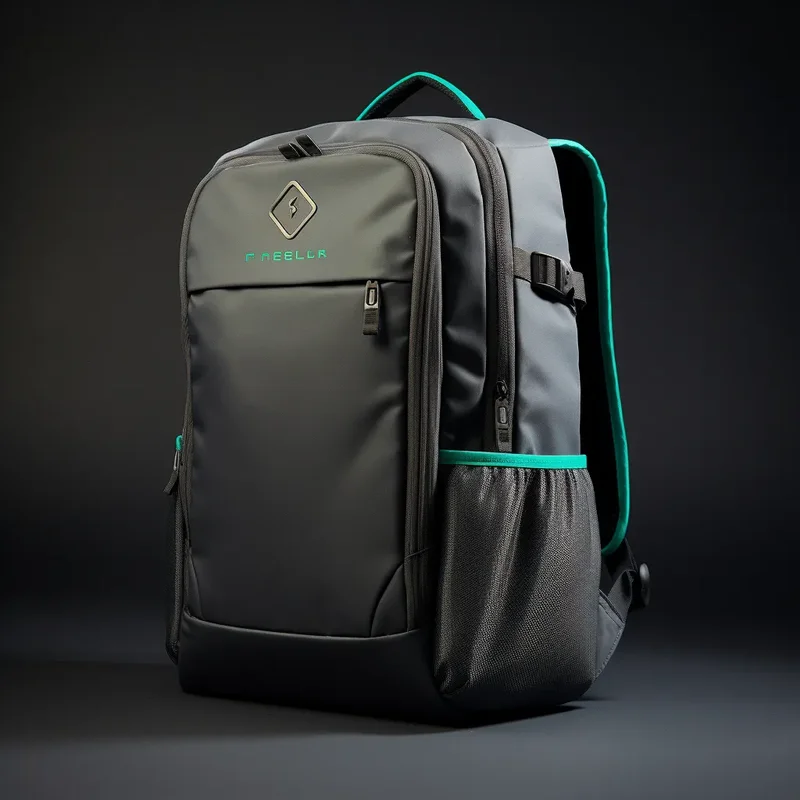
The bag that carries your EDC matters too. Choose a professional backpack or messenger bag with organisational compartments that keep everything accessible without visible bulk. A bag that looks like normal work gear attracts no attention while containing your preparedness system. Internal organiser panels with elastic loops keep small items from sinking to the bottom, while quick-access pockets let you reach your phone or transit pass without opening the main compartment.
Maintaining and Updating Your Kit
An urban survival kit is a living system that requires periodic maintenance. Check your portable battery charge level monthly and recharge it before it drops below 50 percent. Rotate emergency cash annually to ensure bills remain in good condition and you have not spent it inadvertently. Replace first aid supplies as you use them or when items pass their expiry dates. Sharpen or replace multi-tool blades when they become dull. Test your flashlight batteries seasonally.
Update your kit as your environment and needs change. A new work location might require different transit safety considerations. Seasonal changes might necessitate adding hand warmers in winter or a misting spray in summer. As technology evolves, update your charging cables and adapters to match your current devices. The goal is a kit that is always ready, always current, and always relevant to your actual daily life.
Frequently Asked Questions
What is an urban survival kit?
A curated collection of everyday carry items designed to handle common city emergencies: power outages, device charging failures, minor injuries, unexpected weather changes, and security concerns, all sized to fit in a work bag.
What should be in a city EDC kit?
A multi-tool, portable battery, compact first aid kit, emergency cash, LED flashlight, weather gear, water bottle, phone cables, personal safety alarm, emergency contact card, and a small notebook with pen.
Is it legal to carry a multi-tool in the UK?
Yes, folding pocket knives with blades under 7.62cm are legal without specific reason. Multi-tools with longer blades require lawful purpose. Always check current legislation before selecting your carry.
How do I stay prepared without looking paranoid?
Choose items that serve dual purposes in daily life. A multi-tool opens packages and handles repairs. A battery pack charges devices daily. Select items that blend into professional carry without appearing excessive.
What tech preparedness items should I carry?
Portable battery (10,000mAh minimum), spare charging cables, universal adapter, LED flashlight, and backup communication option like a different-network SIM card or portable hotspot.
How much does an urban survival kit cost?
A quality kit costs GBP 80-200. The multi-tool and battery pack are the largest investments. First aid, flashlight, and accessories fill the remaining budget at relatively low cost.
EDC-Ready Backpacks for Urban Professionals
We design backpacks with dedicated organisational compartments, padded laptop sleeves, quick-access pockets, and professional aesthetics that carry your EDC system without drawing attention. Custom branding available.
Email: service@junyuanbags.com
WhatsApp: +86 17750020688