Hiking Gear for Beginners: Complete Equipment List
Stepping onto a trail for the first time with the right gear transforms a potentially uncomfortable experience into an addictive adventure. The wrong gear, conversely, turns a beautiful mountain walk into a catalogue of blisters, sore shoulders, and cold fingers. For beginners, the sheer volume of hiking gear recommendations online creates confusion. Do you really need that GPS device? What about trekking poles? Is expensive clothing worth the investment for your first few hikes?
This guide cuts through the noise. Every item listed here serves a clear, practical purpose for a beginner hiker. We categorise gear by priority, provide budget and premium options, and explain exactly why each item matters. By the time you finish reading, you will know precisely what to buy, what to skip, and how to prepare for your first hike with confidence.
The Ten Essentials Philosophy: This guide follows the classic ten essentials system, updated for modern hikers. Every item on this list falls into one of these categories: navigation, sun protection, insulation, illumination, first aid, fire, tools, nutrition, hydration, and shelter. Master this framework and you will never need to guess whether you have packed enough.
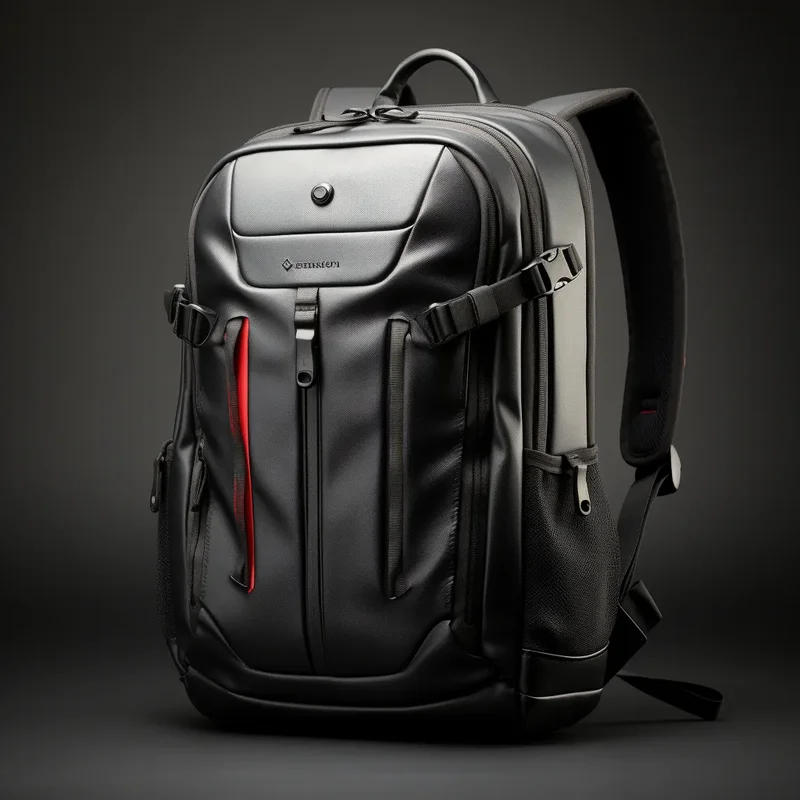
1. The Backpack Essential
Your backpack carries everything else, making it the foundational piece of hiking gear. For day hiking, a 20-30 litre pack provides the ideal balance of capacity and weight. Look for these features: padded hip belt, breathable back panel, hydration sleeve, and at least two external pockets for quick-access items like water bottles and snacks.
Budget option (GBP 40-60): Basic daypacks from Decathlon offer excellent value with reasonable comfort features and durable construction. They lack advanced suspension systems but work perfectly for shorter, easier hikes.
Premium option (GBP 100-150): Brands like Osprey, Deuter, and Gregory offer sophisticated suspension systems that transfer weight to your hips more effectively, ventilated back panels that prevent sweat buildup, and lifetime warranties that protect your investment.
2. Footwear Essential
Nothing ruins a hike faster than foot pain. Your footwear choice depends on trail difficulty, weather conditions, and personal preference. The three main options are trail runners, mid-cut hiking shoes, and traditional hiking boots.
Trail runners are lightweight, breathable, and require minimal break-in time. They work best on well-maintained trails in dry conditions. Many experienced hikers prefer them for their comfort and reduced fatigue.
Mid-cut hiking shoes offer a middle ground with moderate ankle support and more protection than trail runners. They suit most beginner hikes and handle moderate terrain well.
Hiking boots provide maximum ankle support and waterproof protection. They excel in wet, rocky, or uneven terrain but add weight and require a proper break-in period of at least two to three weeks before your hike.
Regardless of which style you choose, always wear the socks you plan to hike in when trying on footwear. Merino wool hiking socks prevent blisters far better than cotton and regulate temperature across varying conditions.
3. Clothing Layers Essential
The layering system is the most effective approach to temperature regulation on the trail. Three layers work together: a base layer that manages moisture, a mid layer that provides insulation, and an outer shell that protects against wind and rain.
Base Layer
Your base layer sits against your skin and manages moisture. Merino wool or synthetic materials pull sweat away from your body, keeping you dry and comfortable. Never wear cotton as a base layer; it retains moisture and causes rapid heat loss when wet. A lightweight merino wool base layer works across three seasons and resists odour naturally.
Mid Layer
A fleece jacket or lightweight synthetic insulated jacket provides warmth when temperatures drop. Fleece breathes well during active movement, while synthetic insulation retains warmth even when damp. Pack your mid layer even on warm days; mountain temperatures can drop 6 degrees Celsius for every 1,000 metres of elevation gain.
Outer Shell
A waterproof and windproof jacket protects against rain and wind chill. Look for sealed seams, adjustable hood, and pit zips for ventilation. A packable shell that compresses into its own pocket adds minimal weight while providing essential protection when weather turns unexpectedly.
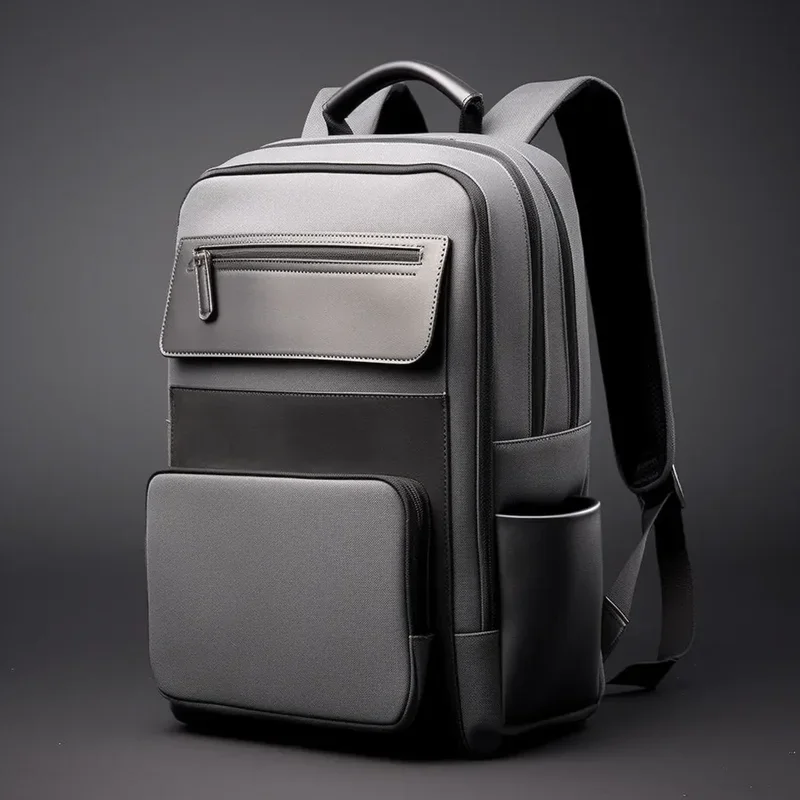
4. Navigation Tools Essential
Getting lost on a trail is more common than most beginners realise. Fog, fading daylight, and unclear trail markers can disorient even experienced hikers. Carry at least two navigation methods: a physical map in a waterproof case and a compass, plus your smartphone with offline maps downloaded.
Popular navigation apps include Ordnance Survey for UK trails and AllTrails for international routes. Download maps before leaving home, as signal coverage is unreliable in wilderness areas. A basic compass and the knowledge to use it provides a failsafe when technology fails. Learn to take a bearing and follow it; this simple skill takes thirty minutes to master and could save your life.
5. Hydration System Essential
Dehydration degrades physical performance, impairs decision-making, and causes headaches that ruin the hiking experience. Plan to carry a minimum of one litre of water for every two hours of hiking in moderate conditions. In hot weather, increase this to one litre per hour.
A hydration bladder (two to three litres) stored in your backpack with a drinking tube provides convenient hands-free hydration that encourages regular sipping. Pair this with a backup water bottle in a side pocket for quick access at rest stops. For longer hikes or areas with reliable water sources, a lightweight water filter or purification tablets extend your supply indefinitely.
6. Nutrition Essential
Trail nutrition should be calorie-dense, easy to eat while moving, and resistant to temperature extremes. The general guideline is 200 to 300 calories per hour of moderate hiking. Pack more than you think you need; unexpected delays happen.
Effective trail foods include trail mix, energy bars, dried fruit, nut butter packets, jerky, and sandwiches for the first few hours. Pack a mix of quick-energy simple carbohydrates and sustained-energy complex carbohydrates. Electrolyte tablets dissolved in your water help replace minerals lost through sweat, particularly on hot days or strenuous climbs.
7. Safety and First Aid Essential
A basic first aid kit weighs under 200 grams and addresses the most common trail injuries: blisters, cuts, sprains, and insect bites. Your kit should include adhesive bandages in multiple sizes, antiseptic wipes, blister treatment pads, elastic bandage, pain relief tablets, tweezers, and any personal medications.
Beyond first aid, carry emergency essentials: a whistle for signalling (three blasts is the universal distress signal), a headlamp with spare batteries, an emergency blanket that retains body heat, and a fully charged phone in a waterproof case. Inform someone at home about your planned route and expected return time.
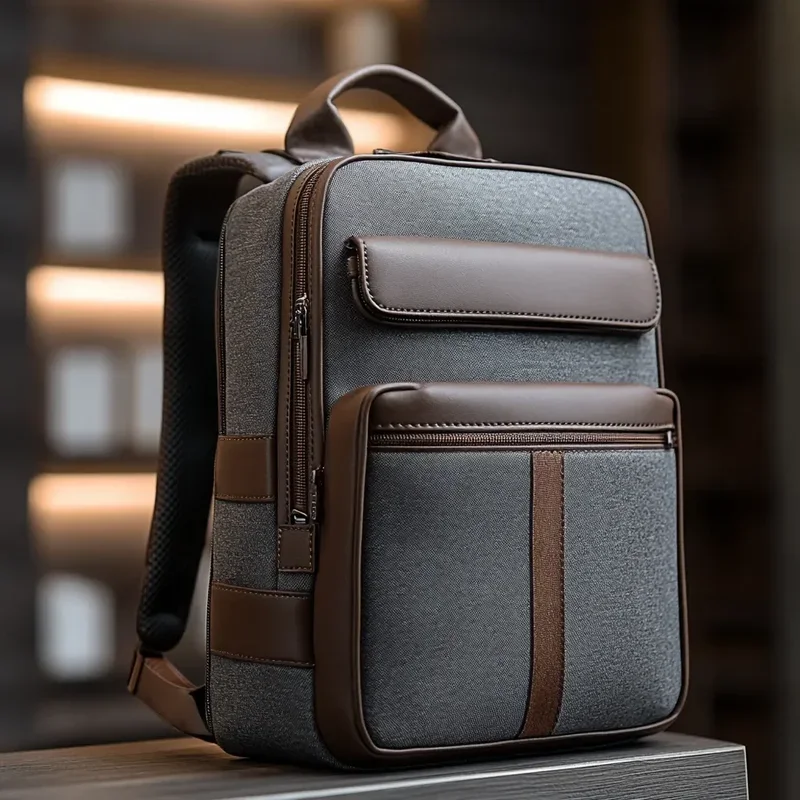
8. Sun Protection Recommended
UV exposure increases approximately ten percent for every 1,000 metres of elevation gain. Sun protection on the trail prevents painful burns, long-term skin damage, and heat-related illness. Apply SPF 30 or higher sunscreen before starting and reapply every two hours. Wear a hat with a brim that shades your face, neck, and ears. Sunglasses with UV protection prevent eye damage from glare, particularly above the treeline or near water.
9. Trekking Poles Optional
Trekking poles reduce impact on your knees by up to 25 percent during descents and provide stability on uneven terrain. They are particularly valuable for beginners who have not yet developed trail-specific leg strength. Collapsible poles pack compactly when not needed. While not essential for easy trails, they become increasingly valuable as you progress to longer or steeper routes.
Backpack Fitting Guide
Properly fitting your backpack is critical for comfort and injury prevention. Follow this sequence:
| Step | Action | Check |
|---|---|---|
| 1 | Load pack with 10-15kg weight | Simulates real hiking conditions |
| 2 | Loosen all straps completely | Start from a neutral position |
| 3 | Put on pack and centre hip belt on hip bones | Belt should wrap around iliac crest |
| 4 | Tighten hip belt firmly | 80% of weight on hips, not shoulders |
| 5 | Tighten shoulder straps snugly | Straps should wrap closely without gaps |
| 6 | Adjust load lifter straps to 45-degree angle | Connects shoulder straps to pack frame |
| 7 | Secure sternum strap across chest | Comfortable position, not restricting breathing |
Seasonal Adjustments
Hiking gear requirements change significantly across seasons. In summer, prioritise sun protection, extra water capacity, and lightweight breathable clothing. In autumn, add a warmer mid layer and pack rain gear religiously; weather changes rapidly. In winter, every item on your list demands higher performance: insulated boots, thermal layers, waterproof everything, traction devices for ice, and hand warmers. Spring brings the most variable conditions and demands the most versatile layering system.
What to Skip as a Beginner
Not every piece of hiking gear is worth buying on your first trip. Save these items until you have experience to evaluate whether they match your needs: ultralight equipment (premium price for minimal weight savings), GPS devices (your phone with offline maps suffices), expensive water filtration systems (carry enough water instead), gaiters (useful for specific conditions you may never encounter), and multiple specialised packs (one versatile daypack handles most beginner hikes). Experience reveals your actual needs far more accurately than any gear list ever could.
Packing Your Hiking Backpack
How you pack your backpack affects comfort and accessibility throughout the hike. Place heavier items close to your back and at mid-torso height to maintain a low centre of gravity. Store items you need frequently in external pockets or the top lid: sunscreen, snacks, water, map, and rain jacket. Sleeping gear goes at the bottom. Clothing fills the gaps around heavier items. The goal is a balanced load that feels stable during movement and allows access to essentials without removing everything.
Use dry bags or plastic liners inside your backpack to keep contents dry during rain. A simple rubbish bag inside your pack provides a waterproof barrier at virtually no cost or weight. Keep your sleeping bag and spare clothing in individual dry bags for guaranteed protection regardless of external conditions.
Your First Hike Checklist
Before heading to the trailhead, verify you have every essential: backpack properly fitted, filled water bottles or hydration bladder, nutrition packed in accessible pockets, first aid kit, sun protection, navigation tools, layers appropriate for the forecast, charged phone, emergency whistle, and someone at home who knows your route and expected return. With this checklist complete, you are ready for a safe and enjoyable first hiking experience.
Choose a trail appropriate to your fitness level for your first hike. Well-marked paths under 10 kilometres with moderate elevation gain provide a positive introduction to hiking without overwhelming you. Check recent trail conditions online or with local hiking groups before departing. Weather can change rapidly in mountainous terrain, so always carry your rain layer regardless of the morning forecast.
Frequently Asked Questions
What is the most important hiking gear for beginners?
Proper footwear. Well-fitting trail runners or hiking boots prevent blisters, provide support, and make the difference between enjoying and dreading the experience. Invest in quality footwear above everything else.
How much should a beginner spend on hiking gear?
Approximately GBP 300-500 for a complete day hiking setup. Prioritise footwear, a quality daypack, and layered clothing. Navigation, hydration, and safety items are relatively inexpensive additions.
What size backpack do I need for day hiking?
A 20-30 litre daypack handles most day hikes. For overnight trips, upgrade to 40-65 litres. Beginners should start with day hikes in smaller packs to build experience before committing to larger, heavier loads.
Do beginners need hiking boots?
Not necessarily. Trail runners work well on easy trails and are lighter. Hiking boots become important for rocky, steep, or wet terrain where ankle support and waterproofing provide meaningful benefits.
What should I never forget when hiking?
The ten essentials: navigation, sun protection, insulation, illumination, first aid, fire starter, tools, extra food, extra water, and emergency shelter. These items can save your life in unexpected situations.
How do I fit a hiking backpack correctly?
Load with weight, tighten hip belt first on your hip bones (80% of weight on hips), then shoulder straps, load lifters at 45 degrees, and sternum strap across your chest comfortably.
What gear can beginners skip?
GPS devices, trekking poles for easy trails, expensive water filters, ultralight equipment, and specialised packs. Focus on essentials first and add gear as experience reveals your actual needs.
Quality Hiking Backpacks, Built to Last
We manufacture durable hiking backpacks with ergonomic suspension systems, ventilated back panels, and weather-resistant materials. Custom branding and OEM available for outdoor brands worldwide.
Email: service@junyuanbags.com
WhatsApp: +86 17750020688