Gym Bag Essentials for Men: 15 Items You Need
Walking into the gym unprepared is a frustration every man has experienced. You arrive ready to crush your workout, only to realise you forgot your towel, your shoes smell dreadful, or your headphones are dead. These small oversights compound into major annoyances that undermine your training session and your confidence. A properly packed gym bag eliminates these problems entirely and transforms how you approach fitness.
The right gym bag setup goes beyond simply throwing clothes into a sack. It requires strategic thinking about what you need before, during, and after your workout. Every item should serve a clear purpose, fit efficiently in your bag, and contribute to a seamless training experience. This comprehensive guide covers the 15 essential items every man should keep in his gym bag, organised by category for easy reference.
Quick Navigation: This guide covers clothing essentials, hygiene products, technology items, nutrition supplies, and accessories. Each section includes quality recommendations, packing strategies, and tips for maintaining freshness between gym sessions.
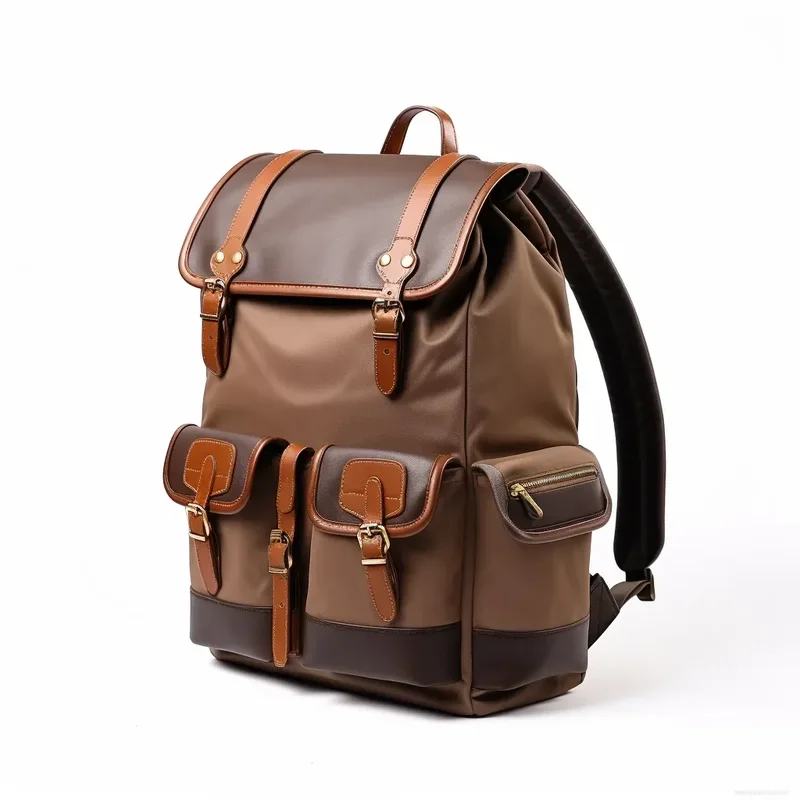
Category 1: Clothing Essentials
Your clothing choices directly impact your training performance and comfort. The right fabrics regulate temperature, manage moisture, and prevent chafing during intense sessions. Here are the clothing items that belong in every gym bag.
1. Performance Training Shoes
Your training shoes are the foundation of every workout. Running shoes, cross-trainers, or weightlifting shoes each serve different purposes, and selecting the right pair depends on your primary training style. Cross-trainers offer the best versatility for men who mix cardio with strength training. Look for shoes with a firm midsole for stability during lifts and sufficient cushioning for treadmill work.
Invest in at least two pairs and rotate them. This extends the life of each pair and prevents odour buildup. Store shoes in a ventilated compartment or mesh bag within your gym bag to allow airflow and prevent moisture accumulation.
2. Moisture-Wicking Training Top
A performance fabric training top pulls sweat away from your skin, keeping you cool and comfortable throughout your session. Synthetic materials like polyester blends dry faster than cotton and resist odour better over time. Choose a fitted but not restrictive cut that allows full range of motion for overhead lifts and stretching.
3. Flexible Training Shorts or Joggers
Training bottoms need to move with you without restriction. Shorts work best for leg day and cardio, while joggers suit upper body days and cooler gym environments. Look for options with zippered pockets to secure your keys and phone during workouts. A drawstring waist ensures a secure fit during dynamic movements.
Category 2: Hygiene and Freshness
Post-workout hygiene protects your skin, prevents infections, and ensures you can transition from the gym to your daily activities without discomfort. These items are non-negotiable for any serious gym-goer.
4. Antibacterial Microfiber Towel
A microfiber towel is the single most important hygiene item in your gym bag. Microfiber absorbs three times its weight in water, dries rapidly, and resists bacterial growth far better than cotton towels. Choose an antibacterial-treated version for maximum protection. The compact size means it takes minimal space in your bag while providing superior functionality.
5. Solid Antiperspirant Deodorant
Apply deodorant both before and after your workout for all-day confidence. Solid antiperspirants outperform sprays in a gym bag because they cannot leak, spill, or run out unexpectedly. Look for aluminium-based formulas that provide clinical-strength sweat protection. A compact stick format fits easily into any toiletry pouch.
6. Body Wipes
When a full shower is not available, body wipes are your best friend. Antibacterial body wipes effectively remove sweat, bacteria, and odour from your skin. They are particularly valuable for early morning sessions before work or evening sessions when you want to freshen up before heading home. Pack individual-sealed wipes to maintain moisture and prevent drying out in your bag.
7. Shower Flip Flops
Protecting your feet in communal showers prevents athlete's foot, plantar warts, and other fungal infections. Lightweight rubber flip flops with grip soles provide traction on wet surfaces and take up minimal space. Choose a quick-drying material that will not develop its own odour problem.
Category 3: Technology and Gadgets
Modern training leverages technology for tracking, entertainment, and safety. These tech essentials keep you connected and motivated throughout your workout.
8. Wireless Earbuds or Headphones
Music increases workout performance by up to 15 percent according to sports science research. Wireless earbuds with active noise cancellation create an immersive training environment regardless of gym noise levels. Choose sweat-resistant models with at least six hours of battery life. Keep a small charging case in your bag to ensure you never face a dead battery mid-session.
9. Phone Armband or Waist Pouch
Keeping your phone secure and accessible during workouts requires a dedicated holder. Armbands work well for treadmill running, while waist pouches suit weightlifting sessions where you need quick access between sets. Look for touchscreen-compatible materials that let you control music and track sets without removing your phone.
Category 4: Nutrition and Recovery
What you consume before and after training directly impacts your results. Pack these nutrition essentials to fuel performance and accelerate recovery.
10. Insulated Water Bottle
Proper hydration is the single most impactful thing you can do for your training performance. An insulated stainless steel water bottle keeps water cold for hours and eliminates the need for single-use plastic bottles. Choose a 750ml to 1-litre capacity with a wide mouth for easy filling and cleaning. Some bottles include measurement markers to track intake throughout your session.
11. Shaker Bottle with Pre-Portioned Protein
The post-workout recovery window matters. Having a shaker bottle with pre-measured protein powder already inside means you can add water and shake immediately after training. This eliminates friction in your recovery routine and ensures you never miss your post-workout nutrition. BPA-free bottles with mixing balls provide smooth, clump-free shakes every time.
12. Quick-Energy Snack
A small snack consumed 30 to 60 minutes before training can boost performance significantly. Keep non-perishable options in your gym bag at all times. Bananas, rice cakes, or energy bars provide fast-acting carbohydrates that fuel your workout without causing digestive discomfort. Rotate stock regularly to maintain freshness.
Category 5: Accessories and Extras
These supporting items complete your gym bag setup and address common problems that arise during training sessions.
13. Combination Lock
A quality padlock protects your belongings in gym lockers. Choose a combination lock over a keyed version because you will never lose the key mid-workout. Look for a shrouded shackle design that resists bolt cutter attacks. Set the combination to something memorable but not obvious, and never share it publicly.
14. Resistance Band
A loop resistance band serves multiple purposes in a gym setting. Use it for warm-up activation exercises, assisted stretching, adding resistance to bodyweight movements, or modifying exercises to match your current ability level. Bands are lightweight, inexpensive, and take up almost no space in your bag. A set of two different resistance levels provides versatility without bulk.
15. Separate Laundry Bag
A mesh or waterproof laundry bag keeps dirty clothes separated from clean items in your gym bag. This simple organisation tool prevents odour transfer, makes unpacking at home easier, and helps you identify when it is time to do laundry. Mesh bags allow airflow to prevent mildew, while waterproof bags contain any residual moisture from damp clothing.
Packing Strategy: How to Organise Your Gym Bag
Organisation transforms a chaotic gym bag into an efficient system that saves time and reduces stress. Follow this packing strategy to maximise space and accessibility:
| Compartment | Items to Store | Priority |
|---|---|---|
| Main compartment | Clothing, towel, shoes in separate bag | High |
| Front pocket | Lock, phone, keys, wallet | High |
| Side pocket | Water bottle | Medium |
| Toiletry pouch | Deodorant, body wipes, flip flops | Medium |
| Top quick-access | Headphones, shaker bottle, snack | High |
| Bottom compartment | Laundry bag, resistance band | Low |
Odour Management: Keeping Your Bag Fresh
Gym bag odour is caused by bacteria multiplying in damp environments. Combat this with a systematic approach. First, always air out your gym bag completely after each session by opening all compartments and zippers. Second, place a cedar block or activated charcoal sachet inside to absorb residual moisture and odours. Third, wash your bag weekly in cold water with a sports-specific detergent. Fourth, never store wet or damp items in sealed compartments for extended periods.
Consider using a gym bag with antimicrobial lining, which actively prevents bacterial growth on the fabric itself. This feature adds longevity to your bag and maintains freshness between washes. Look for bags made with silver-ion treated fabrics or similar antimicrobial technologies.
Choosing the Right Gym Bag
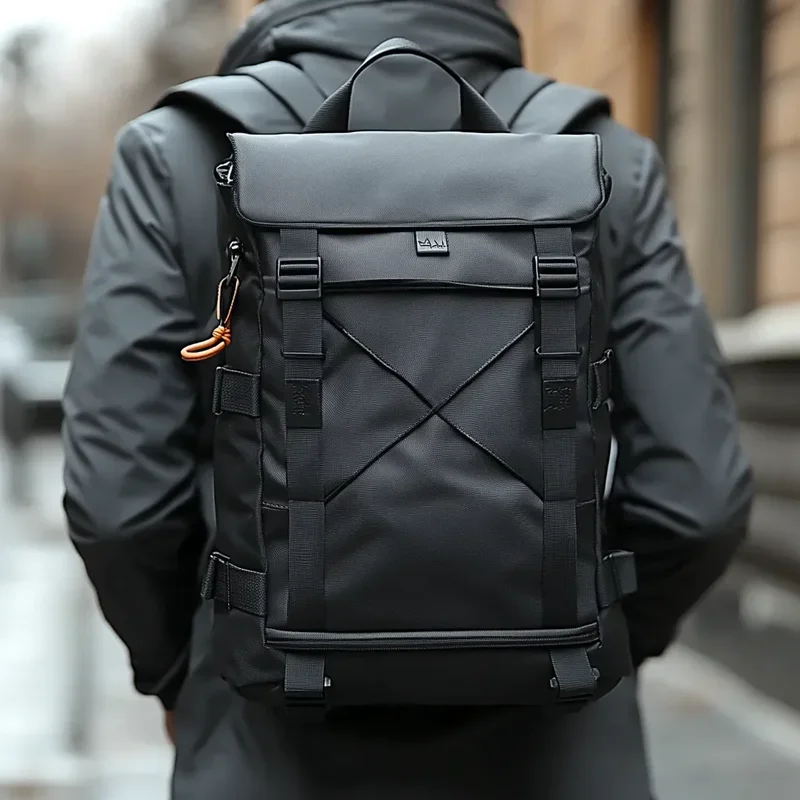
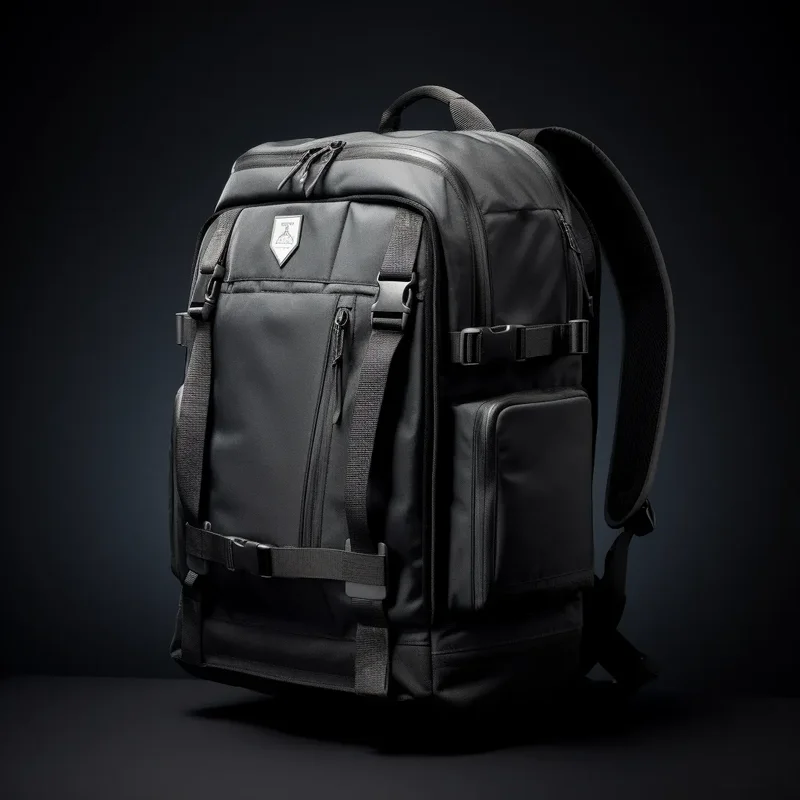
Your bag choice sets the foundation for everything else. When selecting a gym bag, prioritise these features: ventilated shoe compartment, waterproof wet-item pocket, padded laptop sleeve for versatility, durable water-resistant exterior fabric, and comfortable padded straps if you choose a backpack style. The ideal gym bag balances capacity (30-40 litres for most men) with a streamlined profile that does not look out of place in a professional environment.
Post-Workout Routine Integration
Your gym bag should support a complete post-workout routine that takes you from the gym floor to your next activity seamlessly. The ideal flow works like this: finish your final set, grab your towel and flip flops from the quick-access pocket, head to the showers, use body wipes for a quick refresh if showering is not possible, apply deodorant, change into your fresh clothes, grab your shaker bottle for recovery nutrition, and head out. When every item has its designated place and the sequence flows naturally, your entire transition takes under ten minutes.
Build this routine deliberately over your first few weeks with the properly packed bag. Once it becomes automatic, you will never dread the post-workout transition again. The preparation you do before each session directly determines how smooth everything feels afterwards.
Weekly Bag Maintenance Routine
Your gym bag itself requires regular attention to remain functional and hygienic. Empty every compartment completely after each session. Wipe down the interior with an antibacterial spray weekly. Check for tears, loose stitching, or worn zippers during your monthly inspection. Wash the bag in cold water with sports-specific detergent every two to four weeks depending on usage frequency. Air dry completely before your next use. This simple maintenance routine extends your bag's life by years and prevents the bacterial buildup that causes persistent odours no amount of air freshener can mask.
Frequently Asked Questions
What are the absolute essentials for a men's gym bag?
The 15 essentials include workout clothes, training shoes, microfiber towel, lock, water bottle, protein shake container, deodorant, body wipes, headphones, phone armband, resistance bands, shower flip flops, post-workout snack, laundry bag, and a toiletry pouch.
How do I prevent my gym bag from smelling bad?
Air out your bag after every session, use cedar blocks or charcoal sachets, wash weekly with sports detergent, never store damp clothes in sealed compartments, and choose bags with antimicrobial lining for long-term freshness.
What size gym bag do I need?
A 30-40 litre gym bag suits most men. If you carry a laptop or a full change of clothes for work alongside gym gear, consider a 40-50 litre option with multiple compartments for organisation.
Should I get a duffel or backpack style gym bag?
Backpacks offer better weight distribution for cycling or walking to the gym. Duffel bags provide easier access and a classic look. Choose based on your commute method and personal preference.
How often should I replace gym bag essentials?
Training shoes every 3-6 months, towels when they lose absorbency, deodorant weekly, and the bag itself every 2-4 years with proper care and regular cleaning.
Can I use one bag for gym and work?
Yes, modern gym bags feature separate ventilated compartments for shoes and wet items alongside padded laptop sleeves and professional-looking exteriors that transition seamlessly between environments.
Need a Custom Gym Bag for Your Brand?
We manufacture premium gym bags and duffel bags with custom branding, ventilated compartments, and durable materials. Whether you need 100 units or 10,000, we deliver quality at scale.
Email: service@junyuanbags.com
WhatsApp: +86 17750020688