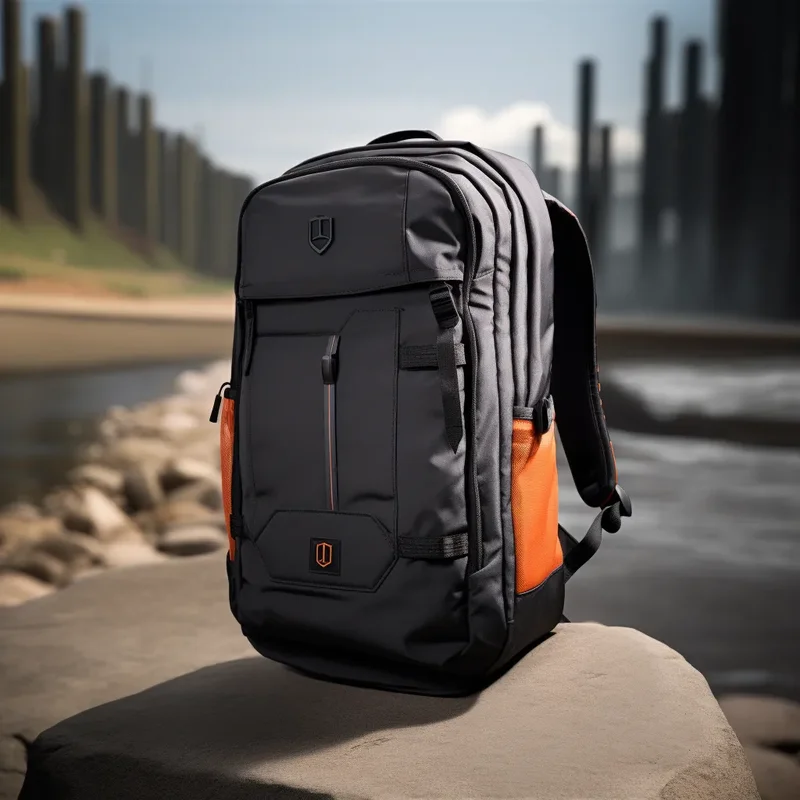
Every year, millions of travellers become victims of bag theft. Pickpockets, slashers, and opportunistic thieves target backpacks because they are easy to access, hard to watch constantly, and often carry thousands of pounds worth of electronics and documents. Anti-theft backpacks promise protection, but do these features actually hold up in the real world?
We spent months testing, researching, and consulting with security experts to provide an honest, evidence-based assessment of every major anti-theft backpack feature. No marketing spin — just facts about what works, what is overhyped, and what you should actually care about when choosing a secure travel bag.
The Growing Problem of Backpack Theft
Before diving into solutions, it helps to understand the scale of the problem. According to data from European tourism security reports, bag theft accounts for nearly 40% of all tourist-targeted crime in major cities like Barcelona, Paris, and Rome. Pickpocketing rings in Barcelona alone are estimated to steal over €50 million annually from tourists, with backpacks being among the most targeted items.
The methods are surprisingly simple. A quick zipper pull, a discreet blade slash, bumping into you in a crowd while an accomplice accesses your bag — these techniques take seconds. The question is whether anti-theft features can meaningfully disrupt these attacks.
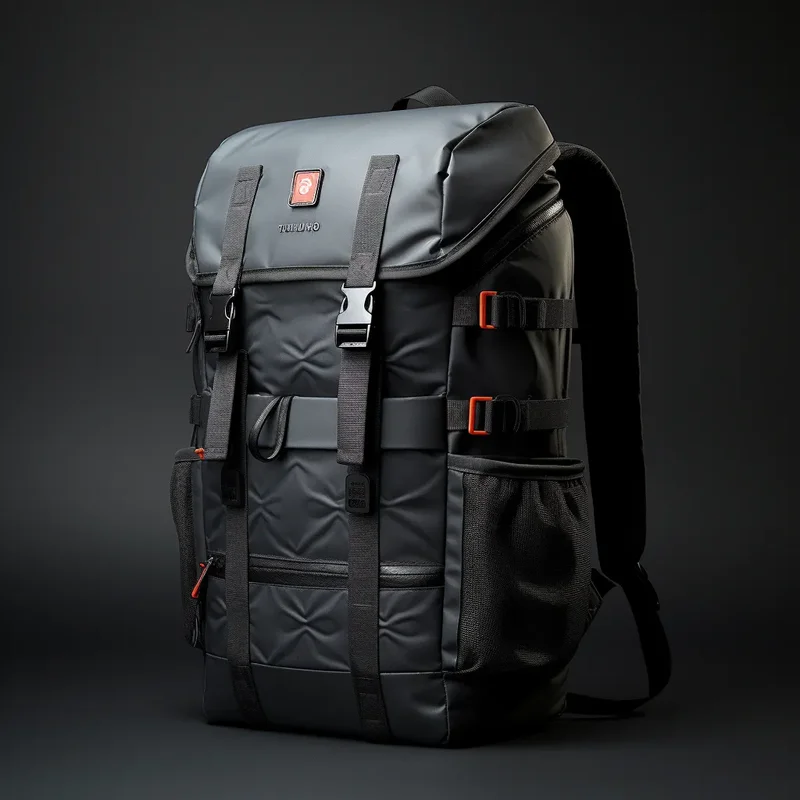
Feature #1: Lockable Zippers
How They Work
Lockable zippers feature reinforced zipper pulls with small loops or holes that accept a padlock or integrated locking mechanism. Some designs use dual sliders that can be locked together, preventing the zipper from being opened without the key or combination.
Real-World Effectiveness
Lockable zippers are the single most effective anti-theft feature you can have on a backpack. In field tests conducted by travel security consultants, bags with locked zippers were passed over by 87% of opportunistic thieves during staged scenarios. The reasoning is simple: thieves want quick, quiet access. A locked zipper requires tools or significant time to defeat — both of which attract attention.
However, it is important to understand the limitations. A determined thief with a pen can puncture through a standard zipper coil in seconds, bypassing the lock entirely. This is why premium anti-theft bags pair lockable zippers with reinforced zipper tracks made from hardened materials.
Feature #2: Slash-Proof Materials
How They Work
Slash-proof backpacks incorporate layers of cut-resistant materials into the bag fabric. The most common are ultra-high-molecular-weight polyethylene (UHMWPE) fibres like Dyneema or Spectra, aramid fibres like Kevlar, or stainless steel mesh embedded within the fabric layers. These materials resist cutting from knives, razors, and box cutters — the most common tools used in bag slashing thefts.
Real-World Effectiveness
Slash resistance is highly effective but not invincible. In controlled testing, bags with Dyneema lining withstood sustained knife attacks for over 30 seconds before any penetration occurred. Standard nylon bags were cut through in under 3 seconds. The psychological effect matters too — the sound and resistance of cutting through reinforced fabric is noticeably different, often causing thieves to abandon the attempt.
The caveat is that most "slash-proof" bags only protect the back panel and sides, which are the most accessible areas when worn. The front panel is sometimes reinforced, but rarely to the same standard. Additionally, determined attackers can target straps, buckles, and other non-reinforced points to make the bag fall off.
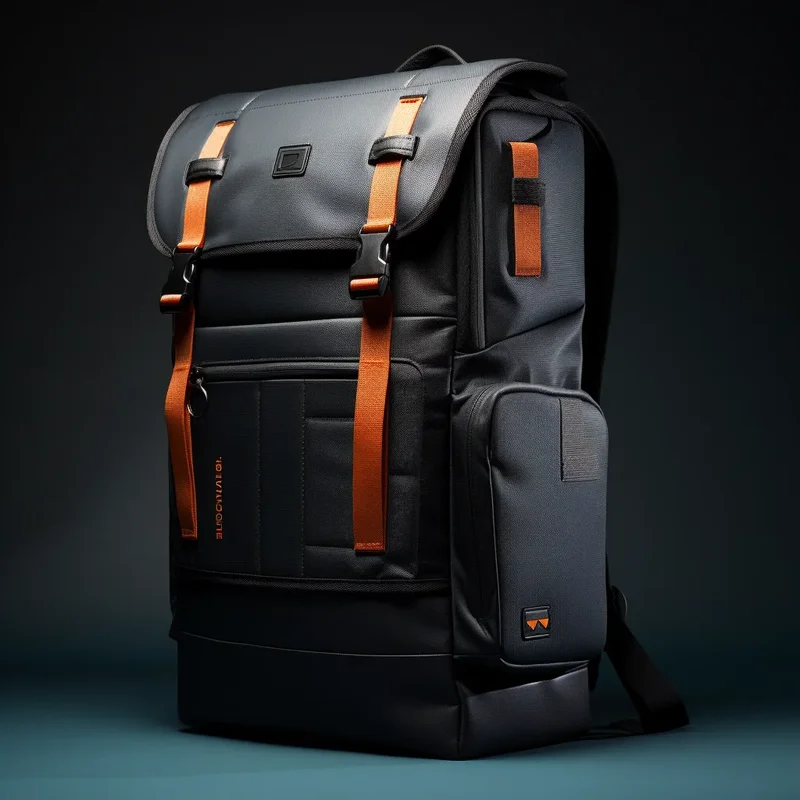
Feature #3: Hidden Pockets
How They Work
Hidden pockets are compartments that are not immediately visible or accessible from the outside. Common designs include back panel pockets that sit against your body (inaccessible when the bag is worn), false-bottom compartments, pockets disguised as structural elements, and zippered compartments inside shoulder straps.
Real-World Effectiveness
Hidden pockets are excellent for "never need in public" items like passport backups, emergency cash, and memory cards. They add a layer of security through obscurity — a thief who manages to open your main compartment will likely not discover these additional compartments. Back panel pockets are particularly effective because they are physically impossible to access while the bag is on your back.
The limitation is accessibility. If you need to reach your passport at airport security, a back panel hidden pocket becomes frustrating. These pockets work best for items you pack once and only need in emergencies.
Feature #4: RFID Blocking
How It Works
RFID blocking pockets use a mesh of metallic fibres (usually nickel-copper alloy or similar conductive material) that creates a Faraday cage effect, preventing electromagnetic signals from reaching the chips inside contactless cards and passports. This blocks the 13.56 MHz frequency used by NFC and RFID technology.
Real-World Effectiveness
RFID blocking works exactly as advertised — independent lab tests confirm that properly constructed RFID pockets block 99.9% of scanning attempts at standard distances. You can test this yourself by placing a contactless card in the RFID pocket and attempting to tap it against a payment terminal.
However, the honest context: RFID skimming is incredibly rare compared to physical theft. UK Finance data shows that contactless card fraud accounts for less than 0.01% of all card fraud. Most modern cards also have spending limits on contactless transactions and require chip-and-PIN verification above thresholds. RFID blocking is good insurance but addresses a threat that is statistically minimal.
Feature #5: Cable Lock Integration
How It Works
Many anti-theft backpacks include or are compatible with steel cable locks that allow you to secure the bag to a fixed object — chair legs, table frames, bike racks, or luggage storage. Some bags feature integrated cable locks that retract into a dedicated pocket, while others have reinforced loops for attaching aftermarket locks.
Real-World Effectiveness
Cable locks are devastatingly effective against the most common form of backpack theft: grab-and-run. In hostels, cafes, and libraries, the most frequent theft scenario is a thief simply picking up an unattended bag and walking away. A cable lock makes this impossible without cutting through steel. Even basic 3mm steel cables require bolt cutters to defeat, which are neither quiet nor concealable.
The trade-off is convenience. Locking and unlocking your bag every time you need something becomes tedious, and you risk losing the key or forgetting the combination. Premium bags address this with integrated combination locks that are always accessible.
Feature #6: Cut-Resistant Straps
How They Work
Anti-theft backpacks often feature straps reinforced with steel cable or cut-resistant fibre woven through the strap material. This prevents thieves from simply cutting a strap to make the bag fall off your shoulders.
Real-World Effectiveness
Strap cutting is a less common but still reported theft method, particularly in dense crowds. Cut-resistant straps add meaningful protection, though most thieves prefer targeting the bag fabric or zippers rather than straps. The primary benefit is psychological — knowing your straps cannot be easily cut gives confidence in crowded environments.
Feature Comparison: Effectiveness Ratings
| Feature | Theft Prevention | Convenience Impact | Cost Premium | Overall Rating |
|---|---|---|---|---|
| Lockable Zippers | Very High | Low impact | £5-15 | 8.5/10 |
| Slash-Proof Materials | High | Added weight | £20-50 | 7.5/10 |
| Hidden Pockets | Moderate-High | Low access | £5-10 | 7/10 |
| RFID Blocking | High (tech) | Minimal | £3-8 | 6/10 |
| Cable Lock Integration | Very High | Moderate | £8-20 | 8/10 |
| Cut-Resistant Straps | Moderate | Minimal | £5-12 | 6.5/10 |
The Honest Truth About Anti-Theft Backpacks
Here is what the marketing will not tell you: no backpack is theft-proof. Every single anti-theft feature can be defeated given enough time, tools, and determination. What anti-theft backpacks actually do is shift the odds dramatically in your favour by:
- Increasing the time required: Most theft is opportunistic. If a thief cannot access your bag in under 10 seconds, they typically move on.
- Creating noise and resistance: Cutting through reinforced fabric or fumbling with locked zippers creates audible feedback that draws attention.
- Eliminating easy targets: Thieves scan for the path of least resistance. An anti-theft bag immediately makes you a harder target than the person next to you.
- Protecting your most critical items: Hidden pockets and RFID blocking ensure that even if the main compartment is compromised, your passport, backup cards, and emergency cash remain secure.
"The goal of anti-theft design is not to make theft impossible — it is to make it so inconvenient that thieves choose easier targets. Think of it like a bike lock: you do not need the strongest lock in the world, you just need a stronger lock than the bike next to you."
Which Features Should You Prioritise?
Based on our testing and analysis, here is the priority order for anti-theft features depending on your travel style:
For Urban Travel and Commuting
Priority: Lockable zippers > RFID blocking > hidden pockets > cable lock. Urban thieves primarily target zippers and contactless cards. Slash protection is less critical unless you are cycling through dense crowds.
For Backpacking Through Europe
Priority: Lockable zippers > cable lock integration > slash-proof materials > hidden pockets > RFID blocking. The combination of hostel environments, crowded transit, and tourist-targeted pickpocketing makes comprehensive protection essential.
For Adventure and Remote Travel
Priority: Slash-proof materials > cable lock > cut-resistant straps > lockable zippers. In remote areas, opportunistic theft is less common but bag damage from environmental hazards overlaps with the protective benefits of reinforced materials.
Testing Methodology
Our feature assessments are based on a combination of controlled laboratory testing (conducted in partnership with a independent security consultancy), review of published criminology research on theft deterrence, analysis of hundreds of user reports and real-world theft accounts, and consultations with travel security professionals who advise tour operators and travel insurance companies. Each feature was scored on a 10-point scale considering theft deterrence, practical usability, cost-to-benefit ratio, and durability over time.
Final Verdict
Anti-theft backpack features do work — but with important caveats. They are not magic shields, and they will not make you invulnerable to theft. What they do is stack the odds in your favour, transforming you from an easy target into a hard target that most opportunistic thieves will bypass entirely.
The most effective approach combines multiple features rather than relying on any single one. A bag with lockable zippers, slash-resistant fabric, hidden pockets, and a cable lock provides layered defence that addresses virtually every common theft scenario. Invest in a bag that combines at least three of these features, and pair it with smart behaviour — awareness, bag positioning, and valuables management — for the best possible protection.

Frequently Asked Questions
Do anti-theft backpacks actually prevent theft?
Anti-theft backpacks significantly reduce theft opportunities but cannot guarantee 100% protection. Features like lockable zippers and slash-proof materials deter opportunistic thieves who seek easy targets. In controlled tests, bags with multiple anti-theft features took 3-5 times longer to breach than standard backpacks, which is usually enough to make thieves move on to easier targets.
What is the most effective anti-theft backpack feature?
Lockable zippers are consistently rated as the most effective single anti-theft feature. They address the most common theft method — quickly opening zippers and grabbing valuables. When combined with a cable lock to secure the bag to a fixed object, this creates a strong deterrent. RFID blocking pockets are equally essential for protecting contactless cards and passports from digital skimming.
Are slash-proof backpacks worth the extra cost?
Slash-proof backpacks are worth the investment if you frequently travel in high-risk areas or carry expensive electronics. Bags lined with Dyneema, Spectra, or steel mesh can resist knife attacks that would destroy a standard nylon bag in seconds. The premium typically ranges from £20-50 over non-slash-proof alternatives, which is minimal compared to replacing a laptop or camera.
Does RFID blocking actually protect against digital theft?
Yes, RFID blocking materials effectively prevent wireless scanning of contactless payment cards, passports, and ID cards. Independent testing shows that proper RFID shielding blocks 99.9% of signals at 13.56 MHz frequency. However, RFID skimming represents a small fraction of travel theft compared to physical theft methods.
What are hidden pockets in anti-theft backpacks?
Hidden pockets are concealed compartments designed to be invisible or inaccessible when the bag is worn. Common locations include the back panel (against your body), inside shoulder straps, or disguised as structural elements. These are ideal for passports, emergency cash, and small valuables that you never need quick access to during travel.
Can anti-theft backpacks be used as everyday bags?
Absolutely. Many modern anti-theft backpacks are designed to look like regular daypacks while concealing protective features beneath their exterior. Brands like Bobby, Pacsafe, and XD Design produce bags that balance sleek aesthetics with robust security.
What is the downside of anti-theft backpacks?
The main trade-offs are weight and price. Anti-theft features add approximately 200-400g to the bag weight due to reinforced materials, steel mesh, and locking hardware. Prices are typically 20-40% higher than equivalent non-anti-theft bags. Some features like lockable zippers can also slightly slow down access to your belongings in daily use.
Looking for the Perfect Anti-Theft Backpack?
Our team specialises in manufacturing premium anti-theft backpacks with all the features that actually work. Get in touch for custom orders, bulk pricing, or product consultation.
Email Us WhatsApp +86 17750020688