Table of Contents
- The $150 Question Everyone Asks
- Detailed Price Comparison
- Feature-by-Feature Value Assessment
- Durability Concerns with Electronics
- Warranty Differences That Matter
- Who Actually Benefits from Smart Features
- The Decision Matrix
- Long-Term ROI Analysis
- The DIY Alternative: Adding Tech to a Regular Backpack
- Final Verdict
- Frequently Asked Questions
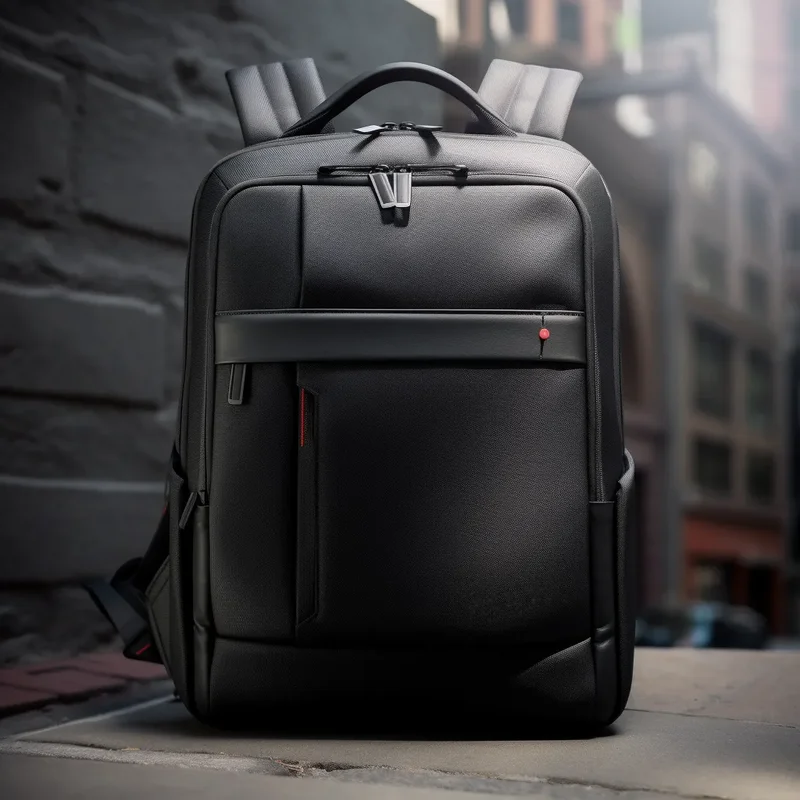
Every time someone considers upgrading to a smart backpack, the same question surfaces: is the technology actually worth paying significantly more than a regular bag? Marketing material makes tech features sound indispensable. User reviews range from enthusiastic endorsements to dismissive complaints about dead batteries and broken ports. The truth, as always, sits somewhere in between.
This is not a surface-level comparison. We are going to break down the exact cost differences, evaluate each smart feature's real-world value, examine how electronics affect long-term durability, and build a decision framework that helps you determine whether the tech backpack investment makes sense for your specific situation and daily routine.
The $150 Question Everyone Asks
Walk into any bag store or browse online, and the price difference is immediately apparent. A quality regular backpack from a reputable brand costs $50-$150. A smart backpack with comparable capacity and similar materials costs $120-$300. That $70-$150 premium buys integrated technology, but does it buy genuine value?
The answer depends entirely on your usage patterns, the specific features you need, and how you define "value." A tech backpack worth every penny for a daily commuter carrying three electronic devices might be a complete waste of money for someone who just needs to carry a laptop and some notebooks.
Rather than offering a simplistic yes-or-no answer, this analysis provides the framework and data to make your own informed decision. Let us start with the numbers.
Detailed Price Comparison
Understanding the true cost of ownership requires looking beyond the initial purchase price. Here is a comprehensive breakdown across price tiers.
Entry Level ($40-$100)
| Feature Set | Regular Backpack | Smart Backpack |
|---|---|---|
| Typical Price Range | $40-$70 | $80-$100 |
| Materials | Polyester or basic nylon | Water-resistant polyester |
| Laptop Compartment | Basic padded sleeve | Padded sleeve with organization |
| Tech Features | None | USB charging port + power bank pocket |
| Anti-Theft Features | Standard zippers | Lockable zippers, hidden pockets |
| Price Premium for Tech | Baseline | +$30-$50 |
Mid Range ($100-$200)
| Feature Set | Regular Backpack | Smart Backpack |
|---|---|---|
| Typical Price Range | $100-$150 | $150-$200 |
| Materials | Ballistic nylon or premium polyester | Ballistic nylon with water-resistant coating |
| Laptop Compartment | Padded, suspended sleeve | Padded, suspended, TSA-friendly |
| Tech Features | None | USB-C + USB-A, GPS tag pocket, LED lighting |
| Organization | Good (6-10 pockets) | Excellent (10-15 pockets with tech-specific organization) |
| Price Premium for Tech | Baseline | +$50-$80 |
Premium ($200+)
| Feature Set | Regular Backpack | Smart Backpack |
|---|---|---|
| Typical Price Range | $150-$300 | $200-$400 |
| Materials | Premium materials, often minimalist | Premium materials with tech integration layers |
| Brand Examples | Aer, Bellroy, Peak Design, Goruck | Bobby/XD Design, Solgaard, Nomatic |
| Tech Features | None (clean design) | Full suite: solar, GPS, Bluetooth, biometric locks |
| Build Quality | Often superior (no electronic complexity) | Good, but electronic components add failure points |
| Price Premium for Tech | Baseline | +$50-$100 |
Key Insight: The price premium for smart features narrows as you move upmarket. At the entry level, tech adds 50-100% to the price. At premium tiers, the premium drops to 20-40% because high-end regular backpacks already command significant prices based on materials and brand alone.
Feature-by-Feature Value Assessment
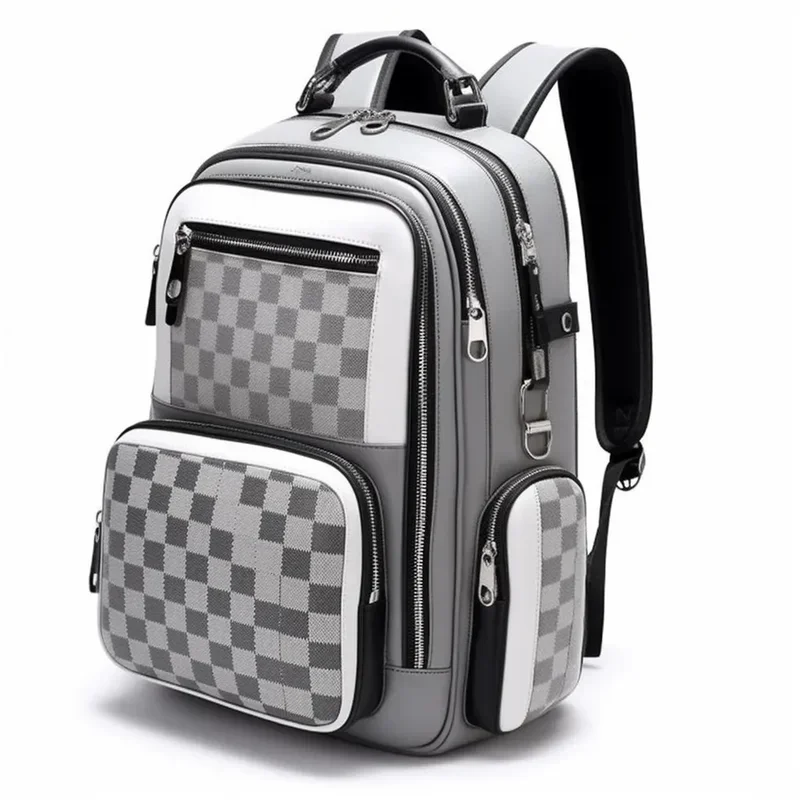
Not all smart features are created equal. Some deliver daily, tangible value that justifies their contribution to the price premium. Others are marketing differentiators that sound impressive but provide minimal practical benefit. Here is our honest assessment of each major feature category.
USB Charging Ports
Value Rating: 8/10
This is the single most valuable smart feature for most users. The convenience of charging your phone from your backpack without digging through compartments pays dividends daily. The implementation cost to manufacturers is low (a cable and port housing), yet it delivers high perceived value. For commuters and travelers, this feature alone can justify the price premium of an entry-level smart backpack over a comparable regular bag.
Real-world value: Eliminates the need to unpack your bag to access your power bank. Particularly valuable on public transit, during layovers, or when walking with your phone in your pocket. The standalone cost of a quality power bank ($25-$40) nearly covers the price premium of a smart backpack with a USB port.
GPS Tracking Integration
Value Rating: 7/10
Dedicated AirTag or SmartTag pockets add value primarily through concealment and security. The tracker itself ($29-$35) is inexpensive, but having a purpose-built, hidden pocket that maintains good Bluetooth signal while remaining undetectable is genuinely useful. For frequent travelers or commuters in high-theft areas, this feature provides peace of mind that is difficult to quantify but clearly valued by users.
Real-world value: Concealed tracker pockets are more secure than placing an AirTag in an open compartment. They maintain better Bluetooth connectivity because they are positioned strategically within the bag's structure. However, if you never worry about theft or loss, this feature provides zero practical value.
Solar Panels
Value Rating: 4/10
Solar panels are the most polarizing smart feature. Enthusiasts love the idea of harvesting free energy. In practice, the energy generated is modest at best: typically 5-12 watts under ideal conditions, translating to roughly a partial phone charge per day of outdoor use. For most urban users, solar panels add cost, weight, and aesthetic compromise while delivering negligible charging benefit. For hikers, festival-goers, or people in off-grid situations, the value proposition improves significantly.
Real-world value: On a sunny 8-hour hiking day, a 10W solar panel might generate 40 watt-hours, enough for about one full smartphone charge. On a cloudy day in the city, you might generate 5-10 watt-hours, barely enough to keep a phone alive. The feature adds $30-$60 to the backpack cost and $100-$200g of weight.
Bluetooth Speakers
Value Rating: 3/10
Integrated speakers are the feature we recommend most cautiously. Sound quality from backpack-mounted speakers is inherently limited by size constraints. You are better served by a dedicated portable speaker that you can position for optimal sound. The integration adds cost and creates another electronic component that can fail. For most users, a separate $30 Bluetooth speaker outperforms the built-in speakers in most smart backpacks.
LED Lighting
Value Rating: 6/10
Safety-focused LED lighting (rear and side visibility lights for night cycling and walking) provides genuine safety value. Interior LEDs that illuminate the bag's contents are convenient for finding items in dark environments. Customizable RGB panels are more of a novelty feature that appeals to a niche audience. Safety LEDs are the most valuable variant of this technology.
Real-world value: For cyclists and nighttime commuters, integrated safety LEDs eliminate the need for separate clip-on lights and provide a cleaner look. The power draw is minimal. Interior LEDs add about $10-$15 to manufacturing cost but save considerable fumbling time in dark settings.
Anti-Theft Sensors (Biometric Locks, Alarm Systems)
Value Rating: 5/10
Biometric zipper locks and motion-triggered alarms add a layer of security that regular backpacks simply cannot offer. However, they also add failure points, require battery management, and can malfunction in inconvenient ways (false alarms, sensor failures). For most theft scenarios, the deterrent effect matters more than the actual locking mechanism. A thief is more likely to target an easier bag than to defeat a smart lock.
Durability Concerns with Electronics
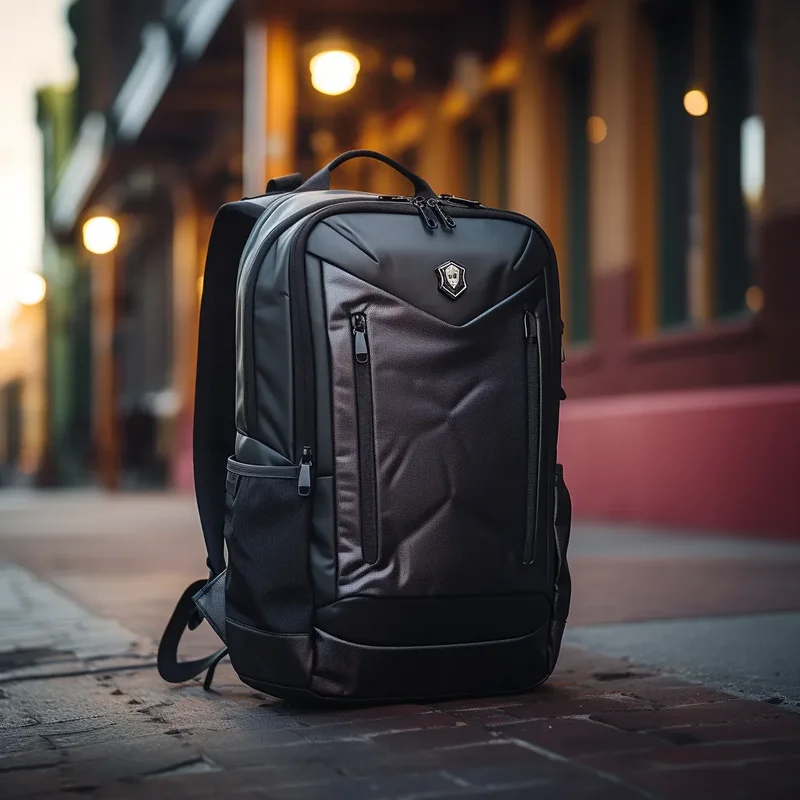
This is where the smart vs. regular backpack comparison becomes nuanced. The fabric and construction of a quality smart backpack can match or approach the durability of a premium regular backpack. Many smart bags use the same 1680D ballistic nylon, YKK zippers, and reinforced stitching as their non-tech counterparts.
However, electronics introduce failure modes that simply do not exist in regular backpacks:
Component-Specific Failure Points
- USB Ports: The mechanical stress of plugging and unplugging cables wears the port's internal contacts. After 2,000-5,000 insertion cycles (roughly 2-4 years of daily use), ports may become loose or stop working entirely
- Internal Cables: Repeated bending as the backpack is opened, closed, compressed, and expanded can fracture internal wiring. This is the most common electronic failure in smart backpacks
- Power Banks: Lithium-ion batteries degrade with charge cycles. After 300-500 full cycles (roughly 2-3 years of daily use), capacity drops to 80% of original. After 500-800 cycles, the drop becomes significant enough to notice
- Circuit Boards: Any soldered connections in LED controllers, Bluetooth modules, or sensor boards can crack from vibration and impact over time
- Solar Panels: Thin-film solar cells degrade with UV exposure and physical stress. Expect 10-20% efficiency loss over 3-5 years of regular outdoor use
Lifespan Comparison
| Component | Regular Backpack Lifespan | Smart Backpack Component Lifespan |
|---|---|---|
| Fabric Shell | 5-10+ years | 5-10+ years (similar materials) |
| Zippers | 5-10+ years | 5-10+ years (same quality) |
| Straps and Padding | 3-7 years | 3-7 years (similar) |
| USB Ports | N/A | 2-4 years |
| Internal Cables | N/A | 2-5 years |
| Power Bank | N/A | 2-3 years (removable/replaceable) |
| LED Lighting | N/A | 3-5 years |
| Solar Panels | N/A | 3-5 years (with efficiency loss) |
| Overall Functional Life | 5-10+ years | Tech features: 2-5 years; Bag body: 5-10+ years |
Critical Point: When electronic features fail in a smart backpack, the bag continues functioning as a regular backpack. You lose the tech features but retain the carrying capacity. This means the worst-case scenario is not a useless bag, but rather a regular bag that you overpaid for.
Warranty Differences That Matter
Warranty coverage reveals another important dimension of the cost comparison.
Regular Backpack Warranties
Premium regular backpack brands often offer exceptional warranties:
- Osprey: All Mighty Guarantee (lifetime, no questions asked)
- Patagonia: Ironclad Guarantee (lifetime repair or replacement)
- Gregory: Lifetime warranty against defects
- Goruck: Scars Lifetime Guarantee (covers all damage, including misuse)
- The North Face: Lifetime warranty on manufacturing defects
Smart Backpack Warranties
Smart backpack warranties tend to be shorter and more complex:
- Bag body: Typically 1-3 years, shorter than premium regular backpack warranties
- Electronic components: Usually 1 year, sometimes 6 months for batteries
- Exclusions: Water damage to electronics, normal battery degradation, and physical damage to ports are commonly excluded
- Replacement: Electronic failures may result in part replacement rather than full bag replacement
Warranty Gap: Premium regular backpacks often out-warrant smart backpacks significantly. A $180 Osprey bag has a lifetime warranty. A $250 smart backpack typically has a 1-2 year warranty on electronics and 2-3 years on the bag body. This is an important factor in the long-term value equation.
Who Actually Benefits from Smart Features
The value of a smart backpack is not universal. Here is a profile-based analysis of who genuinely benefits and who is better served by a regular bag.
Strong Candidates for Smart Backpacks
- Daily urban commuters carrying 2+ electronic devices who lack reliable access to charging outlets during their day
- Frequent business travelers who need organized tech storage, anti-theft features in transit, and charging capability during layovers
- Digital nomads who work from cafes, co-working spaces, and public areas where power outlets are shared or unavailable
- Cycling commuters who benefit from integrated safety lighting and hands-free audio
- Outdoor enthusiasts on multi-day trips who benefit from solar charging and GPS tracking in remote areas
- Students on large campuses who spend 8+ hours away from their dorms or homes
Better Served by Regular Backpacks
- Minimalist carriers who transport only a laptop and a few essentials
- Office workers with dedicated desks and readily available charging throughout their day
- Short-commute users whose total transit time is under 30 minutes
- Outdoor adventurers prioritizing ultralight weight over tech features
- Budget-conscious buyers who prefer spending on electronics separately for more flexibility
- Longevity-focused buyers who want a bag that performs identically in year 8 as in year 1
The Decision Matrix
Smart Backpack Decision Framework
Answer these questions honestly. Each "Yes" adds weight toward choosing a smart backpack.
| Question | Yes Score | No Score |
|---|---|---|
| Do you carry 2+ electronic devices daily? | +2 | 0 |
| Do you regularly face situations where charging outlets are unavailable? | +2 | 0 |
| Have you ever had a backpack stolen or lost? | +2 | 0 |
| Do you commute by bicycle or walk in low-light conditions? | +1 | 0 |
| Do you spend 8+ hours away from home/office most days? | +1 | 0 |
| Do you frequently travel for work or leisure? | +1 | 0 |
| Do you prefer all-in-one solutions over separate accessories? | +1 | 0 |
| Is your budget over $150 for a backpack? | +1 | 0 |
| Do you prefer maximum longevity from your gear? | 0 | +2 |
| Do you already own quality standalone accessories (power bank, tracker)? | 0 | +1 |
| Is ultralight weight a top priority? | 0 | +2 |
Scoring: 7 or more = Smart backpack is a strong choice. 4-6 = Consider your specific needs. 3 or less = A regular backpack with separate accessories likely offers better value.
Long-Term ROI Analysis
Let us model the total cost of ownership over a 5-year period for three scenarios:
Scenario A: Regular Backpack Only
| Item | Cost | Lifespan | 5-Year Total |
|---|---|---|---|
| Premium regular backpack | $150 | 5+ years | $150 |
| Standalone power bank | $35 | 3 years | $70 (2 replacements) |
| AirTag tracker | $29 | 5 years (with battery swaps) | $38 (including batteries) |
| Clip-on safety light | $15 | 2 years | $40 (3 units) |
| Total 5-Year Cost | $298 | ||
Scenario B: Mid-Range Smart Backpack
| Item | Cost | Lifespan | 5-Year Total |
|---|---|---|---|
| Smart backpack (USB + GPS pocket + LED) | $180 | 5 years (fabric); tech 3 years | $180 |
| Replacement power bank (year 3) | $35 | 3 years | $35 |
| AirTag for dedicated pocket | $29 | 5 years | $29 |
| Total 5-Year Cost | $244 | ||
Scenario C: Premium Smart Backpack
| Item | Cost | Lifespan | 5-Year Total |
|---|---|---|---|
| Premium smart backpack (all features) | $300 | 5 years (fabric); tech 3 years | $300 |
| Replacement power bank (year 3) | $45 | 3 years | $45 |
| Cellular GPS subscription | $5/month | 5 years | $300 |
| Replacement solar panel/LED repair | $50 | 4 years | $50 |
| Total 5-Year Cost | $695 | ||
Financial Takeaway: At the mid-range tier, a smart backpack is actually cheaper over 5 years than buying equivalent standalone components separately. The premium tier with cellular subscriptions becomes significantly more expensive. The regular backpack route only wins on pure cost if you do not need the accessories anyway.
The DIY Alternative: Adding Tech to a Regular Backpack
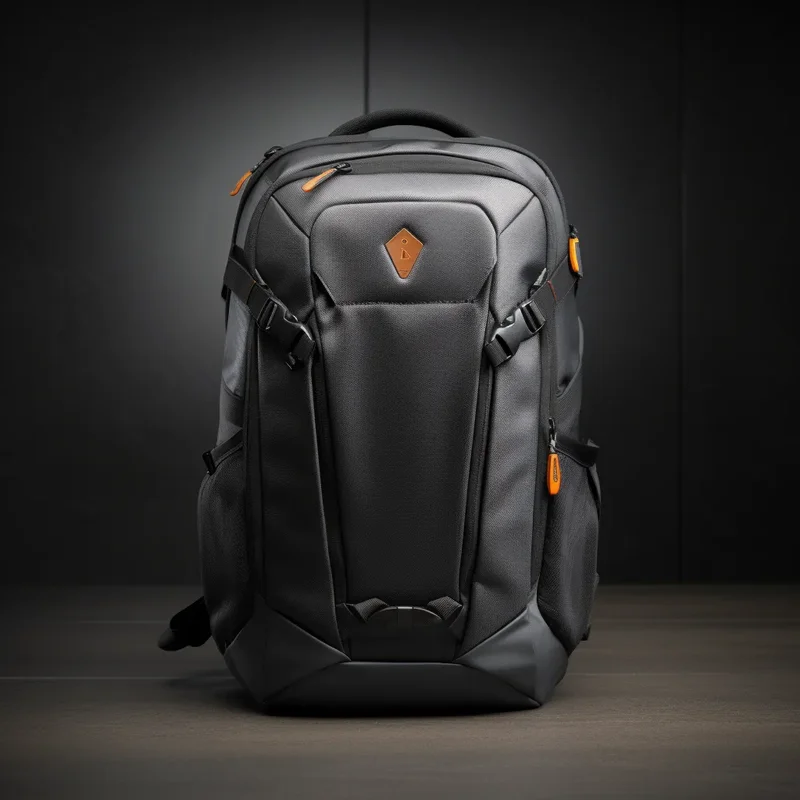
For many people, the optimal solution lies between a fully smart backpack and a plain regular bag. The DIY approach involves purchasing a quality regular backpack and adding specific tech accessories as needed.
DIY Smart Backpack Kit
| Component | Recommended Option | Cost |
|---|---|---|
| Quality regular backpack | Mid-range brand with good organization | $80-$120 |
| Power bank | 10,000mAh with USB-C PD | $25-$40 |
| Tracker | AirTag or Tile Pro | $29-$35 |
| Cable organizer pouch | Dedicated tech pouch for cables and adapters | $15-$25 |
| Safety light | USB rechargeable clip-on LED | $10-$20 |
| Total | $159-$240 | |
Advantages of DIY: You choose each component, can upgrade individual pieces independently, and can transfer accessories between bags. You also avoid the durability concerns of integrated electronics.
Disadvantages of DIY: No clean integration. Components shift inside the bag. Cables run externally or tangle with contents. The aesthetic is less polished. You lose the streamlined organization that purpose-built smart backpacks provide.
Final Verdict
After extensive analysis, here is our nuanced conclusion:
The Smart Backpack Is Worth It When...
- You carry multiple electronic devices daily and lack reliable charging access
- You value clean, integrated design over modular flexibility
- You commute in environments where anti-theft features provide genuine peace of mind
- You choose a mid-range smart backpack ($150-$200) where the feature-to-cost ratio is optimal
- You accept that tech features may degrade before the bag's fabric does
The Regular Backpack Is Better When...
- You already own quality standalone accessories that meet your needs
- You prioritize maximum longevity and want a bag that performs identically for a decade
- You prefer to upgrade electronics separately from your bag
- You are on a strict budget where $50-$100 savings matters significantly
- You want the strongest warranty coverage available
- You prefer ultralight gear without electronic weight penalty
The smart backpack market has matured significantly. Entry-level models with USB charging deliver genuine value at modest premiums. Mid-range models with thoughtful feature integration offer the best cost-benefit ratio. Premium models with extensive electronics face diminishing returns and higher long-term costs. The key is matching your actual usage patterns to the features that matter, rather than paying for capabilities you will never use.
Frequently Asked Questions
How much more does a smart backpack cost compared to a regular backpack?
Smart backpacks typically cost between $80 and $350, while comparable regular backpacks range from $40 to $180. The tech premium averages $50-$150 depending on features. Basic smart backpacks with only USB charging start around $80-$100. Models with GPS tracking, solar panels, and speakers can exceed $250. The price gap narrows at the premium end, where high-end regular backpacks from brands like Aer or Bellroy overlap with mid-range smart backpack pricing.
Do smart backpacks last as long as regular backpacks?
The fabric and construction of smart backpacks can last just as long as regular backpacks, often using identical materials like ballistic nylon or polyester. However, the electronic components have a shorter lifespan than fabric. USB ports may wear out after 2-4 years of daily use, power banks degrade over 2-3 years, and internal cables can fail from repeated bending. On average, expect the tech features to become unreliable after 3-5 years, though the bag itself may remain functional much longer.
Who benefits most from buying a smart backpack?
Smart backpacks deliver the most value for daily commuters who carry multiple electronic devices, frequent travelers who need constant charging access, outdoor enthusiasts who benefit from solar panels and GPS tracking, and professionals who want integrated anti-theft protection. If you carry a phone, laptop, tablet, and other electronics daily and lack reliable access to charging outlets, a smart backpack provides genuine convenience worth the investment.
Are smart backpacks worth it for students?
For students who spend long days on campus without easy access to charging outlets, smart backpacks offer meaningful value. The USB charging port alone can save the frustration of a dead phone during a long day of classes. However, students on tight budgets should consider whether a $100-$150 smart backpack provides enough benefit over a $50 regular backpack plus a $25 standalone power bank to justify the premium.
What happens if the electronics in a smart backpack break?
If electronics fail, the backpack typically continues functioning as a regular bag. The USB port may stop working, but the compartments, zippers, and fabric remain intact. Most brands offer 1-2 year warranties covering electronic components, though fabric warranties on premium regular backpacks often last longer. Some smart backpacks use removable power banks, meaning you can replace just the electronic component without replacing the entire bag.
Can I just add tech features to a regular backpack myself?
Yes, you can replicate some smart backpack features by adding aftermarket components. An AirTag ($29) provides tracking, a portable power bank ($20-$50) solves charging needs, and adhesive LED strips ($10-$20) add lighting. However, this DIY approach lacks the clean integration of purpose-built smart backpacks. Cables run externally, components shift inside the bag, and the overall aesthetic suffers. The total cost may approach or exceed an entry-level smart backpack anyway.
Is the resale value of smart backpacks better than regular backpacks?
Generally, regular backpacks from premium brands hold their resale value better than smart backpacks. A used Patagonia or Osprey bag in good condition retains 40-60% of its retail price. Smart backpacks depreciate faster because electronics age quickly, batteries degrade, and ports become outdated. A three-year-old smart backpack may retain only 20-35% of its original value. This is an important consideration in the total cost of ownership calculation.
Ready to Design Your Smart Backpack?
Whether you are building a brand or sourcing tech-integrated backpacks for retail, our manufacturing team can help you develop products that balance innovation, durability, and cost-effectiveness.
Email: service@junyuanbags.com
WhatsApp: +86 17750020688