Choosing the right laptop backpack is one of those decisions that feels simple on the surface but quickly becomes complicated once you start comparing options. The most common dilemma shoppers face is choosing between a 15-inch and a 17-inch laptop backpack. On paper, the difference is only two inches. In practice, those two inches change everything about your daily carry experience, from how your backpack feels on your shoulders to how easily it fits under an airplane seat.
This guide goes far beyond the obvious size difference. We will break down every factor that matters: dimensions, laptop fit accuracy, storage capacity, weight distribution, comfort during long commutes, airline carry-on compatibility, and the everyday situations where one size clearly outperforms the other. By the end, you will know exactly which size fits your lifestyle, your laptop, and your routine.
Understanding Laptop Backpack Sizes: What the Numbers Actually Mean
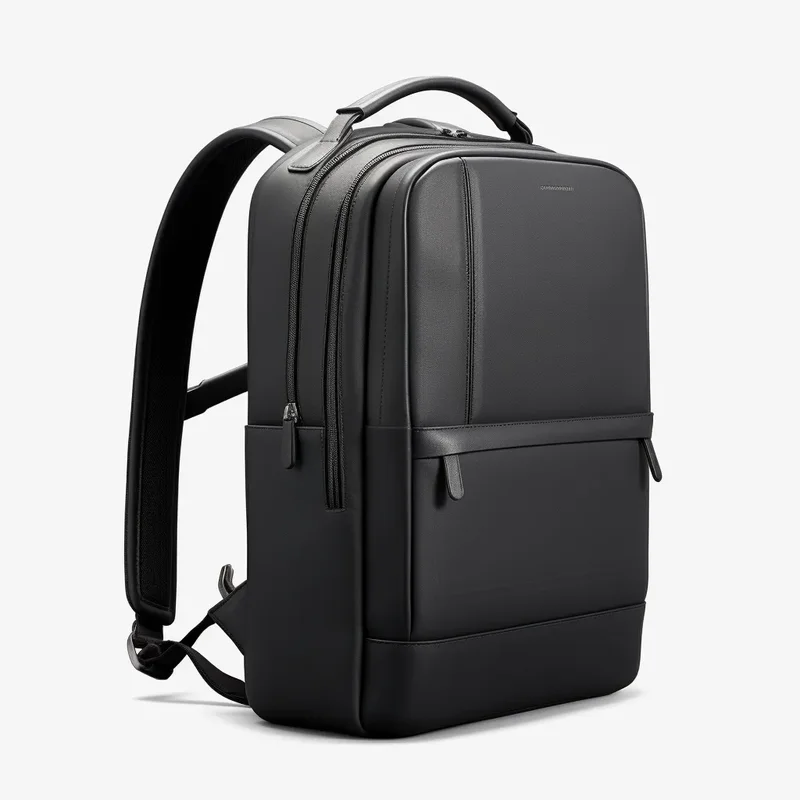
When manufacturers label a backpack as a 15-inch laptop backpack, they are referring to the maximum screen diagonal measurement that the padded laptop compartment can accommodate. This measurement follows the standard way laptop screens are sized, which measures diagonally from corner to corner. However, there is an important nuance that many shoppers overlook: the external dimensions of the backpack itself can vary significantly between brands and models, even when both claim to fit the same laptop size.
A 15-inch laptop backpack typically has an internal laptop compartment that measures approximately 14.5 inches wide by 10.5 inches tall, though this varies by design. The overall backpack dimensions usually fall in the range of 17 to 19 inches in height, 12 to 14 inches in width, and 6 to 8 inches in depth. These external measurements determine how much additional gear you can carry alongside your laptop.
A 17-inch laptop backpack scales up in every dimension. The laptop compartment generally accommodates devices up to 16.5 inches wide and 11.5 inches tall. The overall backpack exterior typically measures 18 to 20 inches in height, 13 to 15 inches in width, and 7 to 9 inches in depth. That additional inch or two in every direction translates to significantly more internal volume, often adding 4 to 8 liters of total carrying capacity.
The Laptop Fit Factor: Why Your Exact Model Matters
Here is where things get interesting, and where many people make the wrong choice. Not all 15-inch laptops are the same physical size. A 15-inch MacBook Pro has different external dimensions than a 15-inch Dell XPS, which differs from a 15-inch Lenovo ThinkPad. The screen diagonal is the same, but bezel thickness, chassis design, and body materials all affect the actual footprint of the device.
If you own a laptop with thin bezels, such as newer MacBook Pro models or Dell XPS laptops, your 15-inch screen device might physically fit into a compact 14-inch laptop compartment. This means you could potentially use a smaller, more streamlined backpack without sacrificing protection. On the other hand, if your 15-inch laptop has thicker bezels or a bulkier build, you definitely need a dedicated 15-inch compartment to ensure a proper fit.
The same principle applies at the 17-inch level. Some 17-inch laptops are genuinely massive, especially gaming laptops with aggressive cooling systems and thick frames. Others, like the 16-inch MacBook Pro, occupy a middle ground that fits comfortably in certain 15-inch backpacks or requires the full space of a 17-inch compartment.
How to Measure Your Laptop for Backpack Compatibility
The most reliable approach is to measure your laptop manually. Close the lid and use a tape measure to record the width, height, and depth of the closed laptop. Compare these measurements to the internal compartment dimensions listed in the backpack specifications, not the marketing label. Always leave at least half an inch of clearance on each side for protective padding to function properly. A snug fit is good, but a tight fit means your laptop will not slide in and out easily, and the padding will not compress around the device to absorb impacts.
Storage Capacity: Beyond the Laptop Compartment
Your laptop backpack needs to carry much more than just a computer. The real value of choosing the right size becomes apparent when you think about everything else that goes in: power adapters, chargers, notebooks, water bottles, headphones, lunch containers, gym clothes, and personal items. This is where the size difference between 15-inch and 17-inch backpacks becomes most tangible.
A typical 15-inch laptop backpack offers 20 to 28 liters of total volume. This is enough for a laptop, a tablet, a few books or notebooks, a water bottle, and essential personal items. It works well for students carrying a moderate course load, office workers with a standard daily setup, or anyone who prefers to travel light.
A 17-inch laptop backpack typically provides 28 to 40 liters of total volume. That extra space accommodates additional items like a change of clothes, a small gym kit, multiple folders or binders, a full-size lunch box, and additional tech accessories. Professionals who carry presentation materials, photographers who transport lenses and camera bodies alongside their laptops, and travelers who need to pack more essentials will find the larger capacity genuinely useful.
Comfort and Weight Distribution
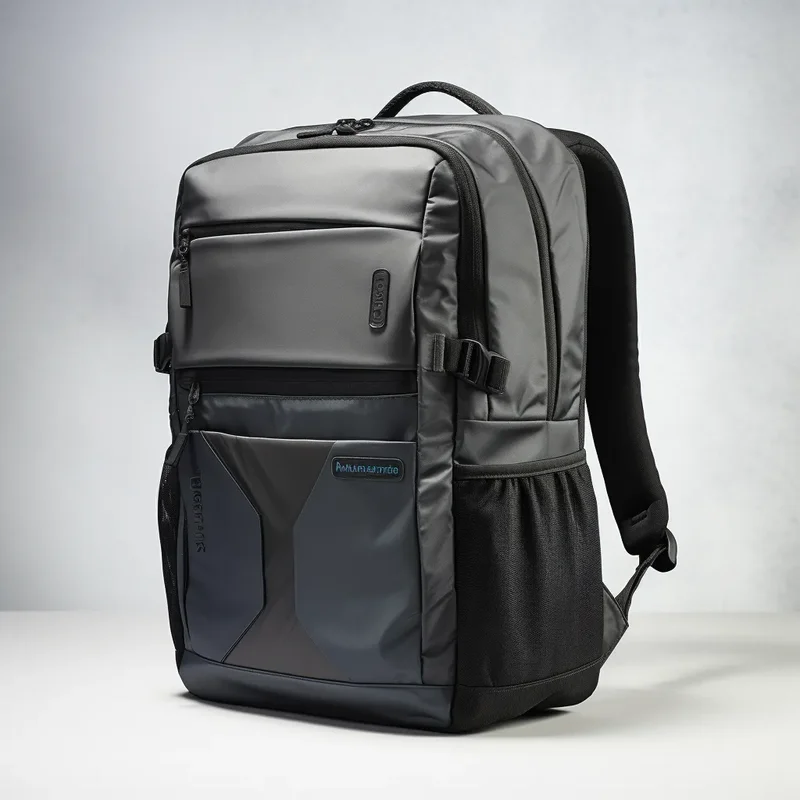
Comfort is perhaps the most underestimated factor in backpack selection. A backpack that feels fine during a ten-minute walk to the train can become painful during a forty-minute commute. The size of your backpack directly affects how weight distributes across your back and shoulders.
15-inch backpacks, being smaller, naturally encourage lighter packing. When you have limited space, you tend to bring only what you need. The smaller frame also means the weight sits closer to your body, which improves balance and reduces strain on your lower back. Most 15-inch backpacks have shoulder straps that are slightly narrower but still well-padded, and the overall weight of the empty pack is usually under two pounds.
17-inch backpacks invite overpacking. The additional space tempts you to fill it, and before you know it, you are carrying fifteen pounds of gear instead of ten. The larger frame spreads weight across a wider area of your back, which can be advantageous if you do carry heavy loads. Quality 17-inch backpacks compensate with wider, more heavily padded shoulder straps, sternum straps for weight stabilization, and padded hip belts that transfer load to your hips. However, these features add weight to the backpack itself, creating a situation where the empty pack weighs more and carries more stuff.
Ergonomic Considerations for Different Body Types
Body type plays a significant role in comfort. Shorter individuals often find 15-inch backpacks more proportionate to their frame. The straps sit correctly on the shoulders without sliding off, and the pack does not extend below the natural waistline. Taller individuals may find a 15-inch backpack looks and feels undersized on their back, while a 17-inch model provides better visual proportion and more comfortable strap positioning.
Airline and Commuter Compatibility
If you fly regularly, backpack size directly impacts your travel experience. Most airlines allow one personal item that must fit under the seat in front of you. The typical under-seat dimensions are approximately 18 by 14 by 8 inches, though this varies by airline and aircraft type.
A compact 15-inch backpack almost always qualifies as a personal item. You can slide it under the seat without difficulty, keeping your laptop and valuables within reach during the flight. This eliminates the overhead bin scramble and means you never have to check your essential gear.
A larger 17-inch backpack often exceeds personal item dimensions. While it typically still qualifies as a carry-on, you may need to place it in the overhead bin. On crowded flights where bin space is limited, this can mean gate-checking your bag, which defeats the purpose of carrying on in the first place. If you frequently fly with just a backpack and no rolling luggage, staying with a 15-inch size ensures you always keep your bag with you.
Daily Use Scenarios: When Each Size Shines
Best Situations for a 15-inch Backpack
- Daily office commute with a laptop, charger, notebook, and lunch
- College student carrying a laptop, textbooks, and writing supplies
- Urban cycling or public transit where compact size matters
- Frequent flyers who need a personal item that fits under airplane seats
- Minimalist carry where you prefer to travel light and organized
- Short business trips where you pack light and need only essentials
Best Situations for a 17-inch Backpack
- Photographers carrying a laptop, camera body, lenses, and accessories
- Professionals who need to transport files, binders, and presentation materials
- Multi-day travel where you need clothes and toiletries alongside tech gear
- Gaming enthusiasts carrying a large gaming laptop with peripherals
- Outdoor commuters who carry extra layers, rain gear, and survival essentials
- Freelancers who work from multiple locations and need a mobile office setup
Build Quality Differences at Different Sizes
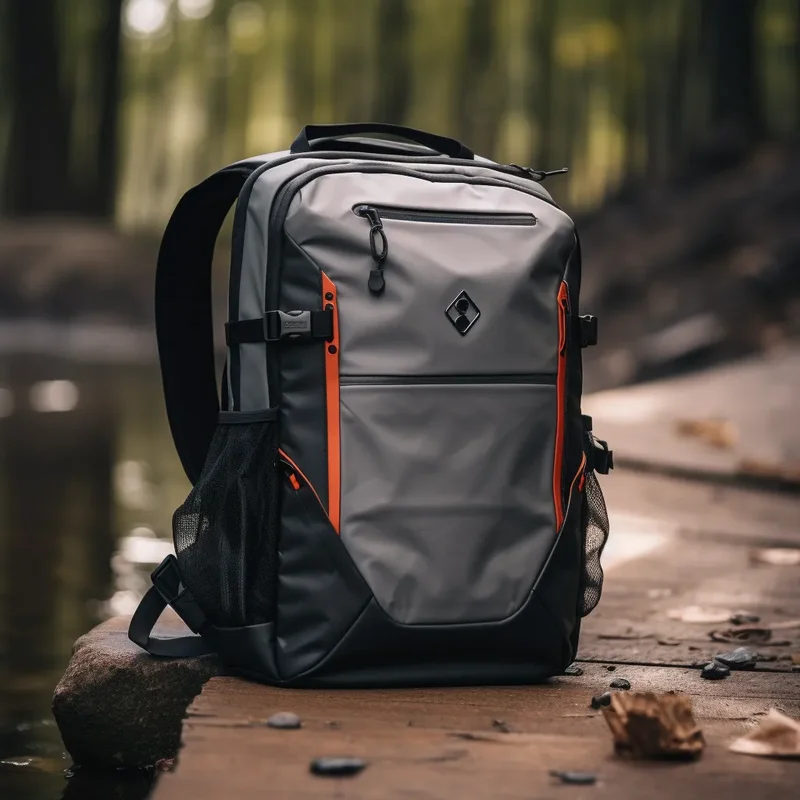
It is worth noting that the relationship between backpack size and build quality is not straightforward. Larger backpacks use more material, but that does not automatically mean they are more durable. What matters more is the quality of materials used: the denier rating of the fabric, the type of zippers, the stitching density, and the quality of padding in the laptop compartment.
Many premium brands offer both 15-inch and 17-inch versions of the same backpack model. In these cases, the construction quality is identical, and your choice should focus entirely on size and capacity. However, if you are comparing across brands, a well-built 15-inch backpack will outlast a poorly constructed 17-inch model every time.
Pay special attention to the laptop compartment padding thickness. A good laptop backpack should have at least 10mm of high-density foam in the laptop sleeve, regardless of whether it is designed for a 15-inch or 17-inch device. The bottom of the laptop compartment deserves extra attention because that is where impacts occur most frequently when you set your backpack down.
Weight Comparison: What You Are Actually Carrying
The weight of the backpack itself matters, especially if you carry it for extended periods. Here is a general comparison:
| Feature | 15-inch Backpack | 17-inch Backpack |
|---|---|---|
| Empty Weight | 1.5 to 2.5 lbs | 2.0 to 3.5 lbs |
| Total Volume | 20 to 28 liters | 28 to 40 liters |
| Typical Loaded Weight | 8 to 12 lbs | 12 to 20 lbs |
| External Height | 17 to 19 inches | 18 to 20 inches |
| External Width | 12 to 14 inches | 13 to 15 inches |
| External Depth | 6 to 8 inches | 7 to 9 inches |
These numbers illustrate why choosing the smaller size when you can genuinely saves your back over months and years of daily use. Every fraction of a pound adds up across thousands of steps.
The Verdict: How to Make Your Decision
The decision between a 15-inch and 17-inch laptop backpack ultimately comes down to three questions. First, what is the actual physical size of your laptop? Measure it and compare to the compartment dimensions, not the marketing label. Second, what else do you need to carry daily? Be honest about your packing habits. If you are a chronic overpacker, the larger size accommodates your tendencies without frustration. Third, how do you commute? If you walk, cycle, or take crowded public transit, the compact advantage of a 15-inch backpack becomes a significant daily benefit.
For most people, the 15-inch laptop backpack is the right choice. It fits more environments, encourages lighter packing, works better as a personal item on flights, and reduces strain on your body during daily commutes. Choose the 17-inch option when you have a genuinely larger laptop, need to carry additional gear regularly, or have specific professional requirements that demand the extra space.
Remember that the best backpack is one that you actually enjoy carrying every day. A backpack that is too large for your needs will feel cumbersome even when half empty. A backpack that is too small will frustrate you every morning when you try to fit everything inside. Finding the right size is the foundation of a great backpack experience.