Table of Contents
- The Evolution of Smart Backpacks
- USB Charging Ports and Power Integration
- GPS Tracking and Anti-Theft Sensors
- Solar Panel Technology
- Bluetooth Speakers and Audio Systems
- LED Lighting Systems
- Power Bank Integration Explained
- Real-World Use Cases
- Smart Backpacks vs. Regular Backpacks
- Frequently Asked Questions

The backpack industry has undergone a radical transformation over the past decade. What was once a simple canvas sack with two shoulder straps has evolved into a sophisticated piece of portable technology. Smart backpacks now represent the intersection of fashion, function, and cutting-edge electronics, offering features that would have seemed like science fiction just fifteen years ago.
But what exactly makes a backpack "smart"? Is it just a marketing buzzword, or do these tech-infused bags genuinely improve your daily carry experience? This comprehensive guide breaks down every major feature found in modern smart backpacks, explains how each technology works, and helps you determine whether the investment makes sense for your lifestyle.
The Evolution of Smart Backpacks
The concept of integrating technology into bags is not entirely new. Military rucksacks have carried radios and navigational equipment for decades. What distinguishes today's intelligent backpack is the consumer-focused approach: sleek designs that hide technology in plain sight, making advanced features accessible to everyday commuters, students, and travelers.
The smart backpack market began gaining traction around 2015, driven by the proliferation of smartphones, portable electronics, and the growing need for on-the-go charging. Early models featured simple USB pass-through ports connected to an internal power bank pocket. Today, the category has expanded to include GPS tracking, solar harvesting, biometric locks, Bluetooth audio, and even built-in Wi-Fi hotspots.
Key Milestone: The global smart backpack market was valued at approximately $2.8 billion in 2023 and is projected to grow at a CAGR of 14.5% through 2030, driven by increasing smartphone penetration and the rise of remote work culture.
The evolution has followed a predictable pattern. First, brands added simple USB ports. Then, they integrated tracking devices. More recently, manufacturers have begun embedding solar cells into the fabric itself, adding modular speaker systems, and developing app-connected ecosystems that let you monitor and control every feature from your phone.
USB Charging Ports and Power Integration
Perhaps the most ubiquitous feature of any tech backpack is the USB charging port. Found on nearly every smart backpack regardless of price point, this feature allows you to charge your phone, tablet, or other USB-powered devices directly from your bag.
How USB Ports Work in Backpacks
The internal mechanism is straightforward but cleverly engineered. A flexible cable runs from a power bank pocket inside the backpack to an external USB port mounted on the bag's exterior. This port typically sits on a side panel or the top of the backpack, easily accessible while you walk.
The power bank pocket is usually a dedicated, padded compartment designed to hold a portable battery pack. Some backpacks include a built-in power bank, while others rely on you placing your own portable charger inside. An internal cable connects the power bank to the external port via a passthrough system.
USB-A vs. USB-C in Smart Backpacks
Modern smart backpacks are increasingly adopting USB-C ports, which offer several advantages over the older USB-A standard:
| Feature | USB-A | USB-C |
|---|---|---|
| Data Transfer Speed | Up to 5 Gbps | Up to 40 Gbps |
| Power Delivery | Up to 12W | Up to 100W |
| Reversible Connector | No | Yes |
| Prevalence in Backpacks | Common in older models | Standard in new models |
| Compatibility | Most existing devices | Newer devices, growing |
Many premium smart backpacks now include both USB-A and USB-C ports, ensuring compatibility with the widest range of devices. Some models even feature fast-charging protocols like Qualcomm Quick Charge or Power Delivery (PD) support, allowing your devices to charge at maximum speed.
GPS Tracking and Anti-Theft Sensors
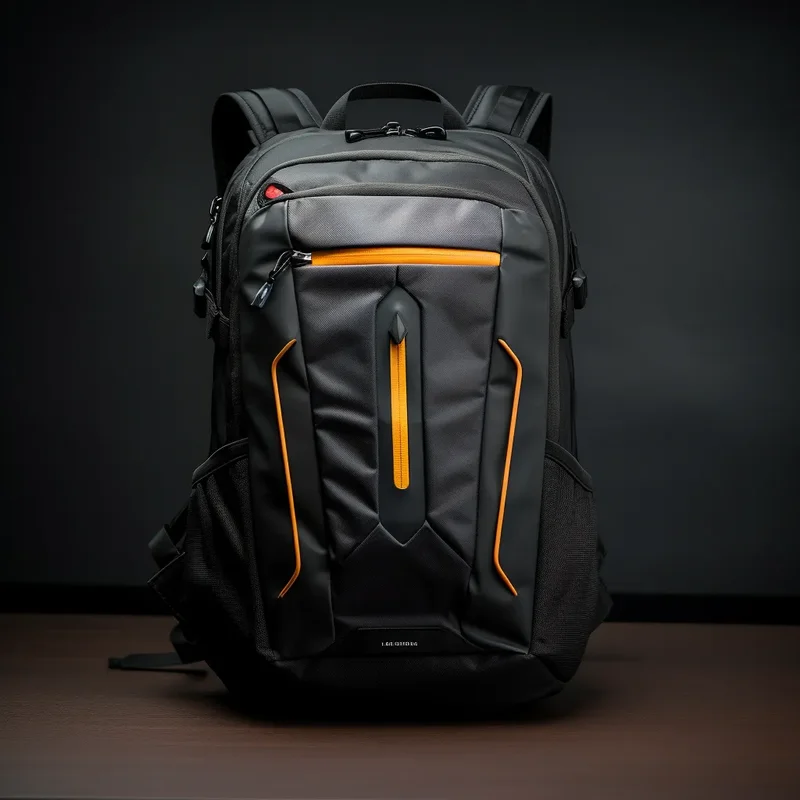
Anti-theft technology represents one of the most compelling reasons to invest in a smart backpack. Unlike a regular bag that disappears into thin air if stolen, a GPS-equipped smart backpack can be tracked, located, and potentially recovered.
How GPS Tracking Works
GPS tracking in backpacks operates through several methods. The most common approach uses Bluetooth Low Energy (BLE) beacons that communicate with your smartphone. When your backpack moves beyond the Bluetooth range (typically 30-100 feet), your phone receives an alert. You can then view the last known location on a map.
More advanced models use dedicated GPS modules with cellular connectivity. These operate independently of your phone and can provide real-time location data from anywhere in the world, as long as the module has a cellular signal and battery power.
Tag Integration vs. Built-In GPS
Many smart backpacks now feature dedicated pockets designed specifically for Apple AirTags or Samsung SmartTags. These pockets are strategically placed to maintain Bluetooth connectivity while remaining hidden from potential thieves. While not technically "built-in GPS," this approach offers excellent tracking capabilities at a lower cost.
Built-in GPS modules, on the other hand, provide true real-time tracking without relying on a nearby smartphone. However, they require their own power source, periodic charging, and potentially a monthly cellular data subscription.
Anti-Theft Sensor Types
- Motion Sensors: Detect when the backpack is being moved without authorization and trigger alarms or notifications
- Zipper Sensors: Alert you when compartments are opened unexpectedly
- Proximity Alerts: Notify your phone when the backpack moves beyond a set distance
- Biometric Locks: Fingerprint-protected zippers that only open for registered users
- Cable Locks: Integrated steel cables that secure the bag to fixed objects
Solar Panel Technology
Solar-powered backpacks represent the intersection of sustainability and technology. These bags feature thin-film solar cells embedded into the exterior fabric, typically on the front panel or shoulder straps where they receive the most sunlight exposure.
How Solar Charging Works in Backpacks
The solar cells convert sunlight into electrical energy, which is routed through internal wiring to charge a connected power bank or directly power devices via USB. The efficiency depends on several factors:
- Panel Size: Larger panels generate more power but add weight
- Cell Efficiency: Modern monocrystalline cells achieve 20-22% efficiency
- Sunlight Conditions: Direct sunlight vs. overcast dramatically affects output
- Angle of Incidence: The optimal angle varies with time of day and season
A typical solar backpack panel generates between 5 and 12 watts under ideal conditions. In practice, this translates to roughly 1-2 hours of smartphone charging per day of outdoor use. While not enough to fully power all your devices, it provides a valuable trickle charge that can extend your battery life significantly during hiking trips, festivals, or long days outdoors.
Realistic Expectation: A 10W solar panel on a backpack, used during 6 hours of good sunlight, might generate approximately 30-40 watt-hours of energy. This is enough to partially charge a smartphone (typically 10-15Wh battery) or provide several hours of power to low-draw devices.
Bluetooth Speakers and Audio Systems
Some premium smart backpacks come with integrated Bluetooth speakers, turning your bag into a portable sound system. These speakers are typically embedded in the shoulder straps or positioned on external panels, designed to direct sound outward without adding bulk.
How Integrated Audio Works
The speakers connect to your phone, tablet, or laptop via standard Bluetooth pairing. Once connected, any audio playing on your device streams through the backpack's speakers. Many models include built-in microphones for hands-free calls and voice assistant access.
Sound quality varies significantly between models. Budget smart backpacks may feature small, tinny speakers suitable only for podcasts at low volume. Premium models invest in better drivers, acoustic chambers, and noise cancellation to deliver genuinely enjoyable audio quality.
Bone Conduction Alternative
Some innovative backpacks use bone conduction technology embedded in the shoulder straps. This transmits sound through the strap material and into your collarbone, delivering audio directly to your inner ear without blocking ambient sound. This approach is particularly popular among cycling commuters who need to remain aware of traffic.
LED Lighting Systems
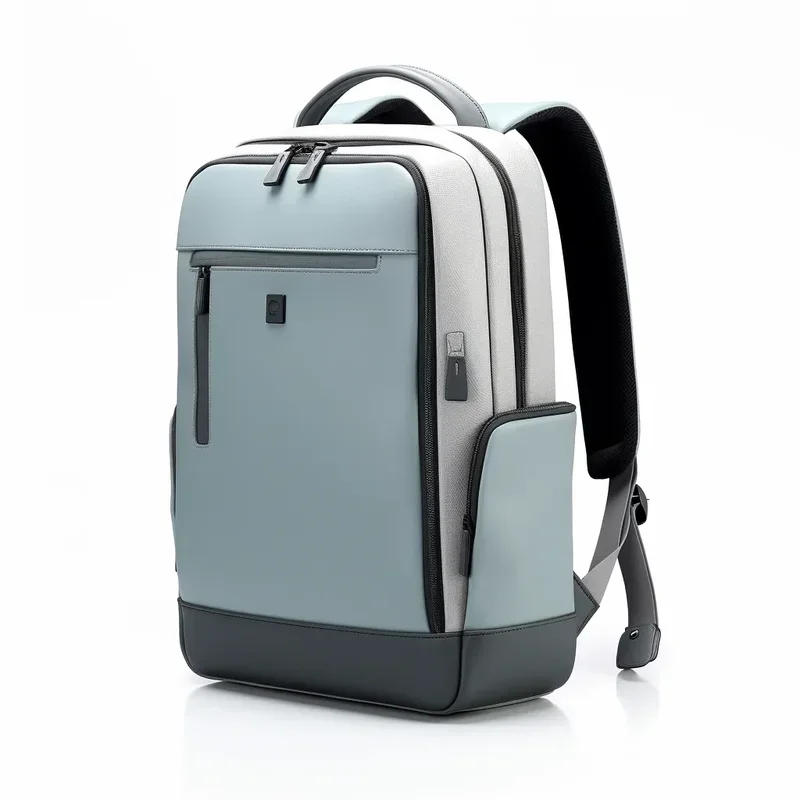
LED lighting systems in smart backpacks serve both practical and safety functions. From simple reflective strips to full-color RGB panels, illumination features make backpacks more visible in low-light conditions and allow for personalization.
Types of LED Integration
- Safety LEDs: Red or white LEDs on the back and sides for visibility during night walks or cycling
- Interior Lighting: LEDs that illuminate the bag's interior, making it easy to find items in dark environments
- Customizable RGB Panels: Full-color LED matrices that can display patterns, text, or animations, controlled via a smartphone app
- Turn Signal Integration: Some cycling-focused backpacks include LED turn signals that sync with bike-mounted controllers
Most LED systems draw power from the same internal power bank used for USB charging. Battery impact varies: safety LEDs consume minimal power and can run for 20+ hours, while customizable RGB panels draw significantly more and may last only 4-6 hours on a single charge.
Power Bank Integration Explained
The power bank is the beating heart of any smart backpack. Understanding how these portable batteries integrate with the bag's systems is crucial for making an informed purchase.
Built-In vs. Removable Power Banks
Smart backpacks use one of two approaches. Built-in power banks are permanently installed within the bag's structure, offering a clean design but limiting flexibility. Removable power banks sit in a dedicated pocket and can be swapped, upgraded, or used independently of the backpack.
Removable designs are generally preferred for several reasons. You can replace the power bank as battery technology advances without buying a new backpack. You can carry a spare for extended trips. And you can use the power bank independently when you leave the backpack behind.
Capacity and Performance
| Power Bank Capacity | Smartphone Charges | Tablet Charges | Weight Added |
|---|---|---|---|
| 5,000 mAh | 1-1.5 charges | 0.3-0.5 charges | ~100g |
| 10,000 mAh | 2-3 charges | 0.7-1 charges | ~200g |
| 15,000 mAh | 3-4 charges | 1-1.5 charges | ~300g |
| 20,000 mAh | 4-6 charges | 1.5-2 charges | ~400g |
Charging the Power Bank
Most smart backpack power banks charge via micro-USB or USB-C input ports located inside the bag. Charging times vary from 2-3 hours for smaller capacity banks to 6-8 hours for larger units. Fast-charging compatible power banks can reduce these times significantly when paired with an appropriate wall charger.
Real-World Use Cases
Smart backpacks are not one-size-fits-all products. Different features serve different lifestyles and professional needs. Here is a look at who benefits most from each category of smart features.
Daily Commuters
For office workers and students navigating public transit, USB charging and GPS tracking offer the most value. Your phone stays charged throughout the day without hunting for outlets, and you never worry about leaving your bag behind thanks to proximity alerts. Anti-theft features provide peace of mind on crowded trains and buses.
Cyclists and Outdoor Enthusiasts
Cyclists benefit enormously from LED turn signals, bone conduction audio, and USB charging for GPS devices and bike computers. Solar panels become genuinely useful during long rides or hiking trips where electrical outlets are unavailable. The combination of safety lighting and charging capability makes these backpacks ideal for adventure activities.
Digital Nomads and Travelers
For remote workers who set up shop in cafes, co-working spaces, and airports, smart backpacks consolidate essential tools. Multiple USB ports keep all devices charged, GPS tracking protects expensive gear in unfamiliar cities, and integrated organization systems keep cables and adapters accessible. Some models even include TSA-friendly laptop compartments that comply with airline regulations.
Photographers and Content Creators
Photographers carrying expensive camera equipment appreciate the combination of padded protection and tech integration. GPS tracking helps locate gear if bags are misplaced during shoots, while USB ports ensure cameras and phones stay charged for continuous shooting. LED interior lighting helps locate small accessories in dim environments.
Smart Backpacks vs. Regular Backpacks
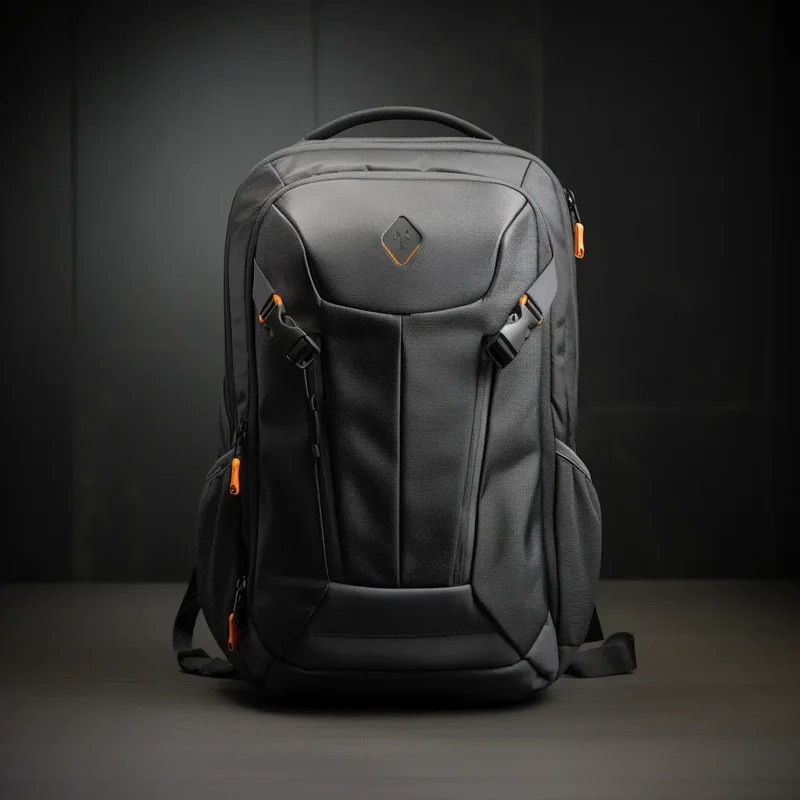
Understanding the trade-offs between smart and regular backpacks is essential before making a purchase decision. Here is an honest assessment of the advantages and disadvantages.
Advantages of Smart Backpacks
- Convenience: Integrated charging eliminates the need to carry separate cables and find outlets
- Security: GPS tracking and anti-theft sensors add layers of protection that regular bags cannot offer
- Safety: LED lighting improves visibility for nighttime commuters and cyclists
- Organization: Tech-focused designs typically include better cable management and device compartments
- Professional Appearance: Many smart backpacks feature sleek, modern designs suitable for business environments
Disadvantages of Smart Backpacks
- Higher Cost: Smart features add $50-$200 to the base price of a comparable regular backpack
- Added Weight: Electronics, wiring, and batteries add 200-500 grams compared to similar-sized regular bags
- Maintenance: Electronic components can fail, require updates, or need battery replacement
- Washing Difficulty: Electronics must be removed before cleaning, and some bags cannot be machine washed at all
- Obsolescence Risk: Technology ages faster than fabric; a smart backpack from 2020 may have outdated ports by 2025
- Airline Restrictions: Built-in batteries may need to be removed for flights, and some airlines restrict battery capacity
Bottom Line: Smart backpacks deliver genuine value for people who carry multiple electronic devices daily and need reliable power and security on the go. If you primarily carry a laptop and phone with occasional charging needs, a regular backpack with a separate power bank might offer better value and flexibility.
Frequently Asked Questions
What exactly is a smart backpack?
A smart backpack is a bag equipped with integrated technology features such as USB charging ports, GPS tracking, solar panels, Bluetooth speakers, LED lighting, or anti-theft sensors. These features are built directly into the backpack's design, allowing users to charge devices, track location, power accessories, and enhance security without carrying separate gadgets.
Are smart backpacks waterproof?
Most smart backpacks offer water-resistant or waterproof materials to protect both the electronic components and your belongings. However, water resistance varies by model. Look for IP ratings or specific waterproofing claims. The USB ports are typically sealed with rubber covers when not in use to prevent water ingress.
How long does a smart backpack battery last?
Battery life depends on the built-in power bank capacity and your usage patterns. Most smart backpacks include removable power banks ranging from 5,000mAh to 20,000mAh. A 10,000mAh power bank can charge a typical smartphone 2-3 times. GPS trackers can last from days to months depending on update frequency and the technology used.
Can you wash a smart backpack with electronics in it?
Most smart backpacks require you to remove all electronic components, including power banks, cables, and any detachable modules, before washing. Always check the manufacturer's care instructions. Some models allow spot cleaning with a damp cloth, while others may be hand-washable once electronics are removed.
Are smart backpacks allowed on airplanes?
Yes, smart backpacks are generally allowed on airplanes. However, the built-in power bank must typically be removed and placed in your carry-on luggage, as airlines have regulations about lithium batteries. GPS devices and other electronics usually comply with standard carry-on rules. Always check with your specific airline for battery capacity restrictions.
What is the price difference between smart and regular backpacks?
Smart backpacks typically cost between $80 and $300 or more, compared to regular backpacks which range from $30 to $150. The price premium covers integrated electronics, specialized wiring, and additional materials for weatherproofing. Entry-level smart backpacks with just USB charging start around $80, while fully-featured models with GPS, solar panels, and speakers can exceed $250.
Do smart backpacks need special maintenance?
Smart backpacks require basic maintenance: regularly check and update firmware if applicable, keep charging ports clean and covered, avoid exposing electronics to extreme temperatures, and store the power bank at around 50% charge if not using the bag for extended periods. The fabric care is similar to regular backpacks once electronics are removed.
Looking for the Perfect Smart Backpack?
Whether you need a tech-integrated backpack for commuting, travel, or outdoor adventures, our team can help you find or develop the ideal solution.
Email: service@junyuanbags.com
WhatsApp: +86 17750020688