Black vs. Gray vs. Navy: Choosing the Most Versatile Backpack Color
The Colour Decision That Gets Overlooked
Most men spend considerable time researching backpack features — capacity, laptop protection, strap comfort, water resistance — and then choose a colour as an afterthought. Black, because it matches everything. Or whatever the default option is. This is a mistake, because colour is the single most visible characteristic of your backpack and the one that determines how it integrates with your wardrobe, your environments, and your personal brand.
Black, gray, and navy represent the three neutral anchors of men's backpack design. They are not accent colours or statement pieces — they are foundations. Each one carries a different set of associations, pairs differently with clothing, ages differently over time, and signals a different attitude. Understanding these differences allows you to make a colour choice that is as intentional as your feature choices.
This guide breaks down every dimension of the black-versus-gray-versus-navy decision, from colour psychology to stain resistance to which colour photographs best in professional settings. By the end, you will know exactly which colour serves your specific needs.
Black
Authority, formality, universality
Gray
Neutrality, modernity, subtlety
Navy
Trust, warmth, sophistication
The Psychology of Each Colour
Colour is not just aesthetic — it is communicative. Before anyone reads your email, notices your shoes, or hears your voice, they have already registered the colour of your backpack. The three neutrals communicate very different things.
Black: Authority and Intentionality
Black communicates authority, formality, and deliberate choice. It is the colour of tuxedos, limousines, and premium technology. In professional settings, a black backpack signals that you take your appearance seriously and that you have made a conscious decision about what to carry. It does not draw attention to itself — it absorbs attention, creating a visual anchor that suggests confidence without demanding it.
Black also carries a slight edge of mystery and seriousness. In creative industries, it signals design literacy. In corporate environments, it signals conservatism and reliability. In tech, it signals focus and minimalism. It is the most context-adaptive colour in the spectrum — the same black backpack reads differently in a law firm, a design studio, and a Silicon Valley campus.
Gray: Neutrality and Modernity
Gray occupies a unique psychological position. It is the absence of chromatic commitment — neither warm nor cool, neither bold nor shy. This neutrality makes gray the most "invisible" backpack colour, the one that draws the least attention to itself. In environments where you want your bag to disappear into the background, gray achieves that goal most effectively.
Charcoal gray leans toward the authority of black while retaining a modern, slightly softer character. Medium gray reads as approachable and balanced. Light gray projects creativity and openness. The specific shade of gray matters enormously — charcoal and light gray are almost different colours in terms of the signal they send.
Navy: Trust and Sophistication
Navy occupies the space between black's formality and blue's approachability. It is a colour historically associated with authority — naval uniforms, corporate dress codes, and classic menswear have used navy for centuries as a signal of trustworthiness and competence. A navy backpack carries some of this heritage, projecting reliability and warmth without sacrificing professionalism.
Navy also has a warmth that black and cool gray lack. It interacts with light in a way that reveals depth and subtle variation, making it look richer and more dimensional in photographs and in person. This is why many premium brands reserve navy for their higher-tier products — the colour has a depth that makes even simple designs feel considered and expensive.
Wardrobe Compatibility Matrix
The most practical dimension of colour choice is how the bag pairs with your existing wardrobe. Here is a detailed breakdown.
Black Backpack Compatibility
Black pairs with literally every colour in the wardrobe spectrum. It works with the full range of neutrals — white, gray, navy, brown, tan — and with every accent colour from red to green to purple. It transitions seamlessly between casual and formal wear. It works in summer and winter, indoors and outdoors.
The one context where black can create friction is with brown leather accessories. A black backpack with brown shoes and a brown belt is technically fine, but it requires the brown to be clearly intentional — dark brown works better than light brown, and matte finishes work better than glossy ones. If your accessory game is not refined, the contrast between black and brown can look accidental rather than deliberate.
Gray Backpack Compatibility
Gray is the most forgiving backpack colour in terms of wardrobe pairing. It works with every neutral, every casual fabric, and most accent colours. The only friction point is with other gray garments — a charcoal backpack with a charcoal shirt can look monotonous rather than coordinated, and a light gray backpack with a light gray suit can wash out the overall impression.
Gray works particularly well with denim, white shirts, olive jackets, and navy outerwear. It is the ideal backpack colour for men whose wardrobes span a wide range of colours and formality levels and who want one bag that transitions without thought.
Navy Backpack Compatibility
Navy pairs beautifully with white, light blue, gray, khaki, olive, and burgundy. It creates a particularly elegant look when paired with navy or gray suiting — the tonal coordination suggests intentionality and style awareness. It works with denim at every wash, and it complements leather accessories in both brown and black.
The one limitation of navy is with very dark outfits. A navy backpack with a near-black outfit can look like a colour mistake — the viewer may wonder whether you intended the navy or whether the bag is simply a faded black. This is a minor issue that can be avoided by ensuring there is some visible contrast between the bag and the outfit.
Wardrobe Compatibility Comparison
| Wardrobe Element | Black Bag | Gray Bag | Navy Bag |
|---|---|---|---|
| White shirt | Excellent | Excellent | Excellent |
| Black suit | Perfect match | Good contrast | Slight tone conflict |
| Navy suit | Good contrast | Good contrast | Tonal harmony |
| Gray suit | Good contrast | Watch the shade | Excellent pairing |
| Denim (dark) | Excellent | Excellent | Excellent |
| Denim (light) | Good contrast | Good | Excellent |
| Khaki / Chinos | Good | Good | Excellent |
| Olive / Military | Good | Excellent | Good |
| Brown leather | Use dark brown | Excellent | Excellent |
| Black leather | Perfect | Excellent | Good |
Stain Visibility and Maintenance
Backpacks get dirty. How they look when dirty — and how easy they are to clean — varies significantly by colour.
Black: The Stain Paradox
Black is simultaneously the best and worst colour for stain visibility. It excels at concealing dark stains — mud, oil, ink, coffee — because the dark colour absorbs the mark rather than contrasting with it. However, black shows light-coloured marks prominently. Dust, dried sweat, chalk residue, and water spots with mineral content all create visible light marks on black fabric.
Maintenance for black backpacks is straightforward: a damp cloth with mild soap removes most marks in one pass. The key is regular maintenance — wiping the bag down weekly prevents the accumulation of dust and sweat marks that become embedded in the fabric over time. A well-maintained black backpack looks immaculate; a neglected one looks streaky and worn.
Gray: The Forgiving Option
Medium to charcoal gray is the most forgiving backpack colour for stain visibility. It is dark enough to conceal most marks but light enough that light-coloured dust and water spots do not contrast sharply. It is the colour that looks cleanest for the longest period between cleanings, which makes it ideal for commuters who expose their bag to urban grime daily without time for regular maintenance.
Light gray, by contrast, shows stains almost as prominently as white. It is a beautiful colour when new but requires commitment to cleaning to maintain its appearance. If you choose light gray, invest in a fabric protector spray at the time of purchase.
Navy: Between Black and Gray
Navy performs similarly to black in stain concealment but with a slight advantage — its subtle blue undertone means that light marks appear slightly less prominent than on pure black. Navy also conceals water spots particularly well, because the blue tone blends with the mineral residue that creates most water marks. Maintenance is comparable to black: regular wiping with a damp cloth keeps navy looking fresh.
Fading and Long-Term Appearance
Every backpack fades over time. The question is not whether it will fade but how gracefully it fades — and that depends on both the colour and the dyeing method.
UV Fading by Colour
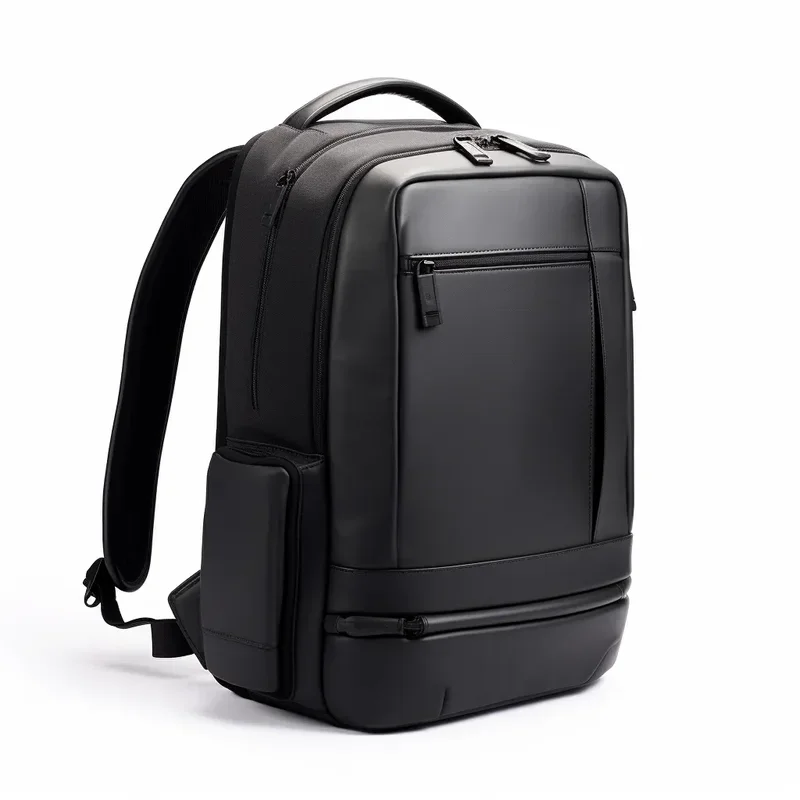
Black shows UV fading most dramatically. Over months of daily sun exposure, black fabric shifts from deep black to a brownish-black that is visibly different from the original colour. This shift is most noticeable on raised areas like shoulder straps and top handles that receive the most direct sunlight.
Navy fades from deep blue to a lighter, slightly grayish blue. The shift is less dramatic than black because the original colour has more chromatic range — the faded navy still reads as blue, just a softer, more muted blue. Many people find this fade pattern attractive, as it gives the bag a broken-in character.
Gray fades the least dramatically of the three colours. Charcoal gray may lighten slightly with UV exposure, but the shift is often imperceptible. Medium and light grays show virtually no visible fading. For users who want a bag that looks the same in year three as it did on day one, gray is the clear winner.
The Dye Method Matters More Than the Colour
Regardless of which colour you choose, the dyeing method determines fade resistance more than the colour itself. Solution-dyed nylon and polyester embed pigment into the fibre during manufacturing, making the colour virtually immune to UV degradation. These fabrics cost more than surface-dyed alternatives, but they maintain their original colour for years regardless of sun exposure.
Surface-dyed fabrics, which are more common in budget backpacks, lose colour gradually with UV exposure and washing. The fade rate depends on the specific dye chemistry, but as a general rule, darker surface-dyed colours fade faster than lighter ones because more pigment needs to be lost before the change becomes visible.
Skin Tone and Personal Colouring
While backpack colour is less intimate than shirt colour or tie colour, it still interacts with your personal colouring. The bag sits near your face when worn, and its colour creates a subtle frame for your overall appearance.
Cool Undertones
Men with cool skin undertones — those who look best in silver jewellery, blue-based reds, and navy — typically find that black and navy backpacks enhance their natural colouring. Cool gray also works well. The shared cool undertone between the bag and the skin creates visual harmony.
Warm Undertones
Men with warm skin undertones — those who look best in gold jewellery, earth tones, and olive greens — may find that pure black creates too harsh a contrast against their skin. Charcoal gray and navy are better choices, as they are dark enough to project authority without the starkness of pure black. If you have warm undertones and prefer black, look for bags with subtle warm undertones in the fabric — some black nylons have a slightly brownish cast that softens the effect.
Neutral Undertones
Men with neutral undertones can wear any of the three colours without issue. This is the most versatile personal colouring for backpack selection, and it allows you to choose based purely on wardrobe compatibility and aesthetic preference rather than personal colouring considerations.
Popularity Statistics
Understanding market trends helps contextualise your choice. Here is what sales data reveals about men's backpack colour preferences.
The Market Split
Across major backpack retailers and brand direct-to-consumer channels, black dominates the men's backpack market at approximately 55 to 60 percent of all units sold. Gray holds a steady 20 to 25 percent, and navy accounts for 10 to 15 percent. The remaining 5 to 10 percent is divided among olive, tan, brown, and other non-neutral colours.
Why Black Dominates
Black's dominance reflects several factors. It is the default option — most brands offer black in every product and every other colour as an option. It is the safest choice for gift purchases. And it is the colour most recommended by menswear advisors because of its universal compatibility. Black is the "safe bet" that most men default to when they do not want to spend mental energy on the decision.
The Growing Case for Alternatives
While black remains dominant, the share of non-black colours has been growing steadily. Navy in particular has gained ground as men's fashion has embraced a broader colour palette. The rise of work-from-home and hybrid work has also shifted preferences — without the daily requirement of formal dress codes, men feel more freedom to choose colours that express personality rather than authority.
Industry-Specific Patterns
Colour preferences vary significantly by industry. In law and finance, black accounts for over 75 percent of backpack choices. In technology and design, the split is more even — approximately 40 percent black, 30 percent gray, 15 percent navy, and 15 percent other colours. In creative industries, non-neutral colours gain the most ground, with olive and tan appearing regularly.
The Verdict
There is no objectively correct answer, but there are clear frameworks for making the right choice for your specific situation.
Choose Black If:
- You want maximum versatility with zero thought — black never clashes
- You work in a formal professional environment
- You prefer your bag to be as invisible as possible
- You have a mixed wardrobe that spans multiple formality levels
- You want the safest option for a gift or first premium backpack
Choose Gray If:
- You want the lowest maintenance colour — gray hides everything and fades least
- You want a modern, understated look that differs from the default
- Your wardrobe includes a lot of gray, olive, and denim
- You want a bag that looks clean for longer between cleanings
- You prefer subtlety and want your bag to recede into the background
Choose Navy If:
- You want authority without the starkness of black
- Your wardrobe includes navy, gray, khaki, and denim
- You want a colour that photographs well and has visual depth
- You want something slightly different from the default without being conspicuous
- You value warmth and character in your accessories
The best backpack colour is the one you never think about — because it works with everything you own, in every context you enter, without requiring a single conscious decision.
Colour in Context: Season and Setting
Beyond wardrobe matching, the context in which you carry your backpack affects which colour works best. Season, lighting, and professional environment all play a role.
Seasonal Considerations
In winter, when most men wear dark outerwear — black overcoats, navy wool jackets, charcoal wool layers — a black or navy backpack blends seamlessly into the seasonal palette. The bag disappears into the winter wardrobe rather than standing apart from it. This is why black remains the most popular colour in northern European markets with long winters.
In summer, the calculation shifts. Lighter clothing — white linen, khaki shorts, light blue shirts — creates a brighter overall palette. A light gray backpack complements this palette better than black, which can look overly heavy and formal against summer fabrics. Navy works year-round but appears slightly more deliberate in summer, as if you have chosen it to coordinate rather than simply defaulting to it.
Spring and autumn are transitional seasons where all three colours work well. The key is matching the bag to your outerwear, which is the most visible layer during these seasons. A beige trench coat pairs better with navy than with black. A dark green field jacket works with charcoal gray and black equally well. The bag colour should be chosen in the context of your most frequently worn outer layer.
Lighting and Photography
In the age of remote work and virtual meetings, your backpack may be photographed more often than you expect. Colour rendering under different lighting conditions varies significantly between these three shades.
Black backpacks photograph well under controlled lighting but can lose all detail under harsh overhead fluorescents, appearing as a featureless dark shape. Under warm tungsten lighting, black can develop a brownish cast that looks unflattering in photographs. Navy photographs beautifully under warm lighting because the blue undertone catches the light in a way that creates visual depth. Gray is the most consistent photographic performer — it renders accurately under virtually every lighting condition, from cool daylight to warm interior light.
If your backpack appears in video calls, social media content, or professional photographs, navy and gray tend to photograph more consistently than black. This is a minor consideration for most users, but for those whose professional image depends on visual presentation, it is worth factoring into the decision.
Urban Versus Suburban Environments
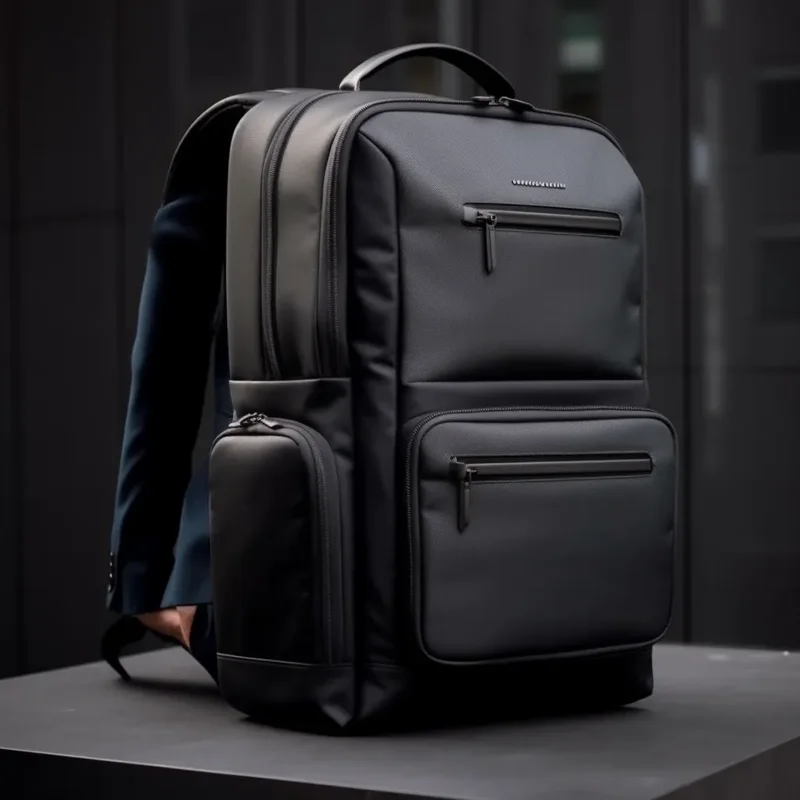
The environment where you carry your bag daily also influences colour choice. In dense urban settings — London, Manchester, Edinburgh — black dominates the backpack landscape. A black bag blends into the urban palette of concrete, glass, and dark clothing. It is the default city colour and the one that attracts the least attention.
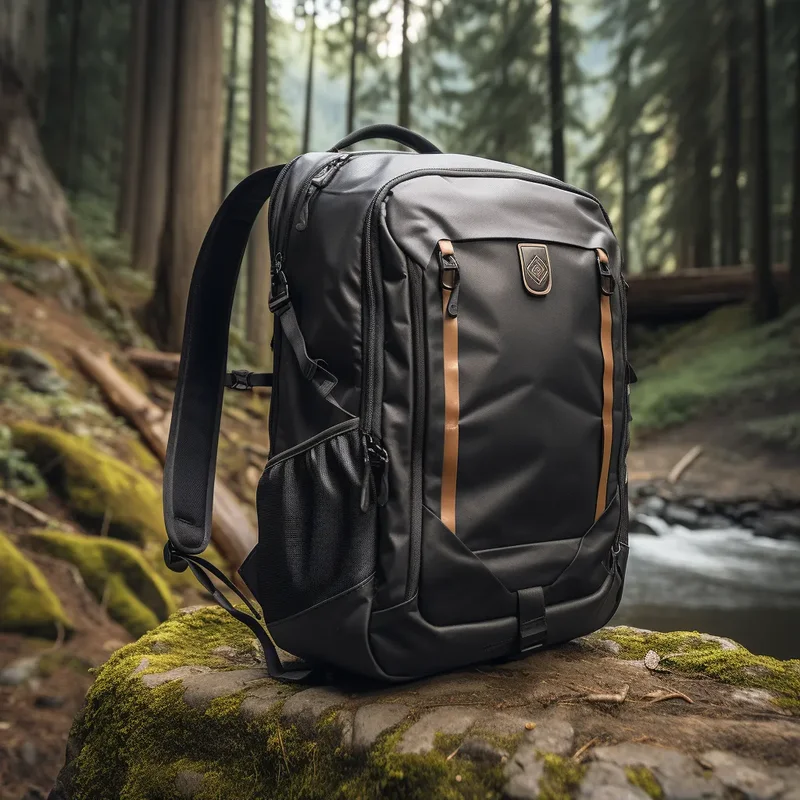
In suburban or semi-rural settings, gray and navy both blend more naturally with the landscape. A gray bag complements the softer light and muted earth tones of suburban environments. A navy bag echoes the sky and works well in coastal or northern settings. Black, by contrast, can look slightly severe against a green or brown background, though this effect is subtle enough that most people will never notice it.
Frequently Asked Questions
Which is the most versatile backpack colour for men?
Black is the most versatile backpack colour for men, pairing seamlessly with every wardrobe colour, every formality level, and every season. Gray and navy are close competitors that offer slightly more personality while maintaining broad compatibility.
Does a black backpack show dirt and stains?
Black backpacks are excellent at concealing dark stains but show light-coloured marks — dust, dried sweat, white residue — more readily than lighter colours. Regular wiping with a damp cloth maintains their appearance.
Which backpack colour fades the least over time?
Gray fades the least dramatically. Charcoal may lighten slightly, and medium grays show virtually no visible fading. For maximum fade resistance regardless of colour, look for solution-dyed nylon or polyester.
What colour backpack is most professional?
Black is universally regarded as the most professional backpack colour. Navy is a close second, offering a slightly softer professional impression. Gray can appear less formal in conservative corporate environments.
Is navy a good backpack colour for men?
Navy is an excellent backpack colour that pairs with most professional and casual wardrobes. It complements suits, chinos, jeans, and sportswear, adding subtle warmth that pure black cannot achieve.
What is the most popular backpack colour for men?
Black accounts for approximately 55-60% of men's backpack sales. Gray holds 20-25%, navy 10-15%, with remaining colours sharing the final 5-10%.
Need Backpacks in Every Colour?
Junyuan Bags offers full colour customisation across our entire product range. From solution-dyed nylon in black, gray, and navy to custom Pantone matching for your brand's signature colour — we deliver consistent, fade-resistant colour on every production run.
Email: service@junyuanbags.com
WhatsApp: +86 17750020688
Request colour swatches and fabric samples to find the perfect shade for your collection.